
Volvo Rolloff Trucks For Sale in Kansas
Browse Volvo rolloff trucks for sale, including VHD configurations with hoists, PTO setups, tandem axles, and refuse-ready specs.
Learn more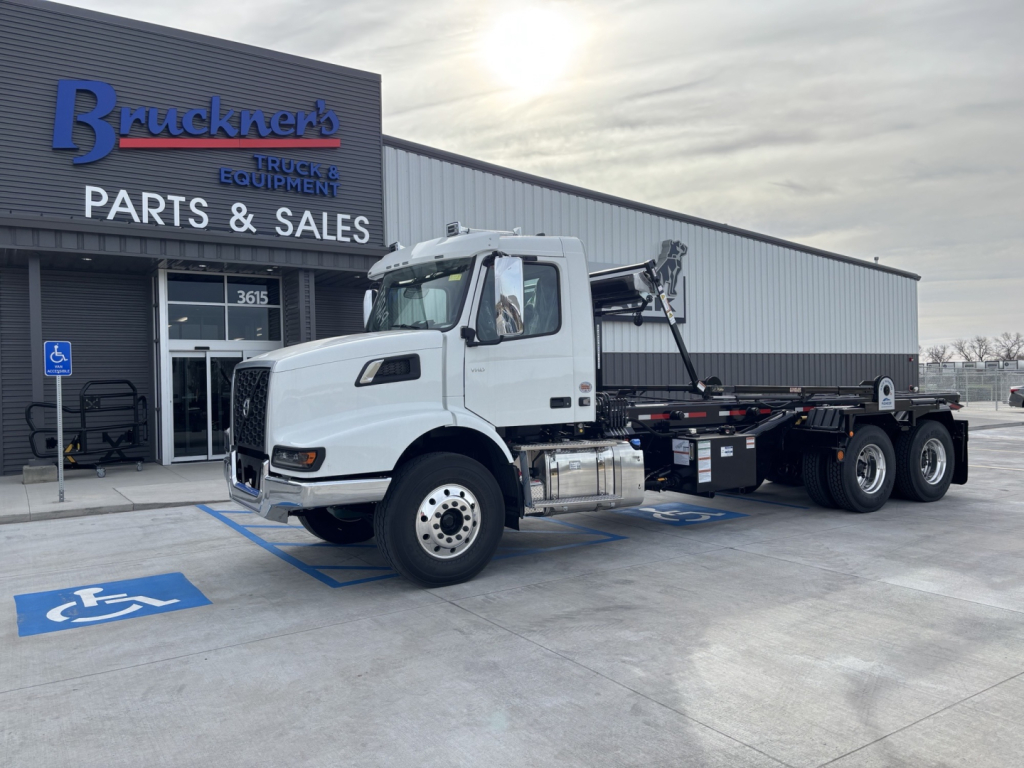
Have volvo rolloff truck to sell? List it here to reach thousands of buyers.
About Volvo Rolloff Trucks in Kansas
A typical Volvo rolloff spec starts with a tandem-axle chassis and a diesel engine in the vocational horsepower range, often paired with an automatic transmission for easier operation on urban routes and job sites. Buyers comparing listings should pay close attention to front axle capacity, rear axle capacity, rear suspension type, wheelbase, rear ratio, and gross vehicle weight rating. Those numbers affect legal payload, bridge compliance, turning radius, body fit, and stability when loading or dumping containers. Hoist brand and rating are just as important. A 50,000 lb to 60,000 lb class hoist is common for full-size cans, and features like a hot-shift PTO, tarp system, and differential locks can make a real difference in productivity and driver confidence.
Volvo rolloff trucks are often selected for fleets that want a more driver-friendly vocational cab without giving up heavy-duty capability. The cab layout, steering feel, and visibility can matter on tight Kansas routes, transfer stations, alleys, and construction sites where frequent backing and precise placement are part of the job. If the truck will spend time both on pavement and unimproved surfaces, look closely at suspension spec, axle spread, traction equipment, and tire setup. Frame strength and body installer work also deserve attention because rolloff duty puts repeated stress on the rails, hoist mounts, and rear structure.
For buyers sorting through multiple Volvo rolloff trucks for sale, the best comparison is not just year and mileage. It is how well the truck's wheelbase, axle package, engine, transmission, and hoist rating match your container inventory and route profile. A shorter wheelbase can improve maneuverability, while a longer setup may be needed for certain hoists or can lengths. If your operation handles dense loads like concrete, roofing tear-off, or scrap, heavier axle ratings and the right legal payload setup are more important than headline horsepower alone. A well-matched Volvo rolloff truck can deliver strong cycle times, predictable maintenance, and better jobsite performance over the long haul.
Frequently Asked Questions
What should I look for first when buying a Volvo rolloff truck?
Start with the hoist rating, wheelbase, axle capacities, and gross vehicle weight rating. Those four items determine what container sizes the truck can handle, how much material it can legally haul, and how stable it will be during loading and dumping. After that, review the engine, transmission, PTO setup, suspension, and any vocational options like tarpers, diff locks, and body controls. The best truck on paper is the one that matches your can inventory and daily load profile.
Are Volvo VHD trucks a good fit for rolloff applications?
Yes. Volvo VHD chassis are widely used in vocational service because they are designed for demanding jobs that involve repeated stops, jobsite access, and heavy body installations. In rolloff service, buyers often value the VHD for cab visibility, frame strength, and drivetrain options that support automatic transmissions and PTO-driven hydraulic systems. The key is making sure the chassis was spec'd correctly for the hoist and the type of debris or material being hauled.
How much hoist capacity do I need on a rolloff truck?
That depends on the size of the containers you run and the density of the material inside them. Many full-size rolloff trucks use hoists in the 50,000 lb to 60,000 lb range, but capacity alone is not the whole story. The truck's axle ratings, wheelbase, frame reinforcement, and hydraulic setup all need to support that hoist and the intended load. Dense commodities like scrap, concrete, and roofing debris can push a truck to its legal or practical limit before the container is physically full.
Is an automatic transmission a good choice for a rolloff truck?
For many fleets, yes. Automatic transmissions are common in rolloff work because they reduce driver fatigue in stop-and-go routes, help with consistent operation, and can improve ease of use for drivers working in tight urban or jobsite environments. They are especially useful where frequent starts, backing, and precise truck positioning are part of the daily cycle. The transmission still needs to be matched to the engine torque, PTO requirements, and duty cycle of the truck.
What specs matter most for rolloff work in Kansas?
In Kansas, buyers often balance highway travel with local route work, landfill access, and construction-site conditions. That makes axle ratings, suspension type, rear ratio, traction features, and wheelbase especially important. A truck that spends more time on paved municipal or commercial routes may prioritize maneuverability and driver comfort, while one serving demolition or rural job sites may need stronger off-pavement traction and heavier-duty suspension. Local bridge laws, haul distances, and material type should guide the final spec.