
Rolloff Trucks For Sale in Kansas
Browse rolloff trucks for sale in Kansas. Compare hoist capacity, axle ratings, wheelbase, PTO setup, and specs for waste and scrap work.
Learn moreBrowse Rolloff Trucks by Make
Have rolloff truck to sell? List it here to reach thousands of buyers.
About Rolloff Trucks in Kansas
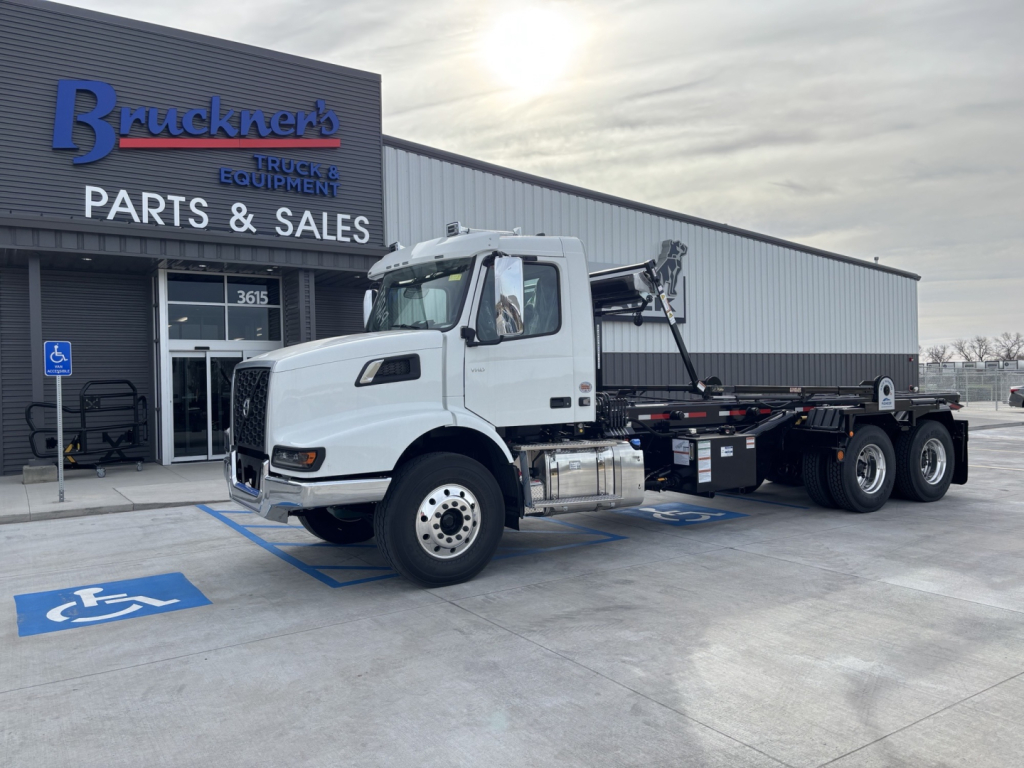
A typical rolloff spec in this category includes a heavy vocational chassis, 20,000-lb front axle class, 40,000 to 46,000-lb rear tandem, and GVWRs that support legal container hauling with debris, scrap, or mixed waste. Buyers should look closely at wheelbase because it affects box compatibility, bridge law compliance, and turning radius. Hoist capacities around 50,000 to 60,000 lbs are common for full-size containers, and details like hot-shift PTOs, tarpers, differential locks, and suspension type matter in daily operation. Allison automatics are popular in rolloff applications because they simplify backing, spotting containers, and low-speed maneuvering in tight alleys, landfills, and construction sites.
Kansas operators often need a rolloff truck that can move between highway miles and rough jobsite access, so drivetrain and chassis durability matter as much as payload. Rear ratio, horsepower, and torque should match the terrain, loaded container weight, and route profile. A vocational engine in the 350 to 450 HP range is common, but the more important measure is low-end torque and how well the transmission and hydraulic system are matched to the hoist. If the truck will see farm cleanups, demolition debris, or scrap service outside metro areas, pay attention to frame strength, locking crossmember design, and how the suspension handles uneven ground and repeated loading cycles.
The best rolloff truck spec depends on the containers already in service and the material being hauled. Box length range, hook or cable setup, inside rail width, and hoist geometry should match your fleet standard to avoid compatibility problems. Buyers should also consider cab style, visibility, service access, and local support for the engine, transmission, and hydraulics package. On a rolloff truck, uptime comes from the complete system working together: chassis, hoist, PTO, hydraulics, tarp system, and container fit. A well-matched rolloff truck can deliver strong cycle times, safer container handling, and lower operating cost over the life of the unit.
Frequently Asked Questions
What is the difference between a cable hoist and a hooklift on a rolloff truck?
A traditional rolloff truck usually uses a cable hoist to pull containers onto rails and tilt them off at the job site. A hooklift uses a hydraulic hook arm and is generally faster when handling compatible bodies, but it requires hooklift-specific containers. For buyers shopping the rolloff category, cable hoists remain common in waste and scrap applications because of broad container compatibility and proven performance in heavy debris service.
What hoist capacity is common on a tandem-axle rolloff truck?
Many tandem-axle rolloff trucks are equipped with hoists rated in the 50,000 to 60,000-lb range. The correct rating depends on container size, material density, and the chassis axle package. Hoist rating should never be viewed by itself, because front axle capacity, rear axle capacity, frame strength, wheelbase, and legal gross weight all affect real-world performance and compliance.
Why does wheelbase matter on a rolloff truck?
Wheelbase affects container fit, weight distribution, turning radius, and bridge law spacing. A longer wheelbase can help with certain box sizes and axle loading, but it may be less maneuverable in alleys, transfer stations, and tight commercial accounts. A shorter wheelbase can improve access, but it still has to match the hoist geometry and container lengths your operation uses.
Are automatic transmissions a good choice for rolloff trucks?
Automatic transmissions are widely used in rolloff service because they improve low-speed control, reduce driver fatigue, and make repeated backing and spotting easier. In stop-and-go waste and scrap work, an Allison automatic is a common vocational choice. The main consideration is making sure the transmission, PTO provision, and hydraulic package are properly matched for hoist operation and duty cycle.
What should a Kansas buyer look for in a used rolloff truck?
A Kansas buyer should inspect the hoist rails, cable or lifting components, hydraulic cylinders, PTO operation, frame condition, suspension wear, and axle ratings first. It is also important to confirm container compatibility, tarp operation, and any signs of frame cracking or hard off-road use. Service history on the engine, transmission, hydraulics, and vocational equipment is especially valuable because rolloff uptime depends on both the truck chassis and the hoist system.