
Rolloff Trucks For Sale in Alaska
Shop rolloff trucks for waste, scrap, and demolition hauling. Compare hoist capacity, axle ratings, wheelbase, and driveline specs.
Learn moreBrowse Rolloff Trucks by Make
Have rolloff truck to sell? List it here to reach thousands of buyers.
About Rolloff Trucks in Alaska
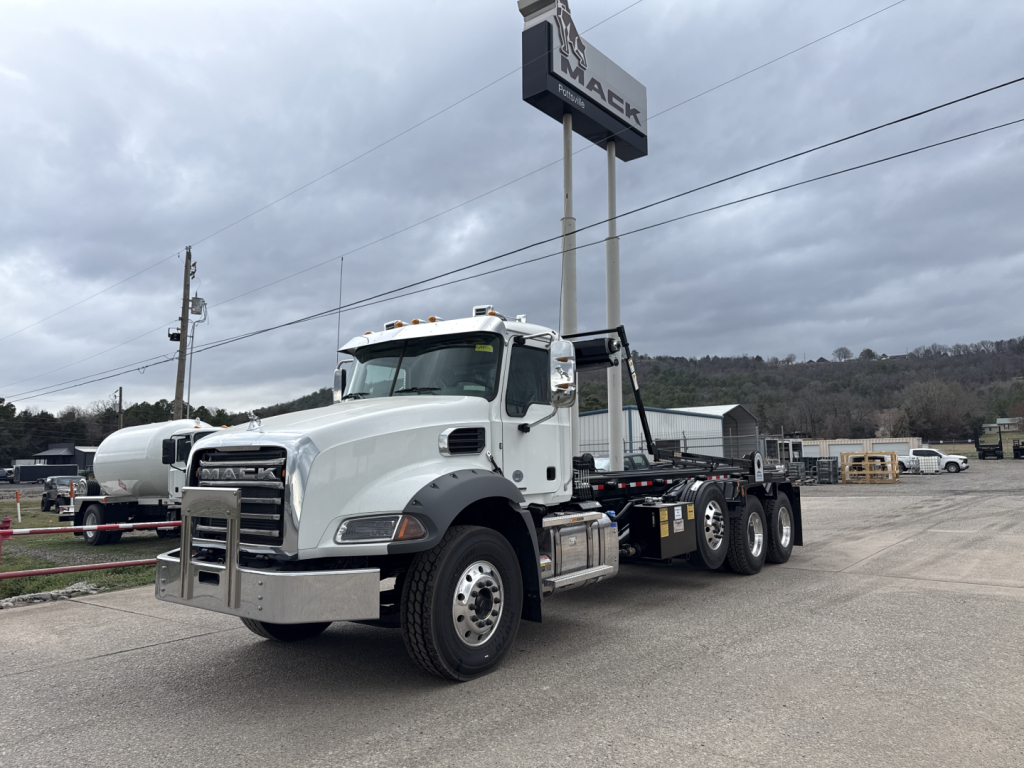
A typical rolloff truck uses a cable hoist or hooklift-style system, though cable rolloffs remain common for waste and debris applications. Key chassis specs include GVWR, front and rear axle ratings, frame strength, suspension type, rear ratio, and transmission choice. Heavy-duty setups often run tandem or tri-axle configurations with high-capacity rear suspensions, deep reduction gearing, and automatic transmissions that help with stop-and-go routes and tight jobsite maneuvering. Wheelbase matters more than many first-time buyers expect because it affects container compatibility, bridge law compliance, turning radius, and weight distribution when a can is loaded hard at the tail.
Application should drive the spec. A truck handling construction debris and demolition material may need more hoist capacity and stronger rear suspension than one cycling lighter municipal waste containers. Scrap operations often care about durability under concentrated loads, while contractors may prioritize shorter overall length and better access into confined sites. In Alaska, cold-weather starting, corrosion exposure, traction, and uptime support should be part of the evaluation. Buyers often look closely at engine horsepower and torque, transmission calibration, PTO setup, hydraulic performance, and tire selection because a rolloff that works well in urban transfer routes may not be ideal for remote service areas or rough approach roads.
When comparing rolloff trucks for sale, pay attention to the complete package instead of the model badge alone. The useful differences are often in hoist brand and rating, inside rail length, cable capacity, tarp system, axle spread, frame reinforcement, and how the truck is set up for the container inventory already in service. A properly matched rolloff truck improves cycle times, keeps legal payload where it belongs, and reduces stress on the hoist, rails, and chassis over the long term.
Frequently Asked Questions
What should I look at first when buying a rolloff truck?
Start with the container sizes and material types the truck will handle. Hoist rating, inside rail length, axle capacity, wheelbase, and GVWR need to match the cans in your fleet and the loads you expect to haul. If the truck will run demolition debris, scrap, or dense construction waste, rear suspension strength, frame spec, and weight distribution matter just as much as engine horsepower.
What is the difference between a cable rolloff truck and a hooklift?
A cable rolloff truck pulls containers onto rails using a cable hoist, and it is a common choice for waste and debris hauling with standardized roll-off cans. A hooklift uses a hydraulic lifting arm with a hook bar and is often favored for versatility because it can handle bodies, bins, and specialized attachments built for hooklift interchange. For a dedicated waste container operation, many fleets still prefer cable rolloffs for simplicity and compatibility.
How important is wheelbase on a rolloff truck?
Wheelbase is a major buying decision because it affects turning radius, axle loading, bridge compliance, and the container lengths the truck can safely handle. Too short a wheelbase can create unfavorable weight transfer with a loaded can, while too long a wheelbase can reduce maneuverability on jobsites and in urban service areas. The right spec depends on the hoist, container range, and local operating conditions.
Are tri-axle rolloff trucks better than tandem axle trucks?
A tri-axle rolloff truck can offer higher legal payload potential and better load distribution, which is useful for dense materials and routes where axle law is a limiting factor. The tradeoff is added weight, more tire and maintenance expense, and sometimes reduced maneuverability. Tandem axle trucks remain a strong fit for many container applications, especially where route density, site access, and lower operating cost are priorities.
What matters most for a rolloff truck operating in Alaska?
Cold-weather reliability, traction, corrosion resistance, and serviceability deserve extra attention in Alaska. Buyers should evaluate starting performance, battery and charging capacity, hydraulic operation in low temperatures, tire specification, and how the chassis handles rough surfaces and seasonal road conditions. A robust suspension, appropriate gearing, and a durable frame setup can make a significant difference in uptime and operating life.