
Refuse Side Loader Trucks For Sale in Oklahoma
Browse refuse side loader trucks for sale in Oklahoma. Compare body sizes, arm types, chassis specs, axle ratings, and route-ready options.
Learn moreBrowse Refuse Side Loader Trucks by Make
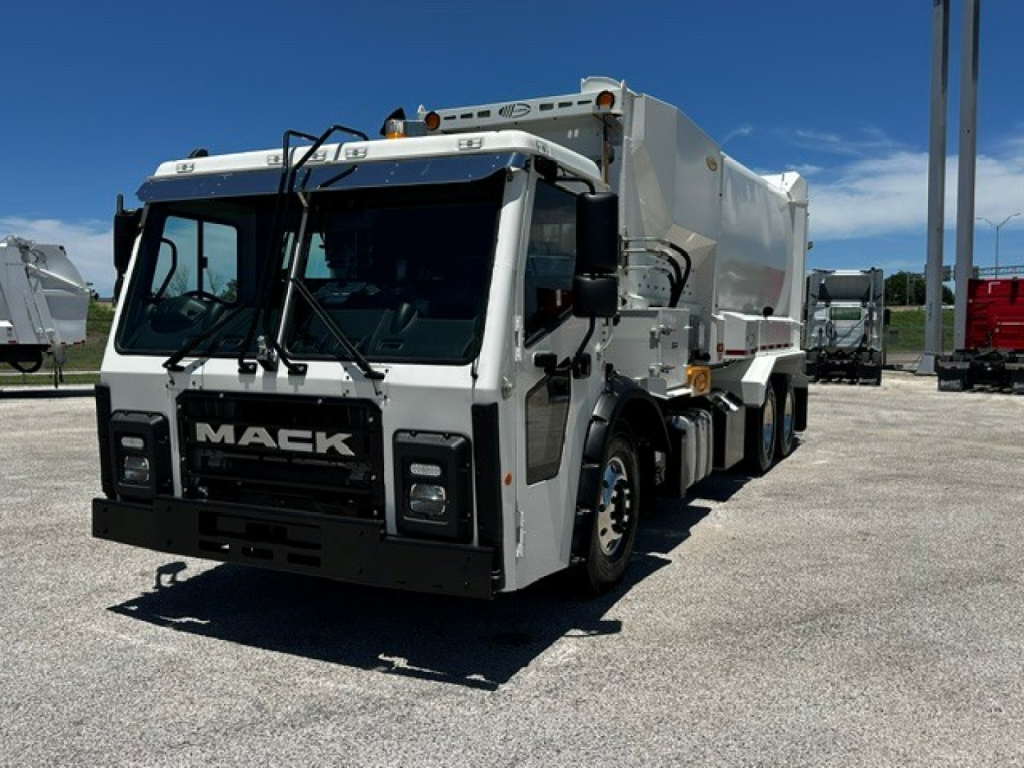
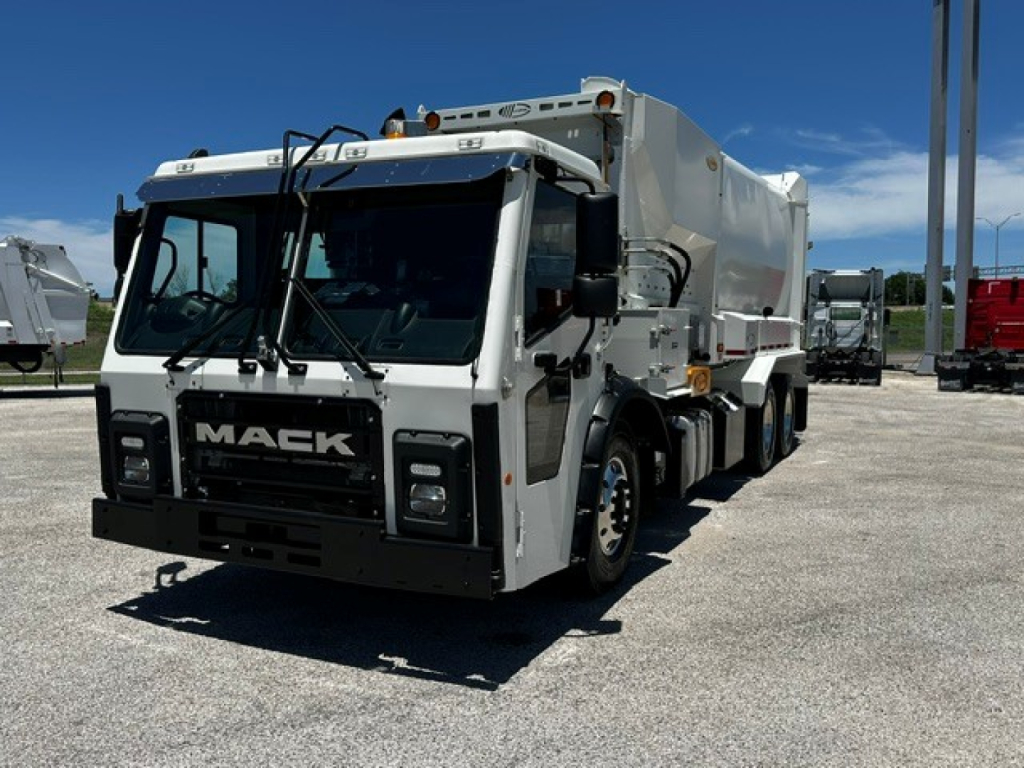
Have refuse side loader truck to sell? List it here to reach thousands of buyers.
About Refuse Side Loader Trucks in Oklahoma
Body capacity is one of the biggest decisions in this category. Many refuse side loaders are set up in the mid to high cubic yard range, and the body has to balance payload volume with maneuverability on tight residential streets. Look closely at compaction ratio, hopper opening, cycle times, and how the body handles mixed household waste. Automated side loaders are the most common configuration, with joystick or in-cab controls that let a single operator service standardized carts quickly. Some fleets prioritize fully automated arms for dense suburban routes, while others prefer more flexible arm geometry when carts are not always placed consistently.
Chassis choice matters because a side loader spends its life in stop-and-go service. Buyers should pay attention to wheelbase, turning radius, cab visibility, transmission calibration, and brake performance under repeated starts and stops. Low-entry cab platforms are common in this class because they improve driver ingress and egress and provide strong sightlines around pedestrians, parked vehicles, and carts. Engine and drivetrain specs are usually selected for durability and PTO performance rather than highway speed. Front axle capacity, rear axle rating, suspension setup, and frame reinforcement all deserve a close look because refuse work is hard on trucks, especially when routes include rough pavement, frequent turns, and transfer station travel.
A good refuse side loader spec also includes the details that affect uptime and safety over the long haul. Common options include cart tippers matched to local can sizes, camera systems, work lights, heated mirrors, automatic tarping or cover systems, and body controls designed for easier diagnostics. Many buyers also look for corrosion protection, hydraulic system access, packer cleanout features, and service-friendly layouts that shorten maintenance time. If the truck will run municipal or private hauler routes in Oklahoma, it is worth comparing bridge compliance, fuel tank placement, and cooling performance for hot weather operation. A well-matched refuse side loader can lower labor needs, improve route productivity, and hold up better under daily residential collection duty.
Frequently Asked Questions
What is a refuse side loader truck used for?
A refuse side loader truck is primarily used for residential garbage collection. It uses a hydraulic arm mounted on the side of the body to grab, lift, and dump wheeled carts into the hopper. Most side loaders are designed for automated or semi-automated collection routes where a single operator can service a large number of stops efficiently and with less physical labor than rear load collection.
What should I look for when buying a refuse side loader truck?
The most important factors are body capacity, arm reach, lift capacity, compaction performance, axle ratings, and chassis maneuverability. Buyers should also confirm that the arm is compatible with the cart sizes used on their routes and that the truck can stay within local weight limits when fully loaded. Visibility, turning radius, hydraulic reliability, and ease of service are especially important because side loaders operate in dense stop-and-go residential environments.
Are automated side loaders better than manual or rear load refuse trucks?
Automated side loaders are often the better choice for standardized residential cart routes because they can reduce labor costs and improve route speed. They also help limit worker exposure to lifting injuries and traffic hazards. Rear loaders may still make more sense for routes with loose bagged trash, irregular set-outs, or commercial pickup points, so the better truck depends on the waste stream and how consistent the route conditions are.
What chassis features matter most on a refuse side loader?
Low-entry cab design, tight turning radius, strong visibility, PTO compatibility, and correct axle and suspension ratings matter most in this category. Refuse side loaders spend most of their time in repetitive stop-and-start operation, so the chassis has to be durable under constant braking, turning, and loading. Buyers should also evaluate frame strength, transmission setup, cooling capacity, and brake performance for local route conditions and transfer station travel.
How do I choose the right refuse side loader size for Oklahoma routes?
Start with route density, average set-out volume, distance to the dump or transfer station, and local weight restrictions. A larger body can reduce trips off route, but it may also limit maneuverability on narrow residential streets or in older neighborhoods. In Oklahoma, buyers often also consider hot weather performance, rough road conditions, and the need for reliable hydraulic and cooling systems during long collection days.