
New Mack Refuse Rear Load Trucks For Sale
New Mack rear load refuse trucks with MD6 and MD7 chassis, automatic transmissions, PTO-ready specs, and municipal waste upfit options.
Learn more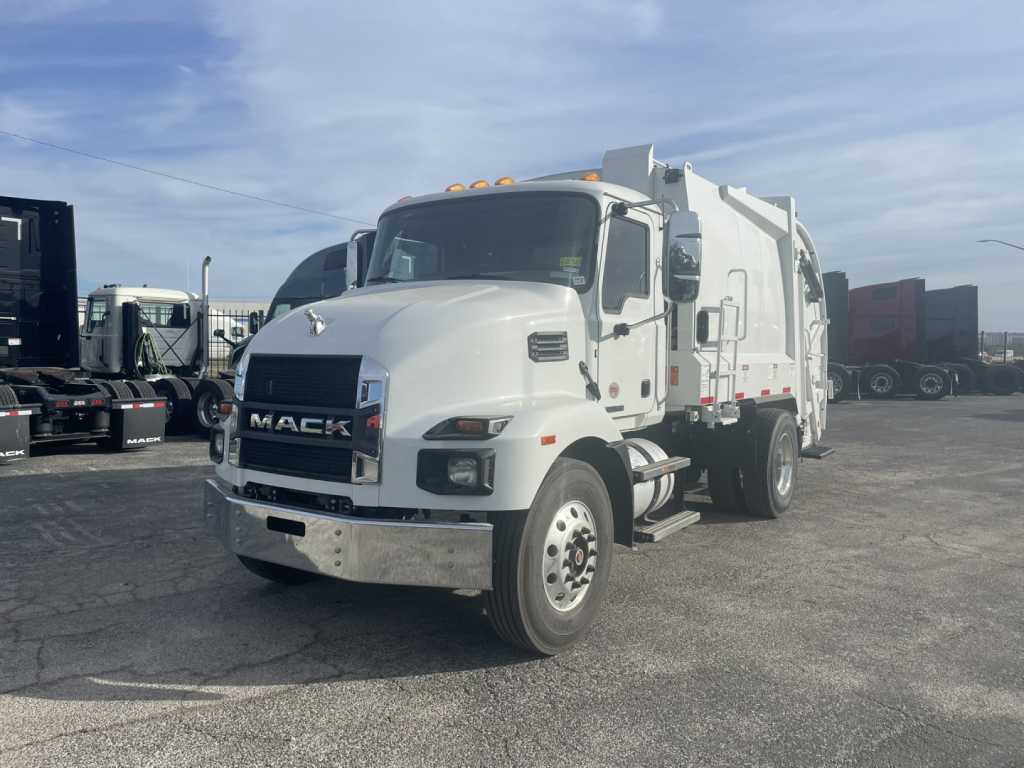
Have new mack refuse rear load truck to sell? List it here to reach thousands of buyers.
About New Mack Refuse Rear Load Trucks
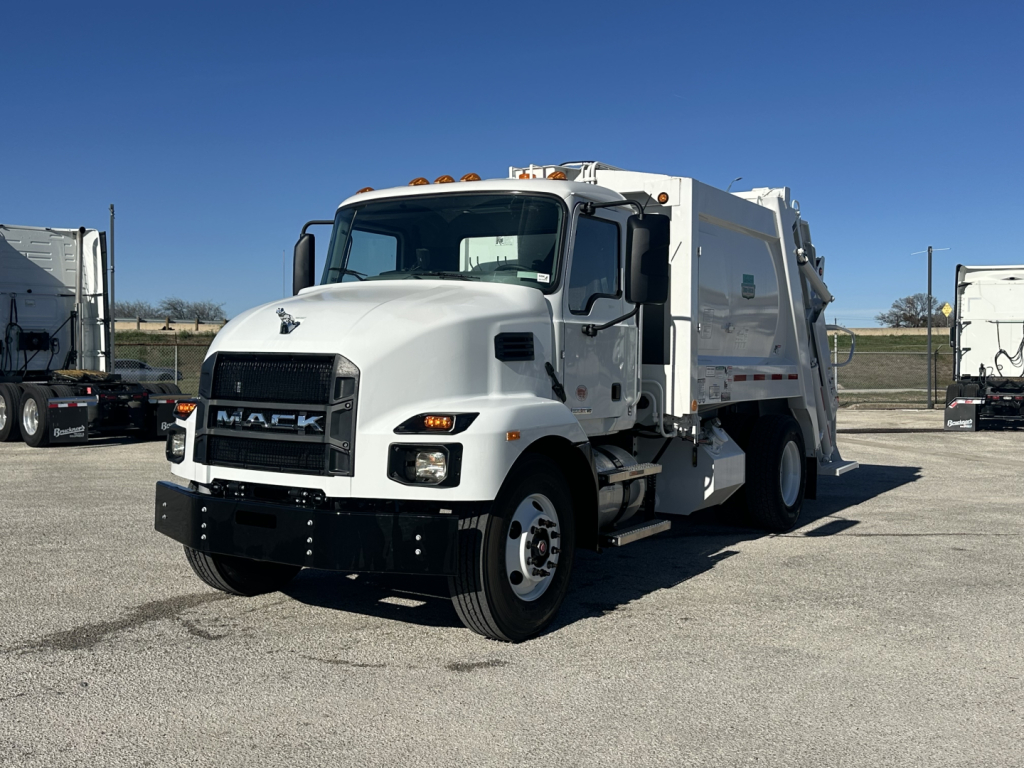
For rear load work, the body and chassis need to function as one system. Buyers should pay close attention to live PTO setup, rear axle ratio, suspension type, and frame compatibility with the hoist body. Typical specs in this class include 250 to 300 horsepower, Allison 2500 RDS or 3000 RDS transmissions, rear ratios around 5.57, and multi-leaf rear suspension designed for repeated pack-and-dump cycles. Common body sizes on these Mack medium-duty platforms run around 11 to 12 yards, often with cart tippers or tuckaway lifters, hopper lighting, strobe packages, backup cameras, tailgate alarms, and in-cab PTO controls. These features are not just convenience items. They directly affect route efficiency, operator safety, and downtime.
The Mack MD6 is often chosen where tighter urban routing, lower GVWR, and easier maneuverability are priorities. The MD7 steps up for buyers who need more chassis capacity, more body flexibility, or a heavier-duty spec for tougher municipal service. Wheelbase, axle ratings, and front overhang all influence turning radius and body fit, so it is worth matching the truck to the route profile instead of buying on body size alone. Residential collection with frequent backing and narrow access points may favor a shorter wheelbase, while denser commercial stops may justify a higher-rated chassis with a more robust lifter or winch arrangement.
A well-spec'd rear load refuse truck should also be judged on serviceability and operator environment. Engine brake, differential lock, high-back air ride seating, LED work lighting, drum brake service access, and clear camera views all matter on routes with constant stopping, uneven surfaces, and early morning operation. For fleet buyers, standardizing around Mack rear load chassis can simplify training, maintenance planning, and parts support. For owner-operators and municipalities alike, the right new Mack rear loader is the one that balances legal payload, route density, body capacity, lifter needs, and crew safety without overbuilding the truck for the job.
Frequently Asked Questions
What is the difference between a Mack MD6 and MD7 for rear load refuse service?
The Mack MD6 is generally used where a lighter medium-duty chassis, tighter maneuvering, and lower GVWR are the priority. The MD7 offers a heavier chassis platform with more capacity for body weight, payload, and accessory equipment. For rear load refuse applications, that difference affects body choice, CDL requirements, and how well the truck handles dense residential or municipal routes.
Can a new Mack rear load refuse truck be spec'd for non-CDL operation?
Yes, some rear load refuse trucks can be factory de-rated to fall under the CDL threshold, typically 26,000 pounds GVWR or below depending on final configuration and local regulations. That can help fleets widen the driver pool and simplify staffing. Buyers still need to account for body weight, lifter systems, payload expectations, and any state or municipal requirements before assuming a non-CDL spec will fit the route.
What transmission is commonly used in Mack rear load refuse trucks?
Allison automatic transmissions are common in this category because refuse work involves constant starts, stops, reversing, and PTO operation. Models such as the Allison 2500 RDS and 3000 RDS are frequently paired with the Cummins ISB 6.7 in Mack MD chassis. Automatic transmissions reduce driver fatigue, support smoother operation on collection routes, and are well suited to vocational duty cycles.
What body features are important on a rear load refuse truck?
Important body features include the hopper and packer design, tailgate sealing, cart tipper or tuckaway lifter configuration, backup camera, work lights, strobe lighting, in-cab PTO controls, and audible backup or tailgate-open alarms. Street-side controls, throttle advance, and easy access for maintenance also matter. These features affect productivity, crew safety, and how efficiently the truck handles residential carts, bags, cans, or small commercial containers.
What should buyers look at besides body size when comparing rear load refuse trucks?
Body size is only one part of the buying decision. Buyers should also compare GVWR, axle ratings, wheelbase, rear axle ratio, suspension, PTO setup, and how the body upfit matches the chassis. A truck with the wrong wheelbase or weight balance may carry the body but still perform poorly on route. The best match is based on route density, turning requirements, legal payload, collection method, and how much auxiliary equipment the truck needs to run.