
Pickup 2wd Trucks For Sale
Shop 2WD pickup trucks for work fleets. Learn specs, towing, payload, gas vs diesel, and traction options to choose the right two-wheel-drive truck.
Learn moreBrowse Pickup 2wd Trucks by Make
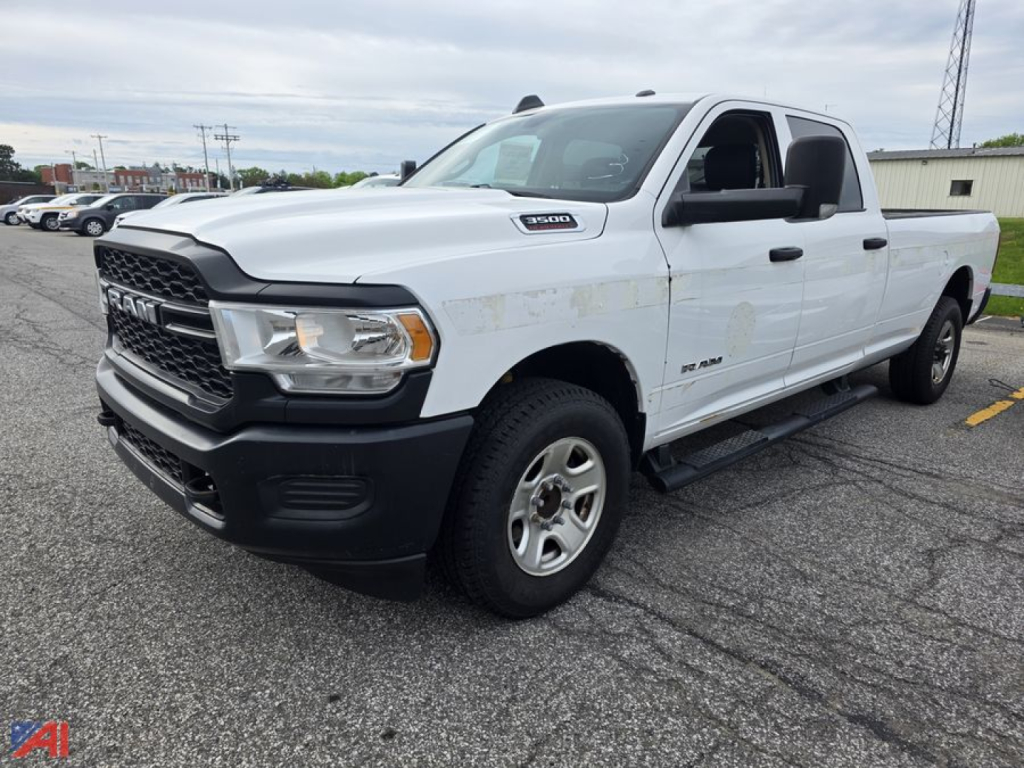
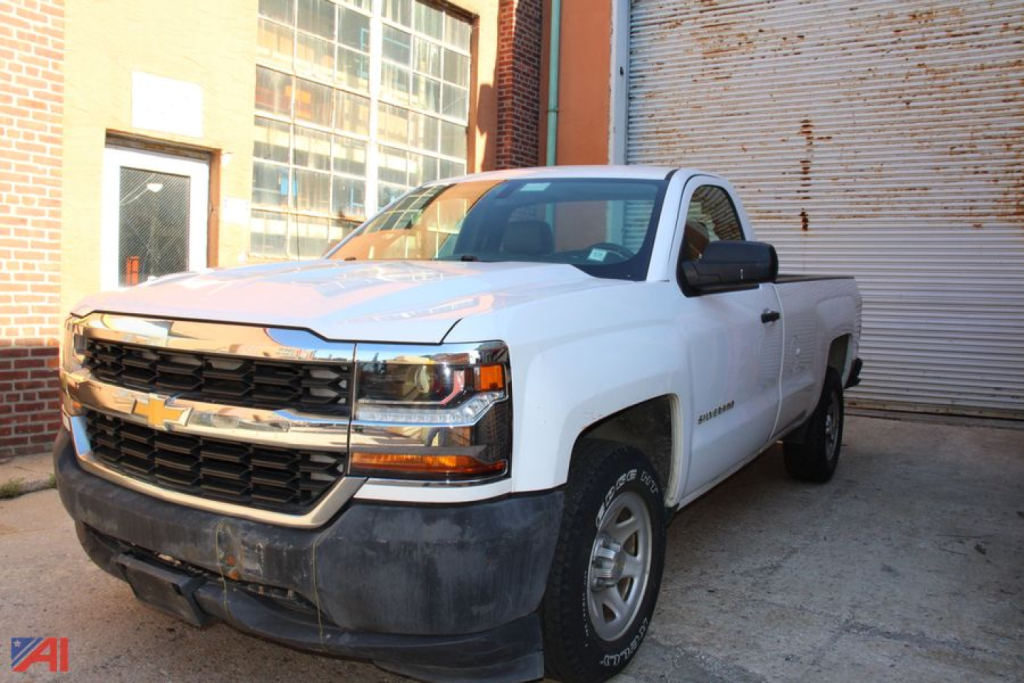
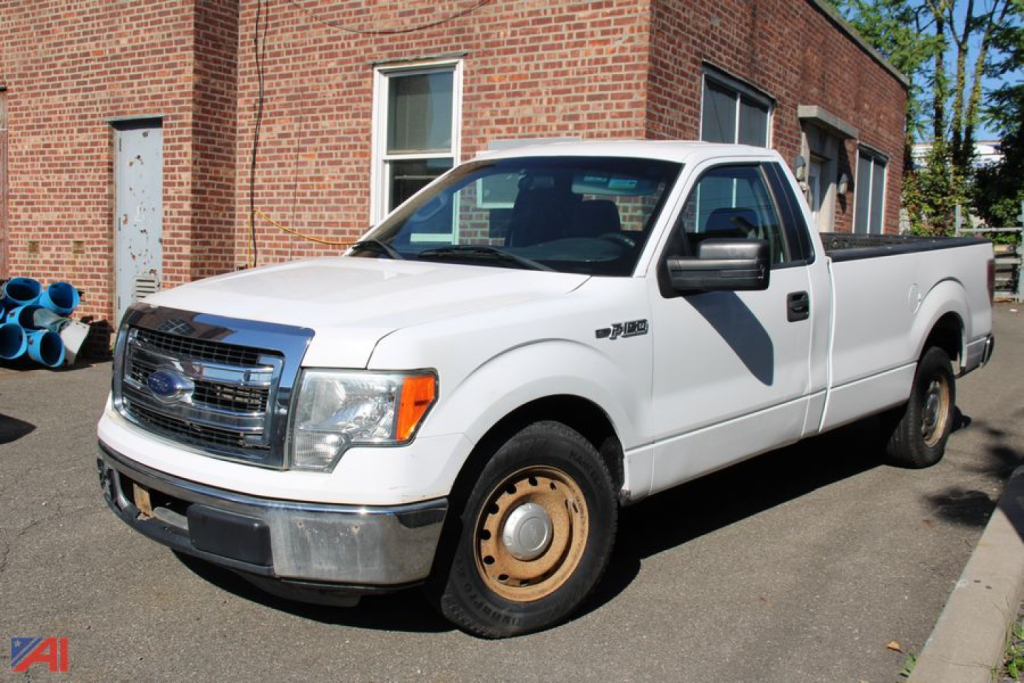
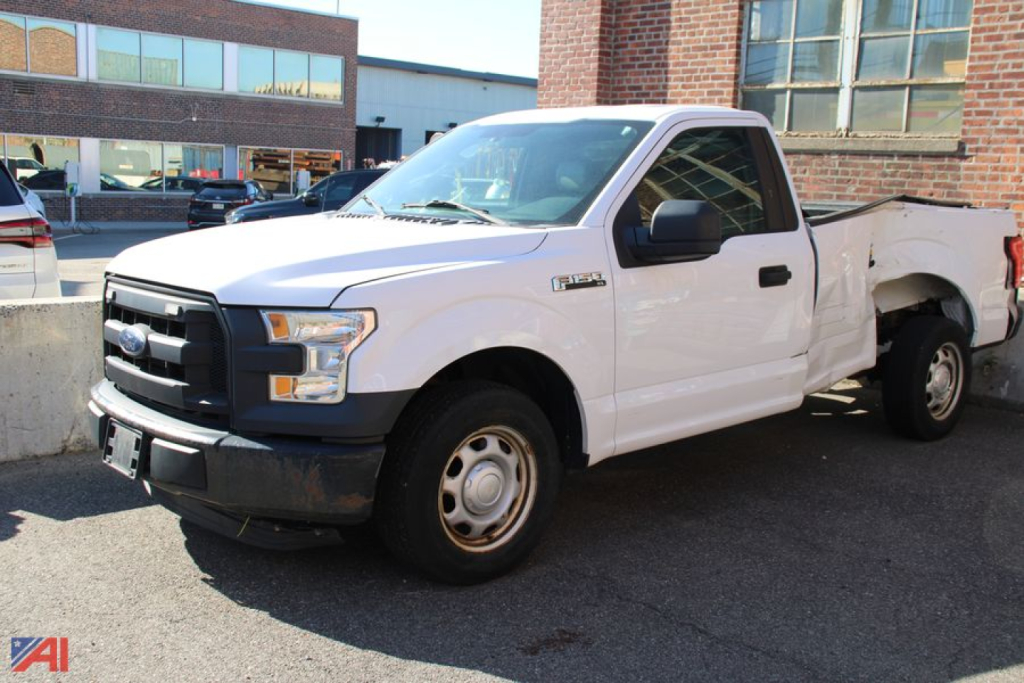
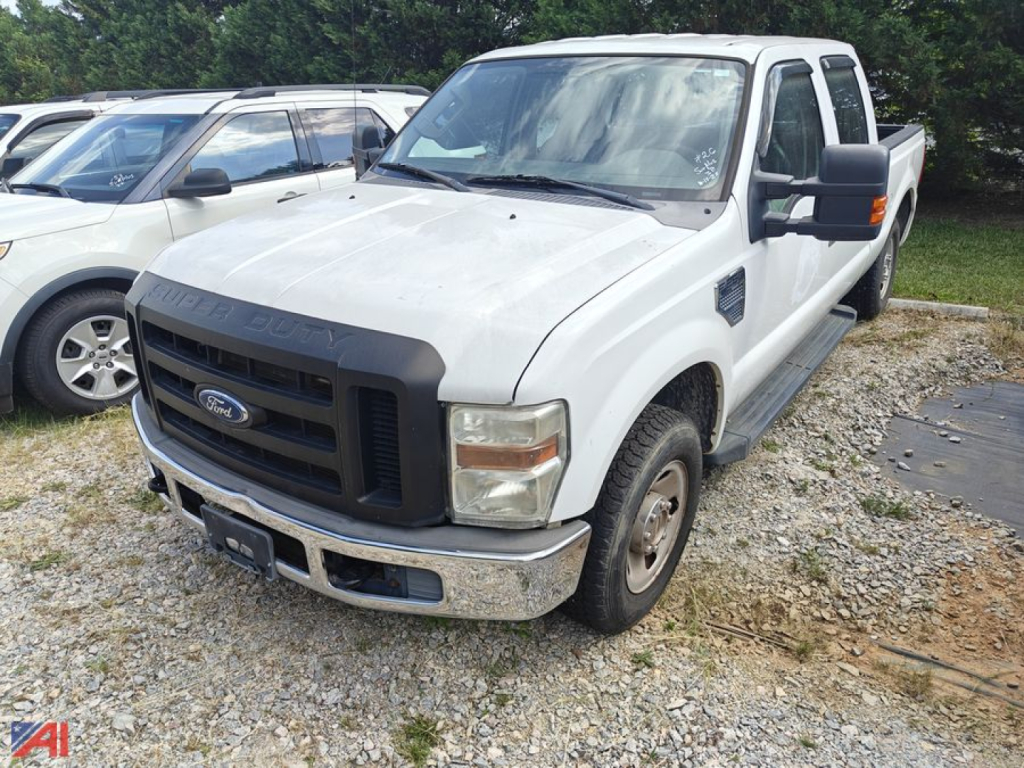
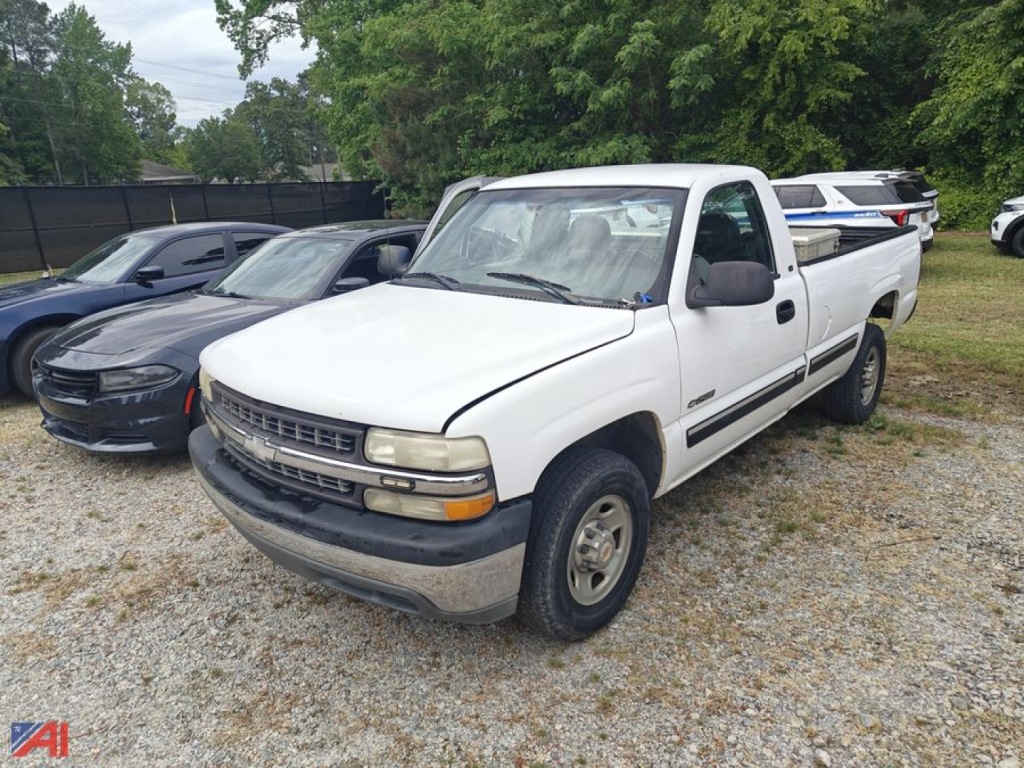
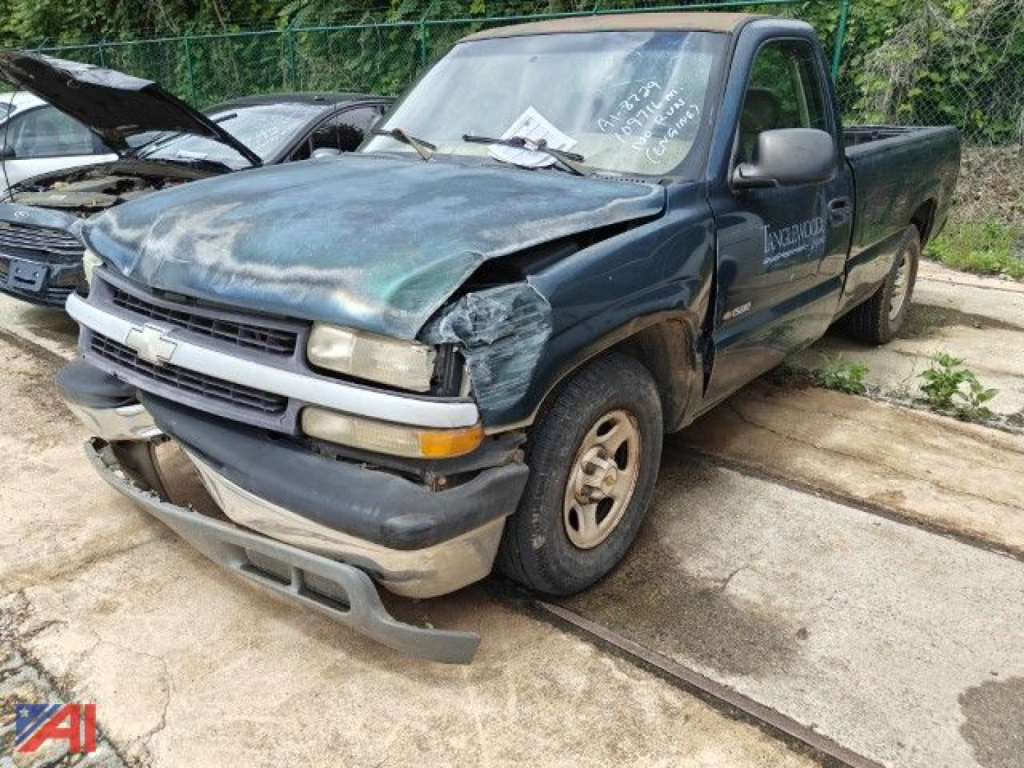
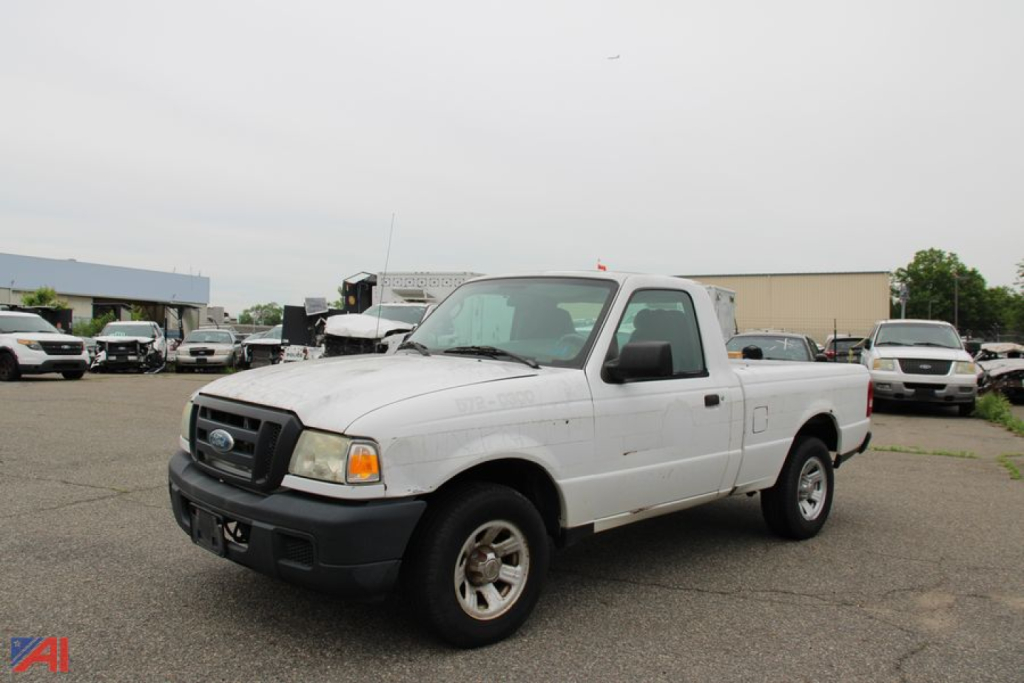
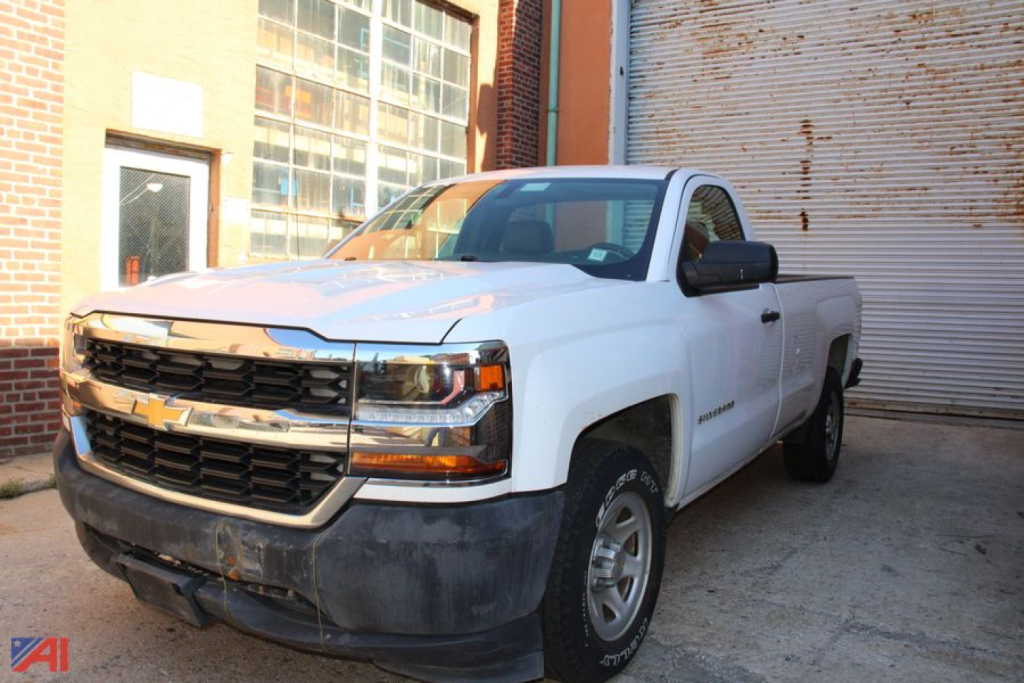
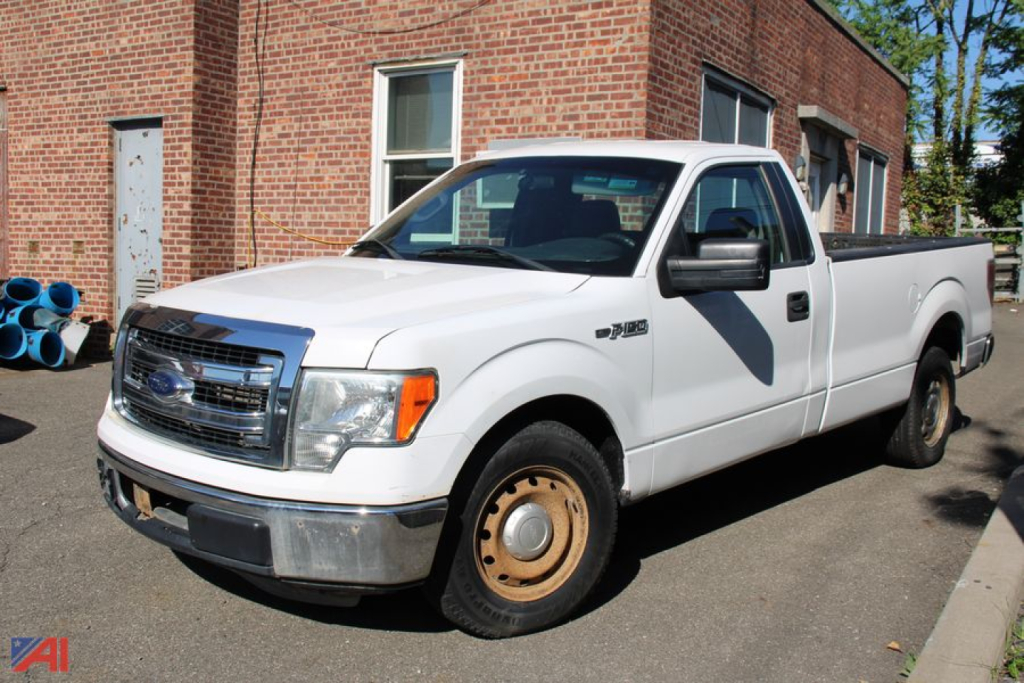
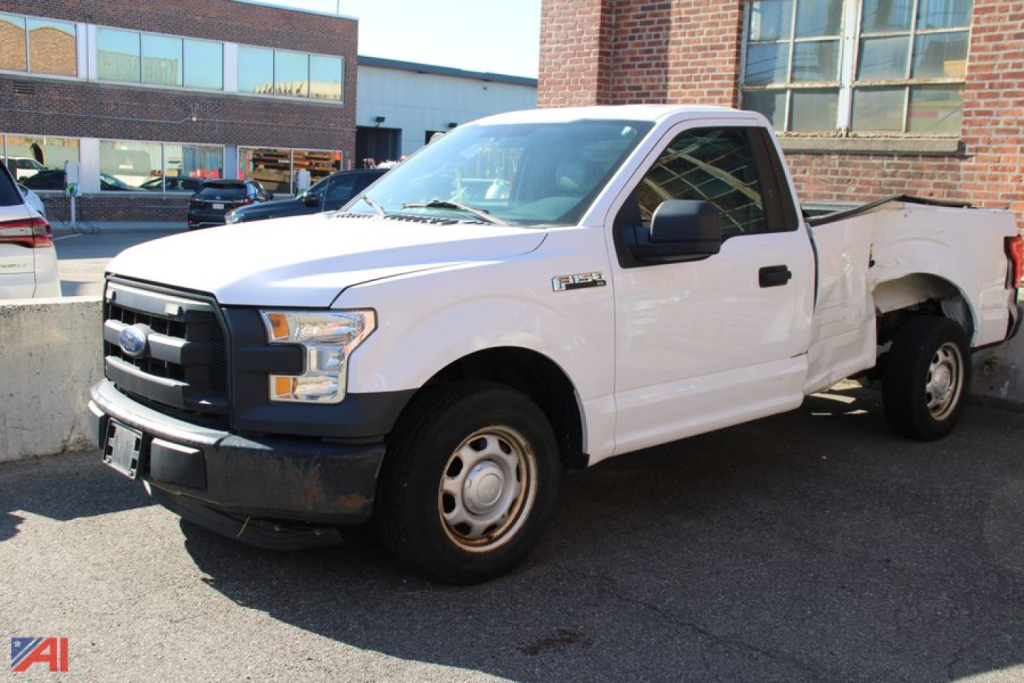
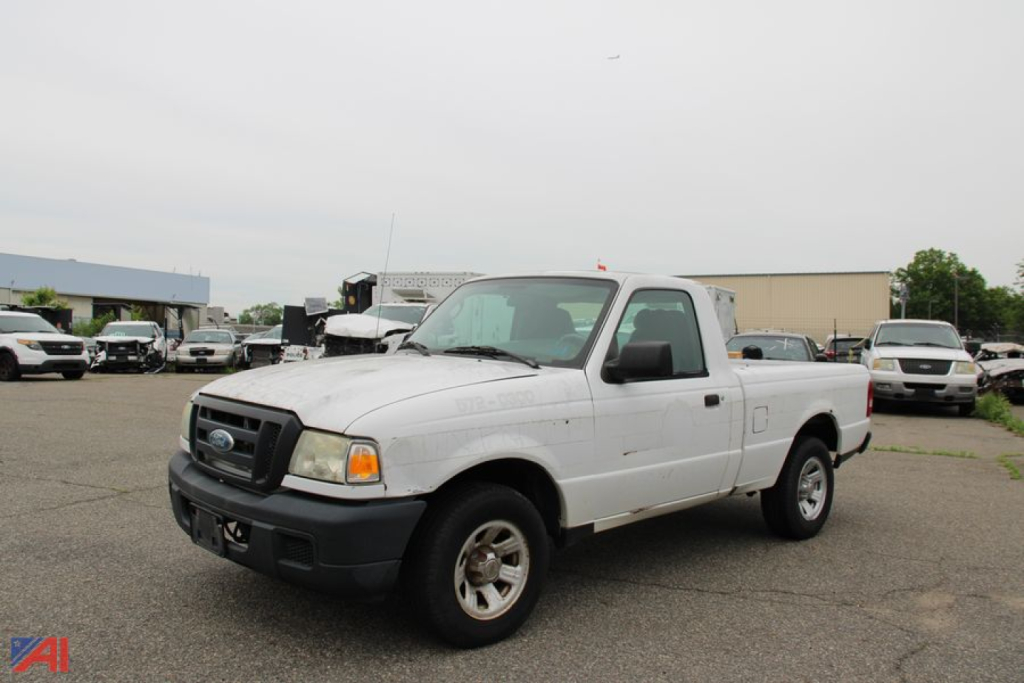
Showing 1 to 12 of 20 results
Have pickup 2wd truck to sell? List it here to reach thousands of buyers.
About Pickup 2wd Trucks
Two-wheel-drive pickups span light duty 1500 half-tons to heavy duty 3500 one-tons in SRW or DRW, with regular, extended and crew cabs and 5.5, 6.5 or 8 ft beds. Gas V6 and V8 engines suit mixed city use and moderate towing, while modern diesels deliver high torque, engine braking and superior GCWR for long-grade, high-mileage work. Typical payload is about 1,500 to 2,300 lb in half-tons, 3,000 to 4,500 lb in three-quarter tons, and 5,000 to 7,500 lb in one-ton duallies. Properly configured 2WD HD trucks can bumper-pull in the 12,000 to 16,000 lb range and gooseneck or fifth-wheel into the mid 20,000s or higher, depending on model, axle ratio and cooling packages. Long wheelbase, integrated trailer brake controller, tow mirrors and a factory gooseneck or fifth-wheel prep are key when trailering frequently.
On paved routes, jobsite supply runs and Sun Belt service territories, 2WD shines with easier ingress, better mpg and tighter turning compared to many 4x4s. Traction trade-offs in snow or mud can be managed with a limited slip or e-locker, quality all-terrain or winter tires, chains when legal, and 200 to 400 lb of secured ballast over the rear axle. Stability control, trailer sway control and modern traction management systems improve confidence on wet or gravel roads without the complexity of a transfer case. Lower ride height also reduces slip-and-fall risk for crews loading ladders, tools and materials.
Specification details matter. Check the door-jamb payload sticker, axle code and gear ratio to ensure the truck matches your trailer weight and route profile. Look for heavy-duty cooling, higher-output alternators for upfits, integrated trailer brake control, factory hitch hardware and in-bed 5th wheel or gooseneck provisions on long-bed models. For used units, inspect frame and bed for rust and previous overload evidence, verify tire load ratings, and review maintenance history. Gas trucks keep costs simple for short trips and light towing, while diesels reward steady highway miles and heavy loads but add DEF and aftertreatment service. Also confirm licensing and compliance needs, since CDL requirements hinge on combined GCWR and trailer rating, not just the pickup’s GVWR.
Frequently Asked Questions
Are 2WD pickups good for towing heavy loads?
Yes, on paved roads a properly equipped 2WD can tow very well. Weight savings over a 4x4 often boosts payload, and with the right axle ratio, integrated trailer brake controller, heavy-duty cooling and a long wheelbase, stability is excellent. For the heaviest gooseneck work, a 2WD dually with a diesel and 3.73 to 4.30 gearing is a common choice.
What advantages does a 2WD pickup have over a 4x4 for fleet use?
Lower acquisition cost, fewer drivetrain components, reduced front-end wear, slightly better fuel economy and a lower ride height are the big wins. Many models also net a higher payload because they are lighter than 4x4 counterparts. Those benefits translate to lower total cost of ownership in highway and urban routes.
How can I improve traction on a 2WD truck for winter or light off-road use?
Select a limited slip or electronic locking differential, run quality winter or all-terrain tires at proper pressures, add 200 to 400 lb of secured ballast over the rear axle when conditions warrant, and carry chains where permitted. Modern stability and traction control help, but tires and a locking rear are the most effective upgrades.
Should I choose gas or diesel for a 2WD work truck?
Choose based on duty cycle. Gas engines cost less upfront and suit short trips, lighter trailers and lower annual miles. Diesels excel at sustained towing, steep grades and high mileage with better fuel economy and engine braking, but they add DEF, DPF and SCR systems that raise maintenance complexity and cost. Resale can favor diesels in heavy-tow markets.
Do I need a CDL to drive a 2WD pickup with a trailer?
A CDL typically is not required for a pickup alone under 26,001 lb GVWR. It may be required when the combined weight rating exceeds 26,000 lb and the trailer is rated over 10,000 lb. Rules vary by state and use case, and commercial operation may require a USDOT number, medical card and logs. Always verify current regulations for your routes.