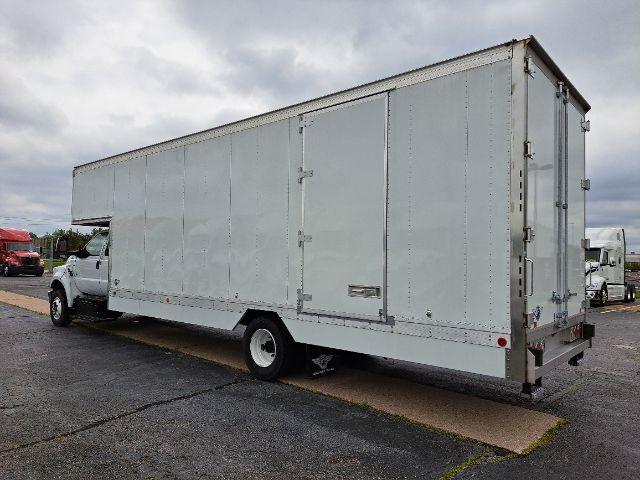
Moving Van Trucks For Sale in Missouri

Browse moving van trucks for sale in Missouri. Compare body length, attic space, GVWR, door setup, floor construction, and chassis options.

Learn more

Browse Moving Van Trucks by Make

1 Listings

Have moving van truck to sell? List it here to reach thousands of buyers.

About Moving Van Trucks in Missouri

Moving van trucks are built for high-cube freight that needs protection from weather, shifting, and repeated loading cycles. In Missouri, they are a practical fit for household goods carriers, furniture delivery, appliance work, final-mile distribution, and commercial relocation fleets running between urban stops and longer interstate routes. This category is also commonly called a box truck for moving, but a true moving van body is usually set up with details that matter to movers, including attic storage over the cab, multiple side-door access points, walkboards, dock bumpers, and interior dimensions designed to maximize stackable cubic capacity.

Body configuration is the first decision point. A 24-foot to 26-foot moving van is common on medium-duty chassis like the Ford F-650, with body widths around 96 inches and inside heights that can reach roughly 103 inches. That extra interior height is important for pad-wrapped furniture, upright appliances, and efficient tiered loading. Buyers should pay close attention to floor construction, especially hardwood or laminated oak floors, because moving applications create concentrated point loads from dollies, safes, and pallet jacks. Side doors on the street side, curbside, or both can speed access on multi-stop jobs, while an attic adds separated storage for cartons, pads, and lighter items that would otherwise consume floor space.

Chassis specs should match the route and payload, not just the box size. Many moving van trucks in this class use a single-axle 4x2 setup with gas or diesel power, automatic transmissions, spring suspension, and 19.5-inch tires. Front and rear axle ratings, wheelbase, fuel capacity, and overall height all affect day-to-day usability. Missouri operators working in tighter city streets may prioritize maneuverability and visibility, while crews running longer lanes between St. Louis, Kansas City, Springfield, and surrounding states may care more about cab comfort, fuel range, and serviceability. Rear camera systems, backup alarms, power windows and mirrors, and good mirror heat are simple features, but they make a real difference when drivers are backing to docks, alleys, and residential curbs.

Condition of the body matters as much as the truck underneath it. Buyers should inspect the roof bows, front wall, corner caps, door frames, dock bumpers, rub rail condition, and any signs of water intrusion. The rear opening height, ramp or liftgate compatibility, and condition of the walkboard all affect loading efficiency and crew safety. A well-spec'd moving van truck should balance cubic capacity, legal payload, low loading stress, and easy cargo access. For most buyers, the best unit in this category is not the biggest box, but the one with the right body layout, floor strength, door placement, and chassis rating for the work it will do every day.

Frequently Asked Questions

1

What is the difference between a moving van truck and a standard box truck?

A moving van truck is a type of box truck, but it is usually configured specifically for household goods and bulky protected freight. Common moving van features include an attic over the cab, higher interior clearance, hardwood or laminated floors, side access doors, dock bumpers, and interior layouts designed for hand-loaded cargo rather than palletized freight alone. A standard dry box may look similar from the outside, but it often lacks the cargo-access features and interior setup that movers depend on.

2

What size moving van truck is most common for household goods work?

The most common setup is a 24-foot to 26-foot body on a medium-duty single-axle chassis. That size gives enough cubic capacity for residential and light commercial moves while staying manageable in neighborhoods, apartment complexes, and tighter loading areas. Buyers should confirm not only body length, but also inside height, body width, attic capacity, and GVWR, because those details affect how much usable freight the truck can actually handle.

3

Are gas-powered moving van trucks a good choice compared with diesel?

Gas engines can be a good fit for moving van applications with lower annual miles, local routes, and fleets that want simpler emissions systems and lower upfront cost. Diesel still makes sense for heavier payloads, sustained highway use, and operations that put high miles on a truck every year. The right choice depends on route length, average load weight, technician support, and total cost of ownership rather than fuel type alone.

4

What should I inspect on a used moving van body before buying?

Start with the floor, roof, front wall, rear frame, and side panels. Look for soft spots in the floor, patched roof sections, water staining, delamination, damaged scuff areas, bent crossmembers, and worn door seals. Check the rear door opening, side-door hardware, walkboard condition, and dock bumpers because these parts take repeated abuse in moving service. It is also important to verify overall body height and interior dimensions so the truck matches your loading method and route restrictions.

5

Why does attic space matter on a moving van truck?

Attic space creates a separate storage area above the cab for lighter, bulky items such as pads, cartons, lampshades, and packing material. That frees up the main cargo floor for heavy furniture and appliances, improves load organization, and can reduce handling time at each stop. For crews doing residential moving, the attic is one of the most useful body features because it adds cube without increasing overall body length.