
Ford Moving Van Trucks For Sale in Missouri
Shop Ford moving van trucks for sale in Missouri. Compare F-650 specs, box lengths, body features, payload, and delivery-ready upfit options.
Learn more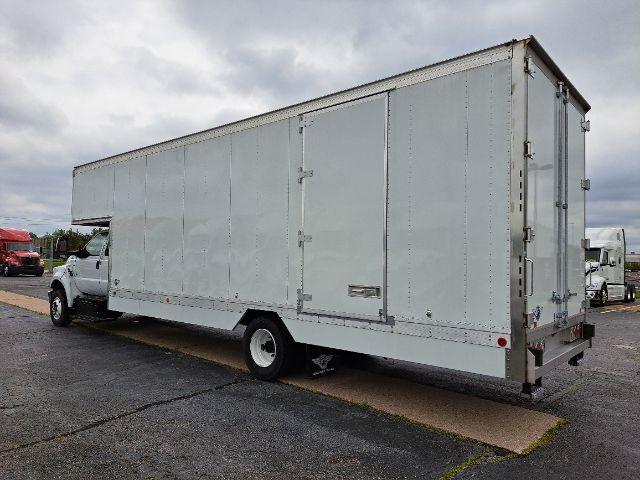
Have ford moving van truck to sell? List it here to reach thousands of buyers.
About Ford Moving Van Trucks in Missouri
A typical moving van body in this class runs around 24 to 26 feet long, often with a 96-inch exterior width and a tall interior for stacked furniture pads, cartons, and commercial fixtures. Common body details include an attic over the cab for lighter bulk items, laminate or hardwood floors for durability, scuff protection along the walls, multiple side access doors, dock bumpers, and rear camera systems. If the truck will see regular dock work, pay attention to overall height, rear step design, and how the body is laid out around the walkboard and loading area. For moving applications, interior cubic capacity matters just as much as payload because bulky freight often maxes out space before weight.
On the chassis side, Ford medium-duty moving vans are often spec'd as single-axle 4x2 trucks with automatic transmissions, spring suspension, hydraulic brakes, and gasoline or diesel power depending on the intended duty cycle. Newer gas-powered Ford 7.3L setups are common for local and regional work where simpler emissions equipment and lower acquisition cost are priorities. Key numbers to compare across listings include GVWR, front and rear axle ratings, wheelbase, fuel capacity, tire size, and body inside height. A truck that looks similar on paper can perform very differently once it is loaded, especially if liftgate needs, ramp use, or dense commercial freight are part of the job.
A good Ford moving van listing should tell you how the truck is equipped for real loading conditions, not just cab comfort. Look for attic design, floor material and thickness, side door placement, rear opening dimensions, camera visibility, and any protective features that reduce dock and body damage over time. Missouri buyers should also consider service access, emissions requirements for the operating area, and turning radius for tighter city routes. When the truck is matched correctly, a Ford moving van can be a practical enclosed work truck with strong body volume, straightforward controls, and the versatility to handle everything from residential moves to retail and light commercial deliveries.
Frequently Asked Questions
What Ford chassis is most common for a moving van truck?
The Ford F-650 is one of the most common chassis choices for moving van applications because it supports medium-duty payloads while still offering manageable size, straightforward service support, and flexible body mounting options. It is frequently used with 24-foot to 26-foot van bodies for household goods, office furniture, and general enclosed freight. The exact fit depends on body length, GVWR, axle ratings, and how much cargo volume versus payload capacity the operation needs.
What body features matter most on a moving van truck?
The most important body features are the ones that affect loading efficiency and cargo protection every day. Buyers should focus on box length, inside height, floor construction, rear door opening, attic space, side access doors, scuff liners, dock bumpers, and camera visibility. For moving work, a durable floor and useful interior cube are usually more important than cosmetic features because bulky freight, hand loading, and repeated dock contact create constant wear.
Is a gas Ford moving van a good choice for local work?
A gas-powered Ford moving van can be a strong fit for local and regional routes, especially when the truck sees frequent stop-and-go driving, moderate annual mileage, and centralized maintenance. Ford's 7.3L gas engine is often chosen for lower upfront cost and simpler operation compared with some diesel applications. The tradeoff is that fuel economy and high-mileage long-haul performance may not match a diesel spec, so route length, load profile, and annual utilization should drive the decision.
How do I choose the right moving van size?
Start with the cargo profile, not just the chassis badge. Residential movers and office relocation operators often prioritize interior cube, which makes a 24-foot to 26-foot body with tall inside height attractive for furniture, cartons, and fixtures. If the truck handles heavier palletized freight, compare GVWR, rear axle rating, and floor strength closely because a large box does not automatically mean higher usable payload. Overall height, wheelbase, and turning radius also matter if the truck will work in tight city streets or older dock facilities.
What should Missouri buyers pay attention to on a Ford moving van?
Missouri buyers should look at how the truck fits mixed operating conditions, including interstate travel, urban deliveries, and smaller secondary roads. Cooling performance, brake condition, tire size, and suspension spec matter for year-round use, while body height and rear access matter for dock compatibility. It also helps to confirm service support for the Ford chassis in the operating region and to review whether the body setup matches the actual freight, since moving vans are often limited by cubic space before they reach maximum legal weight.