
Used Terex Mixer Trucks For Sale in Virginia
Browse used Terex mixer trucks in Virginia. Compare drum capacity, axle setup, chute configuration, and jobsite-ready concrete hauling specs.
Learn more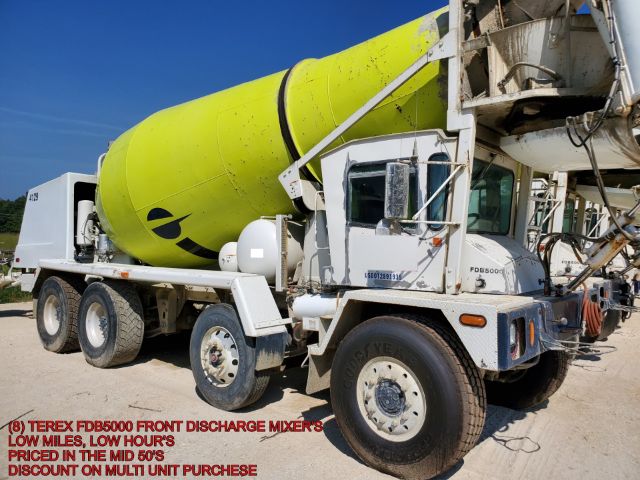
Have used terex mixer truck to sell? List it here to reach thousands of buyers.
About Used Terex Mixer Trucks in Virginia
A Terex mixer truck is designed around the demands of repeated loading, transit mixing, and controlled discharge. Key inspection points include drum condition, fin wear, water system function, hydraulic performance, chute structure, rollover or frame repair history, and the condition of the subframe and pedestal. Front discharge units such as the FDB-series are especially popular with fleets that want one operator to both position and place concrete without relying as heavily on ground crew. In urban Virginia markets and growing suburban areas, that can be a real productivity advantage on narrow streets, cul-de-sacs, and congested pours.
Specs vary by application, but buyers usually compare cubic yard capacity, engine make and horsepower, transmission type, bridge formula, suspension, and steer axle setup. Legal payload and axle compliance are important in Virginia, particularly if the truck will run mixed routes that include municipalities, subdivisions, and highway travel between batch plants and jobsites. A used mixer should also be evaluated for drum drive smoothness, slump system operation if equipped, water tank integrity, and signs of excessive corrosion from cement, washout practices, or winter road exposure. Cab visibility, steering geometry, and chute reach also affect how productive the truck will be once it is on a pour.
Terex mixer trucks appeal to contractors and ready-mix operations that need a specialized concrete truck rather than a general vocational chassis with an added mixer body. The right unit depends on haul distance, pour size, plant access, and the level of maneuverability required at the jobsite. Buyers comparing used Terex mixer trucks for sale should weigh remaining life in the drum and hydraulics just as heavily as engine and drivetrain condition, because mixer-specific repairs can quickly change operating cost. A well-maintained used Terex mixer can still deliver strong service in local concrete work, commercial construction, residential foundations, municipal projects, and roadbuilding support.
Frequently Asked Questions
What should I inspect first on a used Terex mixer truck?
Start with the mixer package before the cab and paint. Drum shell thickness, internal fin wear, hydraulic motor performance, water system operation, chute condition, and subframe integrity are critical because they directly affect concrete handling and repair cost. Also check for frame cracks, weld repairs, pedestal wear, leaking seals, and signs of hard use around the hopper and discharge areas.
Are Terex front discharge mixer trucks a good fit for tight jobsites?
Yes. Terex is well known for front discharge mixer configurations that give the driver direct visibility to the chute and placement area. That layout can improve control in tight residential developments, urban streets, and crowded commercial sites where backing room is limited and precise concrete placement matters.
How do I choose the right used mixer truck capacity?
Match drum capacity to your typical order size, haul distance, and local weight limits. Larger capacity can improve productivity, but only if your routes and axle setup support the payload legally and efficiently. In practice, buyers also need to consider plant loading procedures, site access, and whether smaller, more maneuverable trucks will turn faster in local delivery work.
What makes a used mixer truck expensive to repair?
Mixer-specific wear items can drive costs quickly. Drum rebuilds, fin replacement, hydraulic system repairs, pedestal work, chute replacement, and structural repairs to the mixer frame or hopper can be more expensive than many standard chassis items. That is why service records and a careful inspection of the mixer assembly are as important as engine mileage.
Why does axle configuration matter on a mixer truck in Virginia?
Axle configuration affects legal payload, turning radius, bridge compliance, tire wear, and route flexibility. In Virginia, a mixer running between plants and jobsites may encounter a mix of highway travel, local roads, and weight-sensitive areas. The right steer axle and suspension setup helps balance capacity with maneuverability and day-to-day operating compliance.