
Trucks For Sale Near Marion, Texas
Browse trucks for sale in Marion, Texas, including day cabs, sleepers, step vans, and vocational trucks for freight and local work.
Learn more
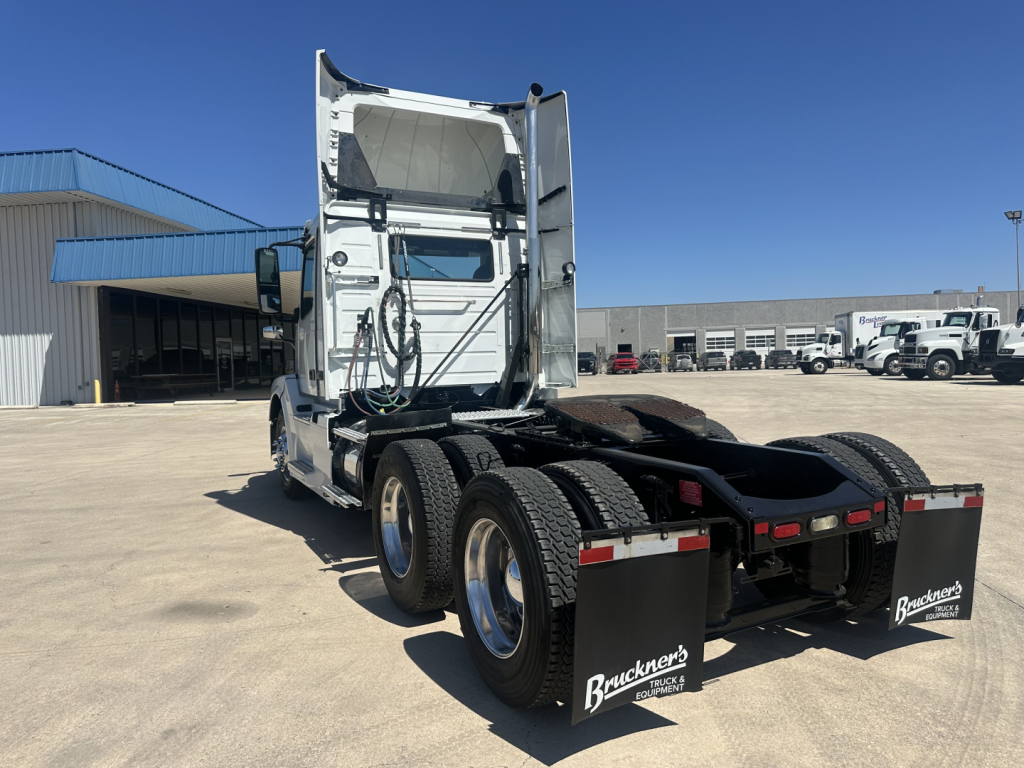

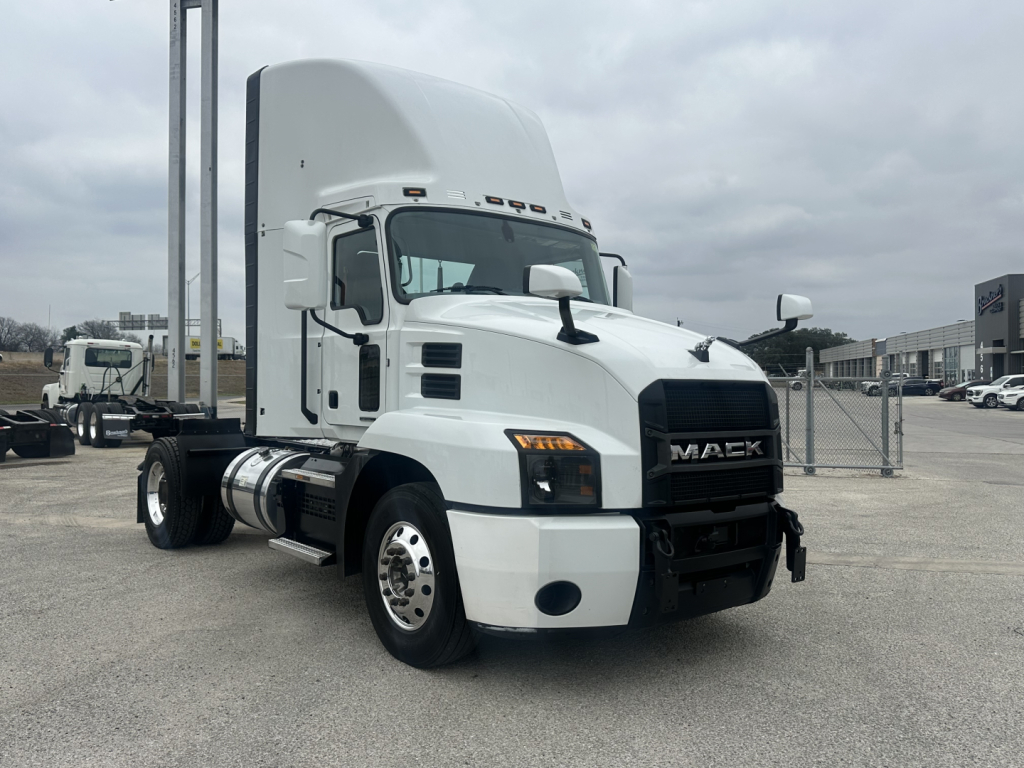
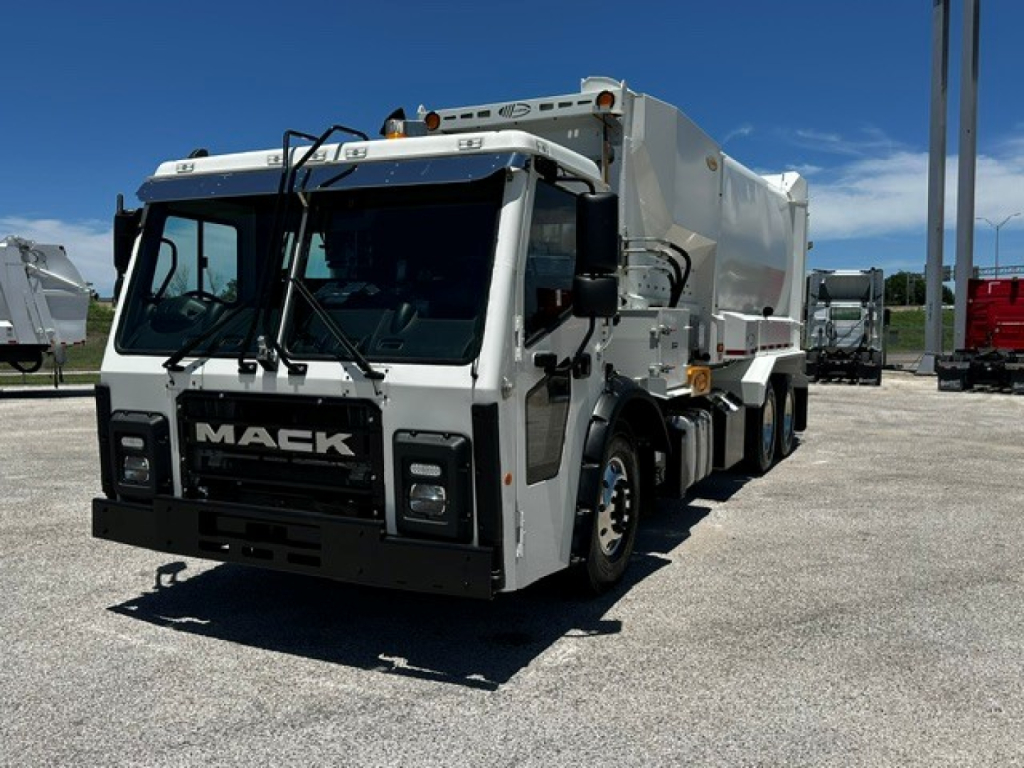
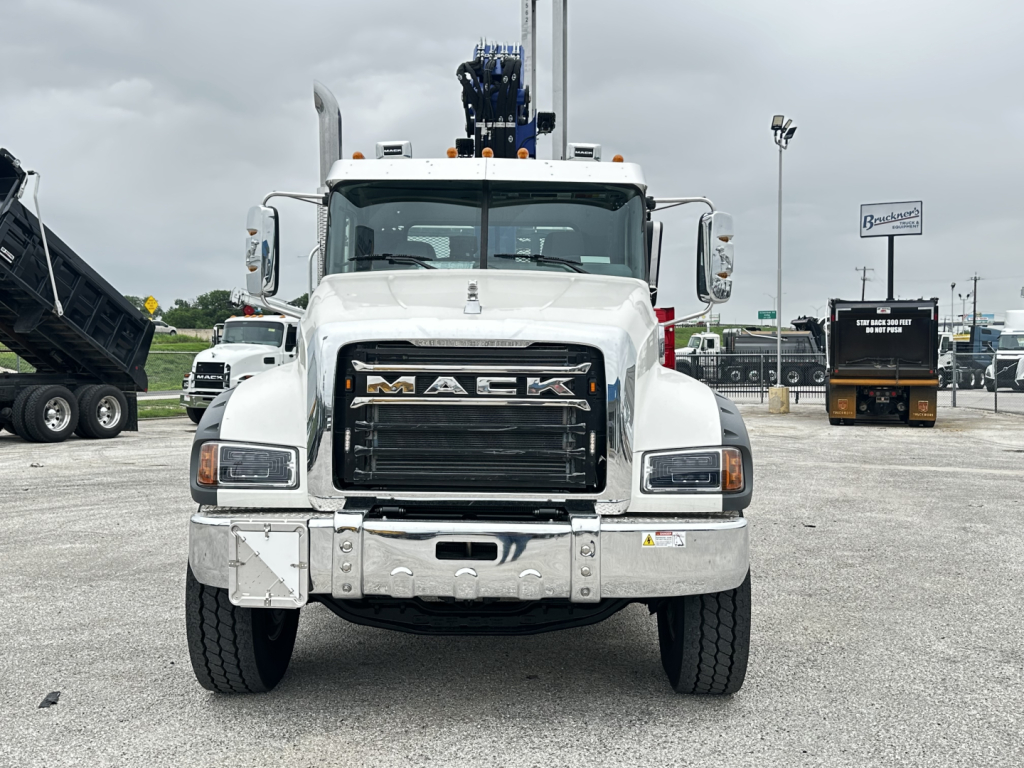
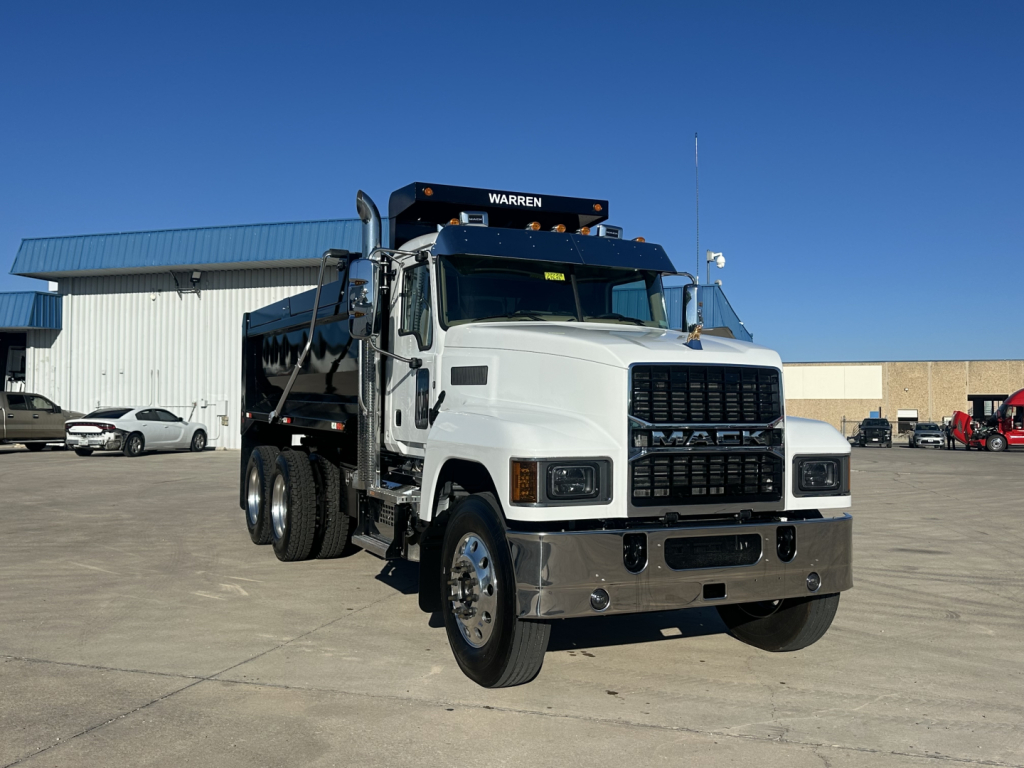
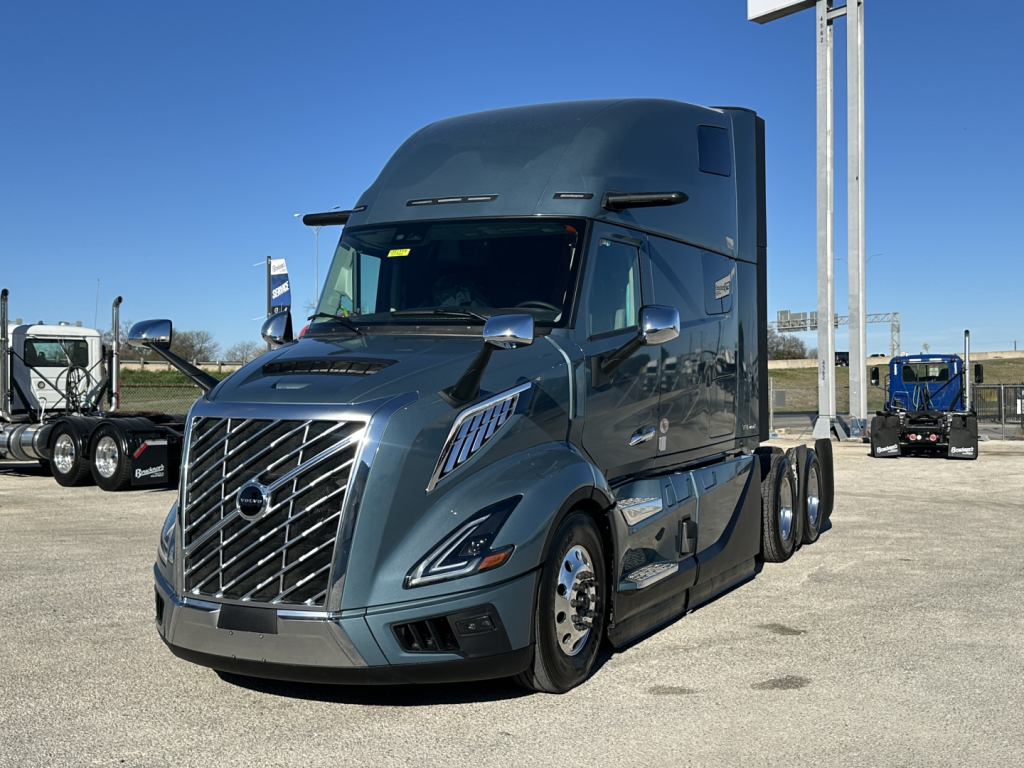
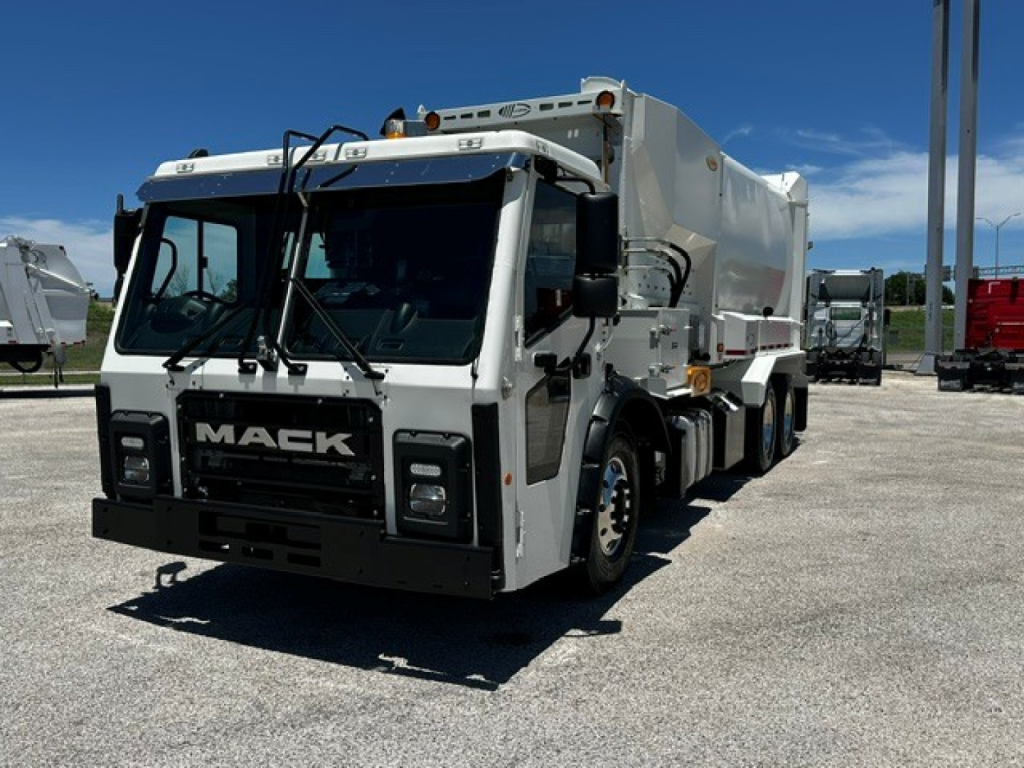
Showing 61 to 72 of 95 results
Have truck to sell? List it here to reach thousands of buyers.
About Trucks Near Marion, Texas
For highway use, buyers usually focus on engine and transmission pairing, rear axle ratio, suspension type, and whether the truck is spec'd for fuel economy or heavier GCWR demands. Day cabs are common for port work, regional lanes, and dedicated routes where sleeper space is not needed. Sleeper trucks add driver comfort, onboard storage, and legal flexibility for longer runs. In either case, looking closely at mileage, idle hours, emissions system history, wheelbase, fifth wheel setup, and maintenance records is critical. Features like adaptive cruise, automated manual transmissions, disc brakes, and telematics are increasingly common on newer road tractors and can affect driver retention, uptime, and operating cost.
Medium-duty and vocational trucks require a different buying lens. Step vans are built around stop-and-go efficiency, low step-in height, tight turning radius, and cargo access for delivery work. Buyers should compare GVWR, battery-electric versus diesel power where applicable, cargo cube, door configuration, and route suitability. Vocational chassis such as roll-off trucks need close attention to frame strength, axle ratings, PTO provisions, suspension, and body manufacturer compatibility. A truck that is well suited for urban collection or container handling may be a poor fit for highway freight, even if the horsepower numbers look comparable on paper.
In South Texas, heat, stop-and-go duty cycles, and mixed highway-to-jobsite use can influence the best spec. Cooling capacity, air conditioning performance, tire choice, corrosion exposure, and service network support all deserve attention. Buyers comparing trucks for sale in Marion should also think about CDL requirements, bridge-law implications, fuel type, and how easily the truck can be serviced by their preferred shop. The right purchase is usually the one with the correct axle and frame spec, predictable maintenance profile, and a cab configuration that matches the route, body, and driver schedule.
Frequently Asked Questions
What is the difference between a day cab and a sleeper truck?
A day cab is a highway tractor without a sleeper compartment, typically used for local, regional, drayage, and dedicated lane work where the driver returns home or to a terminal the same day. A sleeper truck includes a bunk area behind the seats for over-the-road operations, longer trip lengths, and better driver accommodations. The choice affects wheelbase, weight, resale market, and how the truck fits your freight network.
How do I choose the right truck class for my application?
Start with the truck’s actual job, not just its appearance or badge. Delivery routes, highway freight, refuse work, roll-off service, and construction support all demand different GVWR, axle ratings, frame specs, and cab layouts. A step van is designed for repeated stops and easy cargo access, while a conventional tractor is built to pull trailers efficiently. Vocational trucks also need PTO capability, body compatibility, and the right suspension and frame reinforcement for the equipment being mounted.
What specs matter most when buying a used highway tractor?
Mileage is only one piece of the picture. Engine hours, idle time, emissions system service history, transmission type, rear axle ratio, wheelbase, suspension, tire condition, and maintenance records often tell more about future operating cost. Buyers should also verify the fifth wheel setup, front and rear axle ratings, and whether the truck was originally spec'd for regional, linehaul, or heavier vocational-style duty.
Are electric step vans practical for commercial fleets?
Electric step vans can be a strong fit for predictable urban and suburban delivery routes with known daily mileage and access to charging. They are generally best suited to stop-and-go operations where regenerative braking and lower maintenance needs can improve operating economics. Route length, payload needs, charging infrastructure, dwell time, and climate impact on range should all be reviewed before choosing an electric platform over diesel or gasoline alternatives.
Why do axle ratings and wheelbase matter so much on vocational trucks?
Axle ratings and wheelbase directly affect payload distribution, legal compliance, body installation, maneuverability, and durability. On roll-off and other vocational applications, the frame and axle package must support the mounted equipment plus the working load without overstressing the chassis. A truck with the wrong wheelbase or axle spec may limit body options, reduce stability, or create bridge-law and weight-distribution problems once it is put to work.