
Used Western Star Lube Trucks For Sale in Indiana
Browse used Western Star lube trucks for sale, including service body layouts, tank capacities, PTO systems, and chassis specs for field maintenance.
Learn more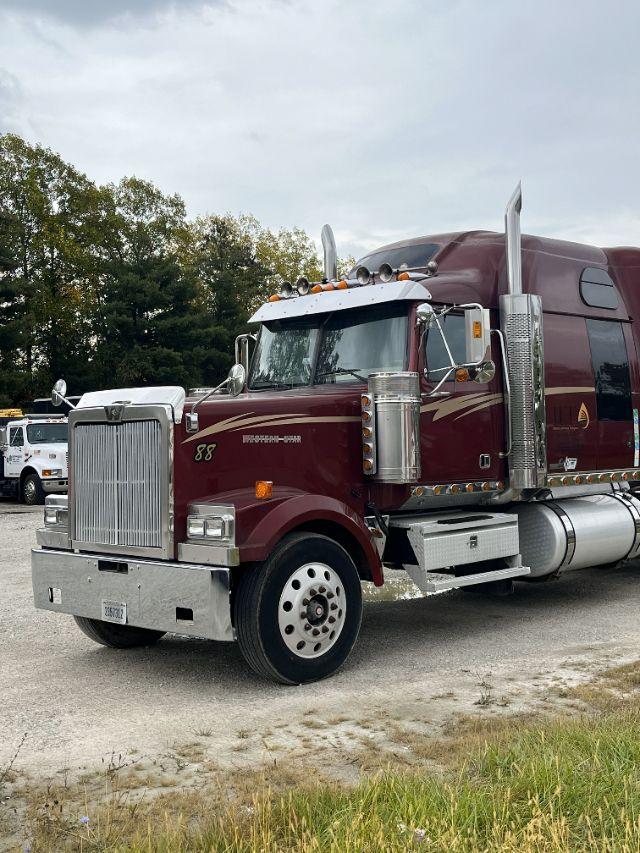
Have used western star lube truck to sell? List it here to reach thousands of buyers.
About Used Western Star Lube Trucks in Indiana
Frequently Asked Questions
What should I look at first when buying a used Western Star lube truck?
Start with the chassis, engine history, and PTO operation before you focus on paint or compartment condition. Verify engine hours if available, transmission type, axle ratings, suspension condition, brake type, and whether the PTO engages smoothly under load. On the lube side, inspect tank integrity, hose reels, metering systems, product pumps, waste oil evacuation, and any signs of cross-contamination between compartments. A clean service body matters, but a reliable powertrain and a sound fluid system matter more.
What fluids and systems are usually included on a lube truck?
Most lube trucks are configured to carry fresh engine oil, hydraulic oil, transmission fluid, gear oil, grease, coolant, diesel exhaust fluid in newer applications, and waste oil recovery. Many also include air compressors, grease systems, used filter storage, hose reels, meters, and work lighting. The exact setup depends on the fleet application. A construction-focused truck may prioritize grease delivery and hydraulic oil capacity, while a mixed fleet service truck may need more product segregation and higher reel count.
Why choose a Western Star chassis for a lube truck?
Western Star chassis are popular in severe-service environments because they are built for rough roads, off-highway travel, and higher body-weight applications. Buyers often like the strong frame options, vocational axle configurations, and durable cab construction. Parts availability and service familiarity can also be an advantage in fleets already running Western Star or Detroit-powered equipment. For a lube truck that spends time on uneven ground and carries a fully loaded service body, that vocational durability is a real factor.
How important is tank capacity on a lube truck?
Tank capacity affects route efficiency, payload, and legal weight. More capacity reduces refill trips, but it also adds weight and can limit where the truck can operate, especially on softer job sites or roads with axle restrictions. The right setup depends on the size of the equipment being serviced, the distance from the shop, and how many product types need to be carried at once. Buyers should compare usable product capacity with axle ratings and the truck's real working payload, not just the advertised tank size.
Are older used lube trucks still a practical buy?
Yes, if the truck has been maintained correctly and the service system still performs as intended. Many older Western Star lube trucks remain productive because the core job is mechanical and vocational rather than technology-dependent. The key is to inspect for corrosion in tanks and plumbing, worn reels, leaking valves, pump performance, PTO reliability, and the overall condition of the chassis. An older truck with a sound frame, strong engine, and functional lube body can still be a cost-effective field service asset.