
Used Freightliner Landscape Trucks For Sale in Florida
Shop used Freightliner landscape trucks in Florida. Compare M2 specs, dump body setups, PTO hydraulics, payload, and landscaping applications.
Learn more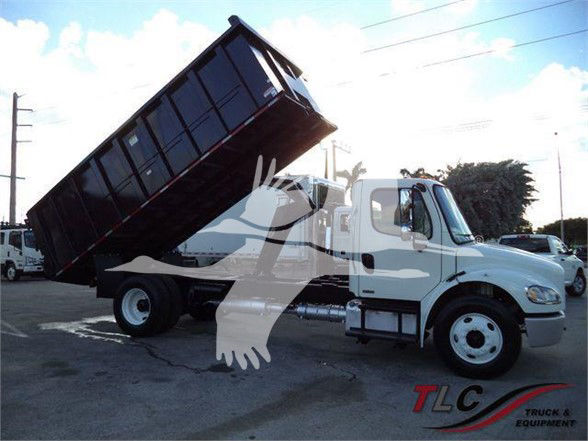
Have used freightliner landscape truck to sell? List it here to reach thousands of buyers.
About Used Freightliner Landscape Trucks in Florida
A Freightliner M2-based landscape truck in Florida often lands in the sweet spot for local and regional commercial work because it balances cab comfort, serviceability, and body capacity. Common specs include a 4x2 drivetrain, automatic transmission, air brakes or hydraulic brakes depending on GVWR, and a Cummins diesel in the 6.7L range. Many used units are set up around the 25,950-lb GVWR class, which can be attractive for operators trying to match licensing, route, and payload needs without stepping into a heavier truck than the job requires. Buyers should pay close attention to body length, side height, hoist condition, floor material, and rear door configuration. An 18-foot steel dump body with 54-inch sides, for example, is well suited for brush, clippings, storm cleanup, and loose landscaping material, but the added steel body weight affects net payload.
The right truck depends on the mix of material you haul and how you unload. For mulch, leaves, and storm debris, cubic capacity and easy cleanout usually matter more than raw tonnage. For sod pallets, hardscape supplies, or towing equipment trailers, you need to look harder at axle ratings, hitch rating, brake controller setup, and overall frame condition. In Florida, corrosion is often less about road salt and more about humidity, coastal exposure, fertilizer contact, and standing moisture trapped under the body or around crossmembers. A careful buyer should inspect the dump subframe, hinge points, hydraulic lines, PTO engagement, rear sill, cab mounts, and the condition of the tarp and door latching hardware. Suspension type also matters because air ride can improve driver comfort and reduce shock to the body, while spring setups may be simpler for some fleets.
Freightliner landscape trucks are popular because parts support is strong, the cab layout is familiar to many drivers and technicians, and the chassis adapts well to vocational bodies. The best used example is usually the one with a body configuration that matches your route density, dump frequency, and material type, not just the newest model year. Focus on service history, engine and transmission pairing, visible hoist wear, and signs of overloading around the frame and body rails. A well-matched used Freightliner landscape truck can cover daily stop-and-go work, seasonal cleanup, and contractor delivery duties with less compromise than a general-purpose dump truck.
Frequently Asked Questions
What is a Freightliner landscape truck used for?
A Freightliner landscape truck is typically used to haul mulch, leaves, brush, grass clippings, storm debris, small equipment, and other bulky landscaping materials. Most are medium-duty dump body trucks with high side panels that increase cubic capacity for lighter loads. They are common in lawn care fleets, tree service operations, municipalities, and property maintenance businesses that need frequent loading and dumping during local route work.
What should I check first on a used Freightliner landscape truck?
Start with the dump body and hydraulic system because those components take the most vocational abuse. Check the PTO operation, hoist lift speed, hydraulic leaks, hinge wear, rear door alignment, latch function, floor rust, and sidewall damage. After that, verify GVWR, axle ratings, engine hours if available, transmission operation, brake condition, and any frame cracking or signs the truck was routinely overloaded.
Is a Freightliner M2 106 a good chassis for a landscape dump body?
The Freightliner M2 106 is a widely used medium-duty chassis for landscape applications because it offers good maneuverability, strong parts availability, and multiple body-upfit options. It is especially well suited for local commercial work where drivers need a comfortable cab, clear sightlines, and a truck that can handle frequent stops. The exact fit still depends on the truck's GVWR, wheelbase, engine, transmission, and how the body was installed.
How do I choose the right body size on a landscape truck?
Choose body size based on the material you haul most often and the space where the truck has to work. Longer bodies and taller sides improve volume for brush, leaves, and mulch, but they can reduce maneuverability and increase empty weight. If your business also handles denser materials or trailer towing, look beyond body dimensions and confirm axle ratings, payload capacity, hitch equipment, and unloading clearance at your dump sites.
Are used landscape trucks in Florida affected by rust or corrosion?
Yes, but the corrosion pattern in Florida can be different from trucks from northern states. Instead of road salt damage, buyers often see corrosion from coastal air, constant humidity, irrigation water, fertilizer exposure, and debris holding moisture against the body and frame. Pay close attention to the dump body floor, underbody crossmembers, electrical connections, hydraulic fittings, and any hidden areas where wet organic material may have sat for long periods.