
Used Western Star Grapple Trucks For Sale in Florida
Browse used Western Star grapple trucks for sale in Florida. Compare loader specs, axle setups, engine options, and refuse applications.
Learn more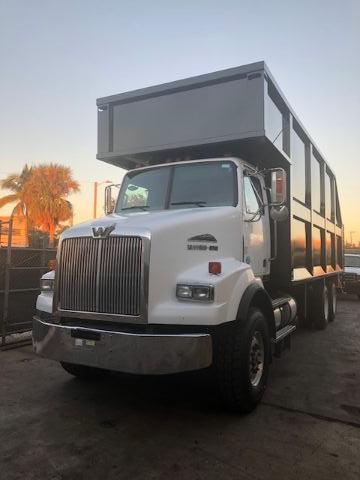
Have used western star grapple truck to sell? List it here to reach thousands of buyers.
About Used Western Star Grapple Trucks in Florida
A grapple truck, sometimes called a refuse grapple truck, trash grapple truck, or debris loader truck, is generally used to pick up bulky waste, vegetation, construction debris, storm material, and large containers that are not practical for rear load or front load refuse units. Common specs include tandem rear axles, double frame rails, PTO-driven hydraulic systems, and grapple loaders from brands such as Rotobec, Petersen, Prentice, or Palfinger/Epsilon. On used units, pay close attention to boom reach, lift capacity, turret wear, hydraulic leaks, cylinder condition, and the relationship between loader placement and body length. A truck with a strong chassis and engine can still become expensive if the grapple has pin and bushing wear, loose rotation, cracked welds, or weak hydraulic performance under load.
Western Star grapple trucks are often equipped with diesel engines in the 400 to 500 horsepower range and transmissions suited for vocational work, including manual, automated manual, or heavy-duty automatic options. In a used Florida truck, cooling system condition, PTO engagement, driveline vibration, and brake performance deserve close inspection because these trucks spend their lives cycling under load rather than cruising at highway speed. Check axle ratings, suspension type, wheelbase, and frame reinforcement against the body and loader combination. A rear hitch, auxiliary hydraulics, outrigger condition, and hoist or dump body operation can also affect how well the truck fits municipal, tree service, land clearing, or private refuse work. If the unit has an extended boom or a larger grapple, verify that the chassis spec supports the working radius without sacrificing durability.
The best used Western Star grapple truck is not just the one with the cleanest cab or the biggest loader. It is the one with a loader, body, axle package, and hydraulic system that match the material stream you haul every day. Brush and storm debris work favors reach and cycle speed. Heavier C&D or mixed bulky waste work demands more attention to payload, body floor condition, suspension, and brake life. For Florida buyers, corrosion is usually less about road salt and more about moisture, waste exposure, and hydraulic system maintenance, so inspect the body, subframe, crossmembers, and wiring for rust, contamination, and repairs. A properly spec'd used Western Star grapple truck can deliver strong service life in municipal fleets, private waste operations, and debris contractors when the chassis and loader have been evaluated as one working system.
Frequently Asked Questions
What should I inspect first on a used Western Star grapple truck?
Start with the loader and hydraulic system, then move to the chassis. Inspect boom pins, bushings, cylinders, hoses, turret rotation, grapple tines, outriggers, and PTO operation under load. After that, check frame condition, suspension, axle ratings, brakes, driveline, and transmission performance. Grapple trucks live hard lives in stop-and-go vocational service, so wear in the boom and hydraulic system can be as important as engine mileage.
Are Western Star trucks a good choice for grapple and debris applications?
Yes. Western Star trucks are commonly chosen for severe-duty vocational work because they are typically built with heavy frames, strong front axle capacity, tandem rear axle configurations, and components suited for high-PTO, off-route operation. That makes them well matched for grapple loaders, debris bodies, and waste applications where the truck must remain stable and durable while handling frequent lifting cycles and uneven loads.
What loader specs matter most on a used grapple truck?
The most important loader specs are reach, lift capacity, mounting position, and hydraulic condition. Reach affects how efficiently the operator can work around piles, containers, and right-of-way debris. Lift capacity determines what materials the truck can handle safely. Loader position changes balance, usable body space, and operator workflow. On a used truck, overall condition matters just as much as published specs, so check for leaks, cracked welds, excessive pin wear, and slow or weak boom movement.
Is a tandem axle Western Star grapple truck better than a single axle?
For most debris, refuse, and bulky waste applications, tandem axle trucks offer better payload capacity, stability, and chassis durability. They are especially useful when the truck carries a larger loader, longer body, or heavier mixed material. A single axle can work for lighter municipal brush routes or tighter urban service, but tandem axle Western Star grapple trucks are generally preferred for heavier vocational use and more demanding duty cycles.
What matters most for buyers in Florida looking at used grapple trucks?
Florida buyers should pay close attention to cooling system performance, hydraulic system condition, brake life, and body corrosion from moisture and waste exposure. These trucks often work in high heat, frequent rain, and stop-and-go conditions tied to storm cleanup, vegetation collection, and bulky waste routes. Tire condition, air system health, and electrical integrity also matter because downtime in a grapple application usually comes from vocational wear points rather than simple highway mileage.