
Used Gasoline - Fuel Trucks For Sale
Browse used gasoline and fuel trucks with common tank sizes, pump systems, compliance features, and service applications buyers need to compare.
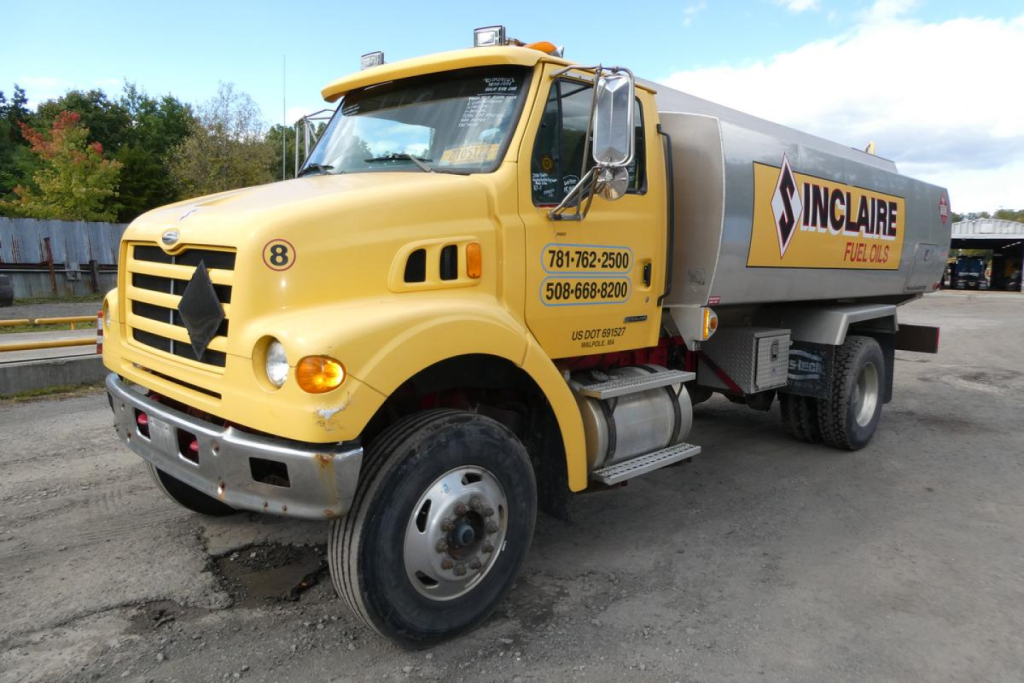
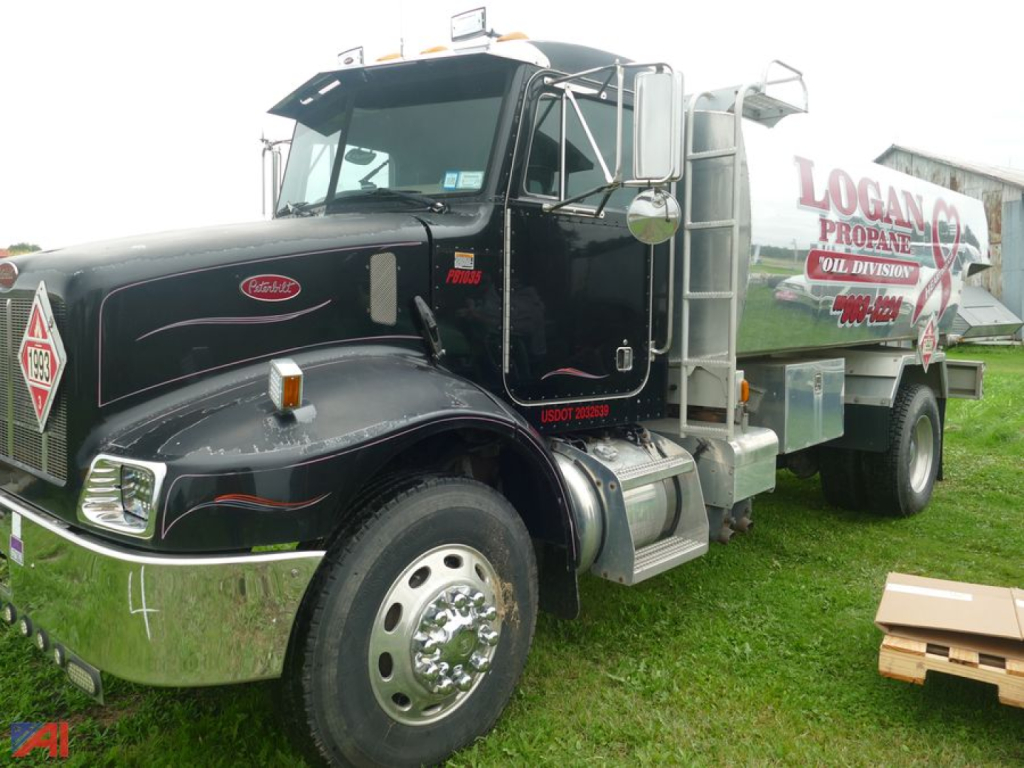
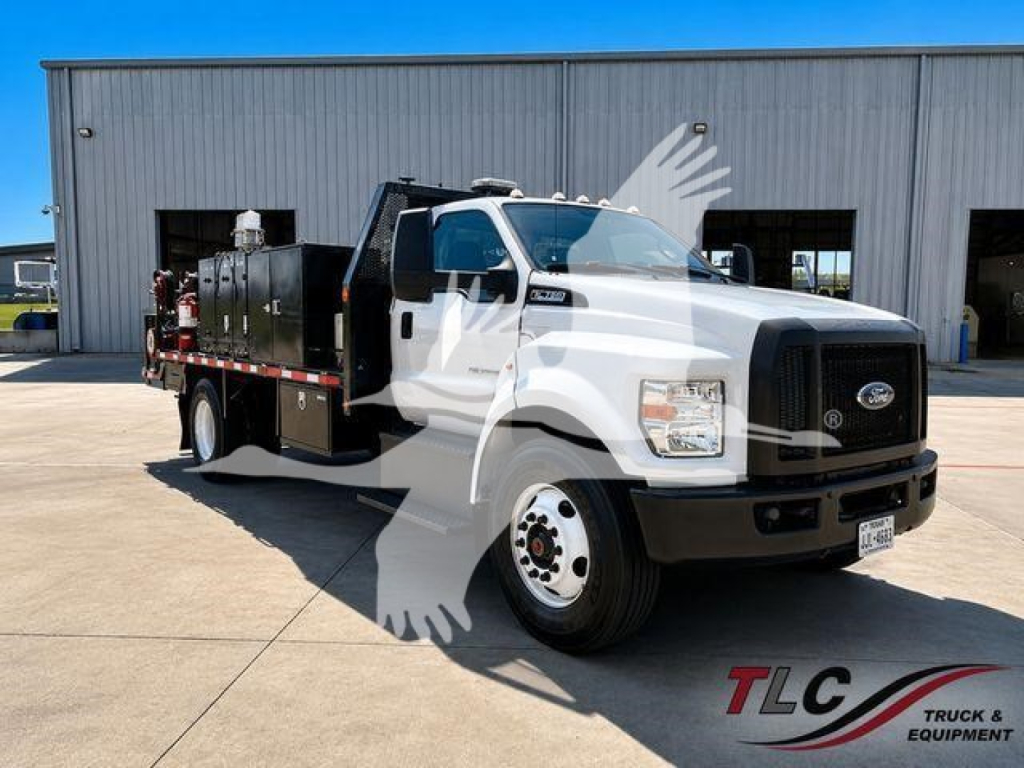
Selling a used gasoline - fuel truck? List your used gasoline - fuel truck for sale and reach thousands of commercial buyers.
Used Gasoline - Fuel Trucks
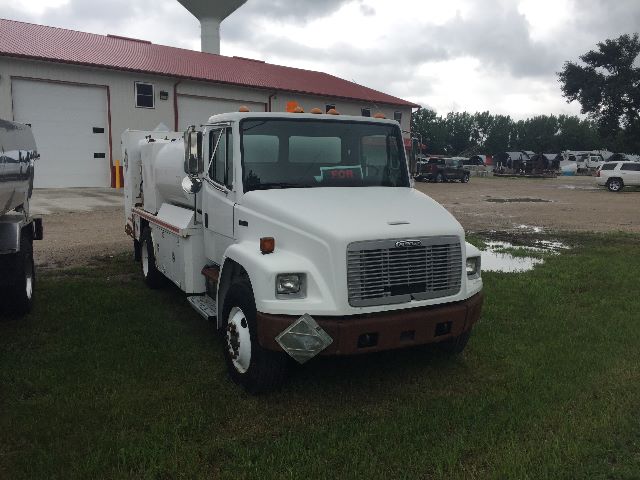
The chassis matters as much as the tank package. Medium-duty platforms such as Freightliner FL-series, International 4000-series, and similar models are common in the used market because they balance payload, maneuverability, and service access. Look closely at engine hours versus miles, especially on airport, municipal, and private fleet trucks that may have spent long periods idling or operating PTO-driven pump systems. Transmission type, axle rating, brake configuration, wheelbase, and suspension all affect how well the truck carries a full load and how easily it works in tight yards, job sites, or ramps.
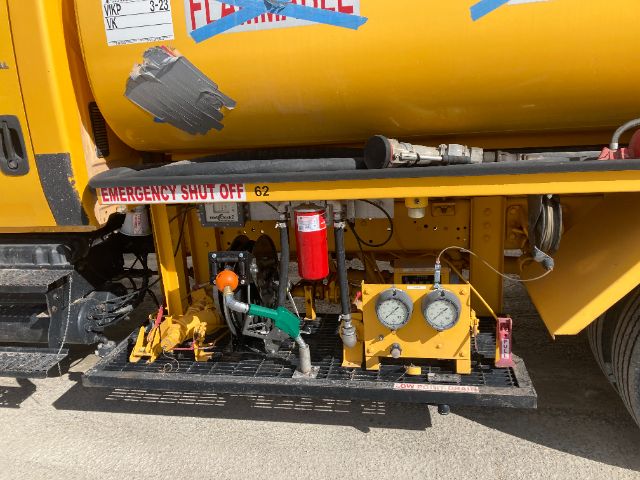
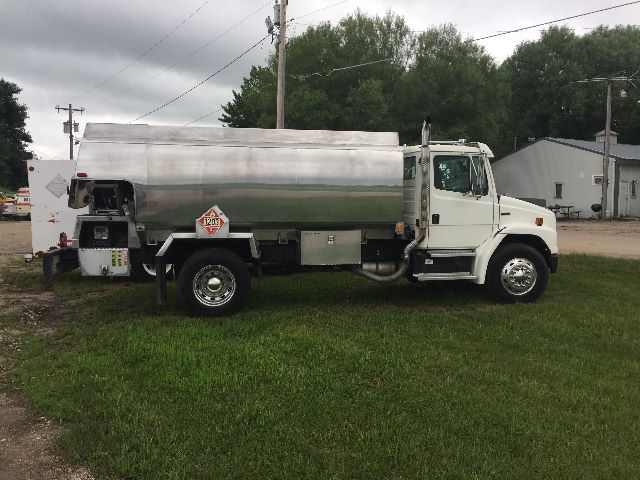
Tank and dispensing equipment condition is where buyers should spend extra time. Check the tank data plate, compartment layout, internal baffling, sump design, and the current status of DOT cargo tank inspections if the unit is used on-road in regulated service. Pumps, meters, filters, hose reels, emergency shutoffs, overfill protection, vents, nozzles, and loading or unloading controls should be evaluated as a system, not as individual parts. On older used fuel trucks, corrosion in the tank, worn seals, outdated meters, and neglected plumbing can turn a low-mile truck into a high-cost project. If the truck was used for aviation or specialty fueling, verify compatibility of filters, hoses, nozzle hardware, and cleanliness standards with the fuel you plan to haul.
A good used gasoline or fuel truck is defined by compliance, service history, and application fit more than model year alone. Buyers should confirm whether the truck is spec'd for local fleet fueling, construction support, fuel and lube service, or highway cargo transport, because each role calls for different tank certifications, dispensing rates, and safety equipment. A unit with documented inspections, legible tank labeling, functional meters, and a clean maintenance record will usually outperform a cheaper truck with unknown testing status. When comparing listings, focus on usable tank capacity, pumping performance, hose and reel condition, chassis GVWR, and the regulatory requirements for the state and product you plan to serve.
Frequently Asked Questions about Used Gasoline - Fuel Trucks
What should I check first on a used gasoline or fuel truck?
Start with the tank and compliance records. Verify the tank data plate, product compatibility, compartment configuration, and any required DOT cargo tank inspection status. After that, inspect the pump, meter, hoses, reel, emergency shutoff system, and plumbing for leaks, corrosion, or obsolete components. On the chassis side, compare mileage, engine hours if available, PTO operation, brake condition, axle ratings, and maintenance history. A sound chassis does not make up for a tank system that is out of test or poorly maintained.
Are gasoline fuel trucks different from diesel fuel trucks?
Yes. Gasoline service generally requires stricter attention to ignition protection, bonding and grounding, vapor control, and component compatibility because gasoline is more volatile than diesel. Tanks, pumps, nozzles, seals, and electrical equipment must be appropriate for the fuel carried. Some used trucks are configured primarily for diesel or mixed fuel and lube service, so buyers should confirm the exact tank specification and dispensing hardware before putting a unit into gasoline service.
What tank size is common on a used fuel truck?
Used fuel trucks are found in a wide range of capacities depending on the application. Smaller fleet and jobsite trucks may carry around 1,000 to 2,000 gallons, while larger highway-oriented units can be spec'd for significantly more, subject to axle ratings and legal weight limits. The right size depends on route length, delivery volume, site access, and whether the truck needs multiple compartments for different products.
How important are miles on a used fuel truck?
Miles matter, but they are only part of the picture. Many fuel trucks spend substantial time idling, operating PTO equipment, or working in low-speed environments such as airports, yards, and service sites. A low-mile truck can still have heavy pump use, tank wear, and age-related hose or seal issues. Buyers should weigh miles alongside engine hours, pump condition, inspection history, and overall maintenance documentation.
Can a used fuel truck be used for aviation, construction, or municipal fueling?
It can, but only if the truck's tank system and dispensing equipment match the application. Aviation fueling may require specific filtration, hose, nozzle, and cleanliness standards. Construction and municipal fueling often emphasize durability, mobile access, and straightforward bulk dispensing. The safest approach is to match the truck's original design and current certification status to the fuel type, flow requirements, and regulatory standards of your operation.