
Used Freightliner Gasoline - Fuel Trucks For Sale in Iowa
Browse used Freightliner gasoline and fuel trucks for sale in Iowa. Compare tank, pump, hose reel, PTO, and chassis specs for service and fuel delivery.
Learn more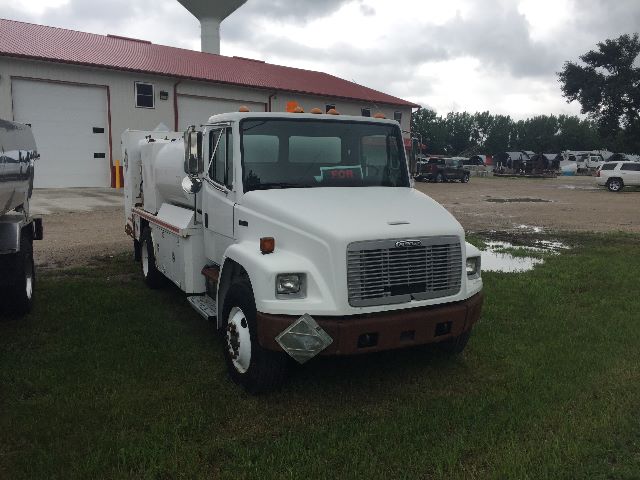
Have used freightliner gasoline - fuel truck to sell? List it here to reach thousands of buyers.
About Used Freightliner Gasoline - Fuel Trucks in Iowa
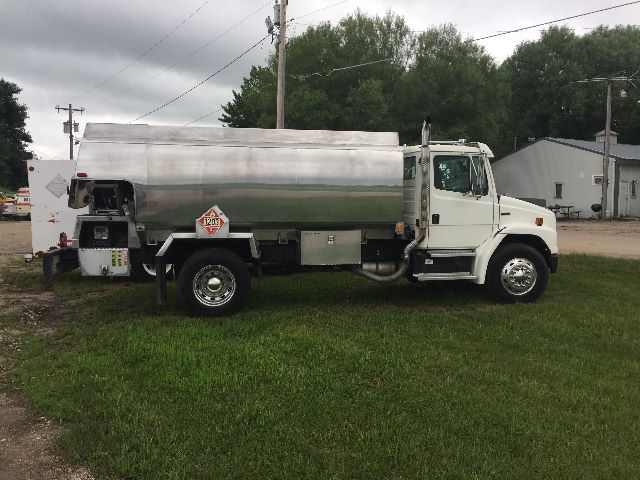
On a used fuel truck, the tank package is the first place to look closely. Check whether the body is a single-product or multi-compartment setup, and confirm if it is configured strictly for gasoline or as a fuel and lube truck with separate product tanks, reels, meters, and waste oil recovery. Pump type, PTO operation, hose length, nozzle condition, meter accuracy, filtration, and grounding equipment all affect field performance and compliance. Many older Freightliner fuel trucks were spec'd for off-road or private fleet use, so buyers in Iowa should verify DOT requirements, hazmat needs, emergency shutoff equipment, placarding, and current tank testing before putting a truck into regular service.
The chassis side matters just as much on a Freightliner. FL-70 trucks are known for straightforward serviceability, good visibility, and practical vocational layouts, but condition is everything on older used units. Pay attention to engine hours if the truck has extensive PTO use, transmission operation at low speed, brake condition, suspension wear, tire age, frame corrosion, and any signs of fuel seepage around the tank saddles, plumbing, or pump cabinet. Wheelbase, axle rating, and turning radius also matter if the truck will be used around farms, job sites, or tight yards where a shorter, more maneuverable fuel truck can save time every day.
Iowa buyers often shop this category for on-site fueling of equipment, support of farm operations, and mobile maintenance service across rural routes. That makes reliability and ease of repair especially important. A used Freightliner gasoline-fuel truck can be a practical choice when the chassis has been maintained well and the tank equipment matches the intended application. The right unit is less about model year and more about legal capacity, pump-and-meter condition, compartment design, and how well the truck’s spec fits the fueling volume, travel distance, and site access your operation actually sees.
Frequently Asked Questions
What should I inspect first on a used Freightliner gasoline-fuel truck?
Start with the tank and dispensing system before the chassis cosmetics. Confirm total gallon capacity, compartment layout, pump operation, PTO engagement, hose reel function, nozzle condition, meter readout, valves, and shutdown controls. After that, inspect the truck for frame corrosion, brake wear, tire age, suspension condition, and any signs of leaks around the tank, plumbing, and pump cabinet. On older Freightliner FL-70 units, service records and evidence of regular tank maintenance are especially important.
Are Freightliner FL-70 trucks a common choice for fuel and lube service?
Yes. The Freightliner FL-70 is a well-known medium-duty chassis in fuel and lube applications because it offers a workable balance of GVWR, maneuverability, and vocational upfit flexibility. Many were built for agriculture, construction, and fleet service work where operators needed diesel, gasoline, lubricants, and service tools on one truck. The exact usefulness depends on the body spec, not just the chassis badge, so buyers should verify what products the truck is set up to carry and dispense.
Do I need to verify compliance before putting a used gasoline-fuel truck to work in Iowa?
Yes. Compliance should be checked before purchase and again before use. A used gasoline-fuel truck may need current tank testing, proper placards, emergency shutoffs, bonding or grounding equipment, compliant meters, and documentation that matches the intended use. Requirements can vary based on whether the truck is used on public roads, private property, or as part of a hazmat-regulated operation. Buyers should confirm state, federal, and local requirements with the appropriate agencies or compliance professionals.
What is the difference between a gasoline-fuel truck and a fuel and lube truck?
A gasoline-fuel truck is generally configured to carry and dispense fuel, sometimes from one tank and sometimes from multiple compartments. A fuel and lube truck adds service capability by carrying lubricants, grease, DEF, waste oil, air, and tools for field maintenance. Some used Freightliner units in this category may be described as fuel trucks even though they are actually combination fuel and lube bodies, so it is important to verify the exact tank and service equipment setup.
Which specs matter most for a used fuel truck working on farms or job sites?
The most important specs are tank capacity, compartment count, pump output, hose reel reach, wheelbase, axle ratings, and overall truck maneuverability. For rural Iowa use, buyers should also consider how easy the truck is to service, how far it will travel between fueling stops, and whether the chassis can handle rough yard and field entrances without excessive wear. A truck with the right turning radius and a dependable pump system is often more valuable in daily use than a higher-capacity unit that is cumbersome to operate.