
Used Ford Garbage Trucks For Sale in Other
Shop used Ford garbage trucks, including F-Series chassis options, with guidance on body type, GVWR, PTO setup, packer condition, and route fit.
Learn more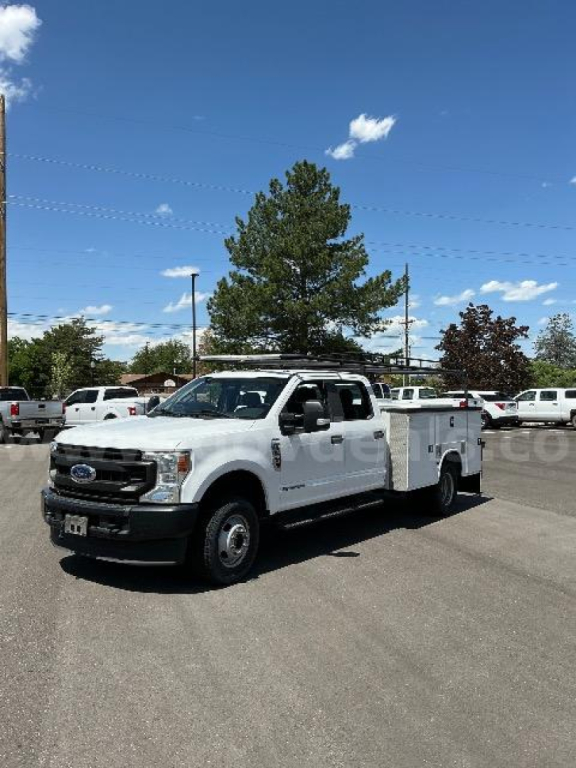
Have used ford garbage truck to sell? List it here to reach thousands of buyers.
About Used Ford Garbage Trucks in Other
The first buying decision is usually chassis class and body style. A Ford F-350 or F-550 garbage truck is often used for smaller refuse routes, parks departments, bulk pickup, recycling support, or property maintenance work where a full-size residential packer would be too large. Pay close attention to GVWR, rear axle rating, wheelbase, and PTO compatibility, since those specs determine what body can be carried and how well the truck will hold up under repeated loading cycles. If the truck has a packer body, check hopper size, packer blade condition, hydraulic cylinder seals, control function, and tailgate fit. If it is set up more like a dump or debris hauler, look closely at hoist performance, floor condition, sidewall damage, and signs of hard loading around the body mounts.
On used Ford refuse trucks, drivetrain condition matters as much as body condition because garbage work is hard on transmissions, brakes, suspension, and steering components. Stop-and-go service, frequent PTO engagement, idle time, and heavy rear weight bias can accelerate wear. Buyers should review engine hours if available, not just odometer miles, and inspect for frame corrosion, spring sag, hydraulic leaks, and uneven tire wear that may point to front end or axle issues. Cab rust, warning lights, backup camera operation, and interlock systems also deserve attention, especially on trucks that worked in municipal fleets where safety equipment is part of daily operation.
A well-matched used Ford garbage truck can be a practical choice for contractors, small sanitation operations, campuses, HOA service, and public works departments that need maneuverability more than maximum payload. Ford-based refuse units are especially useful where tighter streets, alleys, parking lots, or mixed-use routes make a smaller truck more efficient than a full-size tandem axle packer. The best listings in this category are the ones that clearly show body manufacturer, hydraulic setup, axle ratings, service history, and actual route-ready condition, because those details tell you far more than model year alone.
Frequently Asked Questions
What should I look for first when buying a used Ford garbage truck?
Start with the chassis rating and the body type. The truck must be matched to the route, the material being hauled, and the payload you expect to carry. On a used Ford garbage truck, confirm GVWR, axle ratings, wheelbase, PTO setup, and body manufacturer before focusing on cosmetics. Then inspect the hydraulic system, packer or hoist operation, frame condition, and signs of rear suspension fatigue, because those areas take the most abuse in refuse service.
Are Ford F-Series trucks suitable for garbage and refuse work?
Yes, especially in lighter-duty and medium-duty refuse applications. Ford F-Series chassis are commonly used for compact garbage bodies, recycling units, dump-style debris bodies, and municipal cleanup trucks. They are often a good fit for narrow streets, parks, apartment complexes, and specialty routes where a larger front loader or full-size rear loader would be oversized. The key is making sure the chassis capacity and PTO system are appropriate for the installed body.
Why do engine hours matter on a used garbage truck?
Garbage trucks spend a lot of time idling, creeping between stops, and operating hydraulic equipment through the PTO. A truck can show moderate mileage but still have very high engine hours and significant wear. Engine hours help buyers understand the true duty cycle of the truck. High idle time can affect the engine, cooling system, emissions components, and PTO-driven hydraulic performance, so hours should be considered along with maintenance records and mileage.
What body and hydraulic components are most important to inspect?
On a refuse body, inspect the hopper, packer blade, tailgate seals, hinges, cylinders, hoses, valve controls, and body floor for cracks, corrosion, or weld repairs. If the truck uses a dump or debris body instead of a packer, inspect the hoist, pivot points, body mounts, and floor crossmembers. Hydraulic leaks, slow cycle times, and uneven packing or lifting performance can point to expensive repairs. A strong used truck should show smooth hydraulic function and solid body structure, not just a clean cab.
Is a used Ford garbage truck a good choice for small fleets or municipal departments?
In many cases, yes. A used Ford garbage truck can be a cost-effective option for public works departments, campuses, contractors, and smaller sanitation operators that need a maneuverable chassis with widely available service support. Ford-based units are often easier to place into mixed-use duty than heavier refuse trucks, especially when the route includes residential streets, alleys, or non-CDL applications. The best value usually comes from a truck with a clear service history, a body that matches the job, and a chassis that has not been overloaded.