
Ford Garbage Trucks For Sale
Browse Ford garbage trucks for refuse collection, municipal service, and route work. Compare body types, GVWR, cab layouts, and PTO setups.
Learn more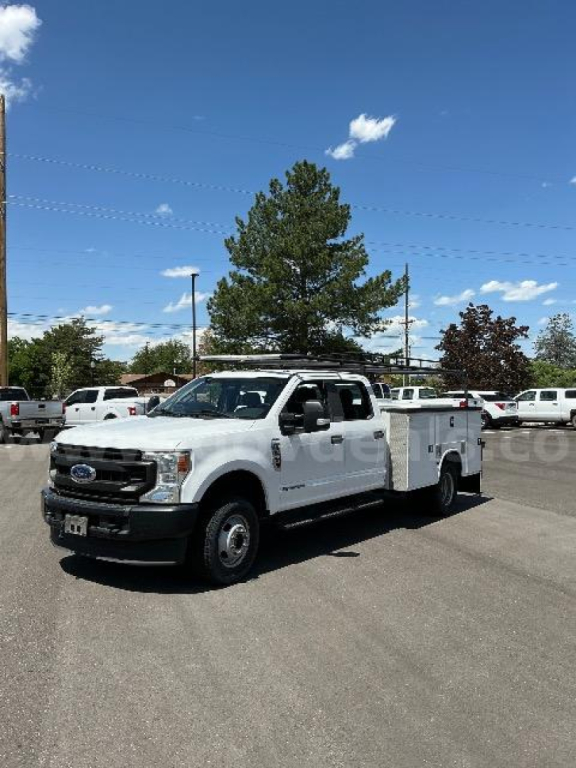
Have ford garbage truck to sell? List it here to reach thousands of buyers.
About Ford Garbage Trucks
For refuse work, the important specs are usually GVWR, axle ratings, wheelbase, engine and transmission pairing, PTO compatibility, and the type of hydraulic system already installed. Buyers should pay close attention to whether the truck carries a rear-loader, side-loader, grapple, tipper, mini packer, or dump insert, because body configuration determines route efficiency far more than cab trim. Ford chassis are common in government and contractor fleets because parts support is broad and service familiarity is strong. On used units, body condition matters as much as the truck itself. Check hopper floors, packer rails, hydraulic lines, cylinder seals, tailgate locking systems, and corrosion around the body mounts and rear crossmembers.
Cab and driveline choices also affect how a Ford garbage truck performs in daily service. Regular cab trucks are common on short urban routes where maneuverability matters, while crew cab units may be used by public works departments that transport additional personnel. Four-wheel drive can be valuable for rural collection, transfer station access, alleys, and winter conditions, especially on lighter-duty Ford chassis. Diesel and gas powertrains both appear in this segment, and the right choice usually comes down to annual mileage, idle time, maintenance practices, and local technician support. Tight turning radius, visibility, and brake condition are especially important on sanitation trucks because of the constant stopping, backing, and curbside operation.
A good Ford garbage truck should be evaluated as a complete working system, not just a cab and chassis with miles on the odometer. Verify legal payload against the installed body, inspect PTO engagement under load, and confirm the compaction or dumping functions operate smoothly through a full cycle. Maintenance records are valuable because refuse trucks live hard lives with heavy hydraulic use, frequent starts and stops, and exposure to moisture and corrosive waste. Buyers comparing listings should focus on route fit, body integrity, and service history first, then engine, mileage, and cab configuration.
Frequently Asked Questions
What Ford models are commonly used as garbage trucks?
Ford garbage trucks are commonly built on F-Series chassis such as the F-350, F-450, and F-550, along with medium-duty Ford platforms in heavier applications. The right model depends on the body installed, the payload target, and how demanding the route is. Light municipal collection, park service, and apartment waste work often fit an F-350 or F-450, while denser refuse routes and larger compaction bodies usually require a higher-rated chassis.
What should I inspect first on a used Ford garbage truck?
Start with the refuse body and hydraulic system before focusing on cab cosmetics. Inspect the hopper, packer mechanism, cylinders, hoses, PTO operation, tailgate seals, body mounts, and any rust-prone structural areas. Garbage trucks experience constant shock loading, moisture exposure, and corrosive material contact, so a solid chassis with a worn-out body can become more expensive than a higher-mile truck with a well-maintained packer body.
Is a gas or diesel Ford garbage truck better for refuse work?
Neither is automatically better. A gas Ford garbage truck can make sense for lighter-duty local routes, lower annual miles, and fleets that want simpler emissions systems. A diesel setup may be preferred for heavier payloads, higher annual usage, and longer service life under demanding route conditions. The better choice depends on body weight, idle time, technician familiarity, and total maintenance cost over the truck's expected duty cycle.
Does 4x4 matter on a Ford garbage truck?
Four-wheel drive is not required for every refuse application, but it can be valuable in rural service, unpaved access roads, transfer stations, snow conditions, and steep alleys. On lighter Ford garbage trucks, 4x4 can improve access and reduce downtime in bad weather. Buyers should balance that benefit against added weight, higher maintenance complexity, and potentially reduced payload capacity.
How important is PTO setup on a Ford garbage truck?
PTO setup is critical because it powers the hydraulic functions that run the compactor, tipper, or dump system. Buyers should confirm the PTO engages correctly, the hydraulic pump operates smoothly, and the body cycles fully without hesitation or abnormal noise. A refuse truck with drivetrain issues can sometimes be repaired conventionally, but a mismatched or poorly functioning PTO and hydraulic package can create expensive downtime and difficult troubleshooting.