
Used Hino Flatbed Trucks For Sale in New York
Browse used Hino flatbed trucks in New York. Compare medium-duty specs, payload capacity, deck sizes, diesel engines, and body setups.
Learn more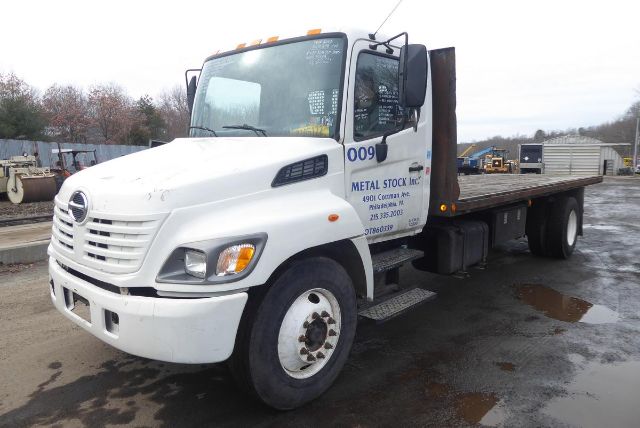
Have used hino flatbed truck to sell? List it here to reach thousands of buyers.
About Used Hino Flatbed Trucks in New York
For this category, body layout matters as much as the chassis. Buyers should pay close attention to bed length, cab-to-axle measurement, and overall wheelbase because those numbers determine what body can be mounted and how the truck carries weight. Common features on used Hino flatbeds include wood or steel floors, rub rails, stake pockets, tie-down ratchets, bulkheads or headache racks, and either plain decks or removable side kits. If the truck will handle dense loads like masonry, steel, or bundled lumber, rear axle rating, suspension capacity, and brake type deserve a close look. Tire size, rear gear ratio, and transmission choice also affect how well the truck launches under load and how comfortable it is in stop-and-go city work versus longer regional routes.
Hino has a strong reputation in medium-duty applications because of durable diesel powertrains, straightforward serviceability, and driver-friendly cab design. On used units, condition is usually judged by engine hours, mileage, frame condition, rust exposure, PTO or hydraulic history if equipped, and the condition of the flatbed itself. In New York, corrosion can be a deciding factor, so inspect crossmembers, body mounts, brake lines, electrical connections, and the underside of the deck. Air brakes versus hydraulic brakes, single-frame versus double-frame construction, and CDL implications based on GVWR should also be part of the buying decision, especially if the truck will move between borough deliveries, suburban supply yards, and upstate job sites.
The best used Hino flatbed truck is the one matched to the load profile, not just the lowest price point. A longer deck helps with dimensional freight and mixed deliveries, but a shorter wheelbase can be easier to place in tight urban streets and crowded jobsites. Buyers comparing listings should focus on payload after body weight, body condition, securement setup, and whether the truck has the axle capacity and gearing for the work it will actually do. A well-spec'd Hino flatbed can serve as a reliable platform for contractors, landscape suppliers, rental fleets, utility support, and local delivery operations that need open-deck flexibility with medium-duty operating costs.
Frequently Asked Questions
What should I look for first on a used Hino flatbed truck?
Start with the chassis rating and the flatbed dimensions. GVWR, rear axle capacity, wheelbase, and cab-to-axle measurement determine what the truck can legally and safely carry. After that, inspect the bed floor, rub rails, stake pockets, headache rack, tie-down equipment, and frame condition. On New York trucks, rust at crossmembers, brake lines, mounts, and underbody components is especially important because corrosion can turn an otherwise good medium-duty truck into an expensive repair project.
Are Hino flatbed trucks good for city and regional delivery work?
Yes. Hino flatbed trucks are widely used in medium-duty local and regional service because they balance maneuverability, diesel durability, and payload capability. They work well for building materials, palletized freight, equipment transport, and contractor deliveries. The right setup depends on route density and load type. Shorter wheelbases are easier in tight city environments, while longer wheelbases and decks give better cargo flexibility for regional work and larger mixed loads.
What body features are most useful on a flatbed truck?
The most useful body features depend on the freight, but buyers usually want a strong deck floor, secure tie-down points, rub rails, stake pockets, and a sturdy headache rack. Side kits can help with loose material or lighter bulk cargo, while an open plain deck is better for forklifts and odd-shaped freight. Wood floors are common and easy to repair, while steel floors may hold up better in severe-duty applications. Buyers hauling machinery or dense materials should also confirm the body subframe and mounting points are appropriate for the load.
Do used Hino flatbed trucks usually require a CDL?
Not always. CDL requirements depend on the truck's GVWR, GCWR if towing, brake setup, and how the truck is operated. Many medium-duty Hino flatbeds fall into configurations that can be used without a CDL, but others may cross licensing thresholds depending on the exact chassis rating and local or federal operating rules. Buyers should verify the door tag ratings and intended use before purchase, especially if the truck will be used across different jurisdictions or with trailers.
How important is transmission and rear gear ratio on a flatbed truck?
It matters more than many buyers expect. A flatbed truck that regularly carries heavy loads benefits from gearing that improves launch, gradeability, and low-speed drivability. A manual or automated transmission paired with the right rear ratio can make a big difference in city stops, loading docks, and jobsite access. If the truck spends more time at highway speed with lighter loads, a faster ratio may reduce engine rpm and improve fuel economy. The right combination should match the truck's actual cargo weight and route profile.