
Used Ford Flatbed Trucks For Sale in Arizona
Browse used Ford flatbed trucks for sale in Arizona. Compare bed setups, GVWR, cab styles, engines, towing features, and work-ready options.
Learn more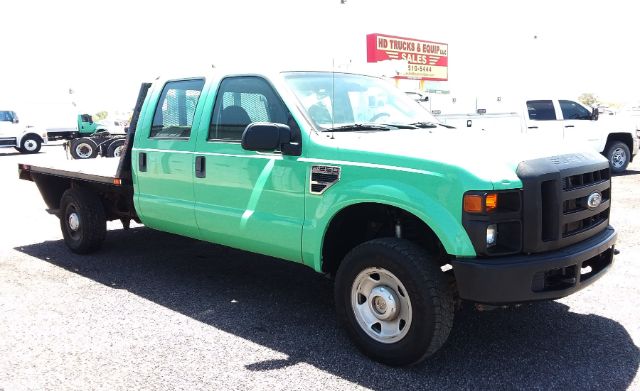
Have used ford flatbed truck to sell? List it here to reach thousands of buyers.
About Used Ford Flatbed Trucks in Arizona
One of the first decisions is matching the chassis and bed to the work. A lighter-duty used Ford flatbed truck may be set up with a steel or aluminum platform body, stake pockets, headache rack, receiver hitch, and gooseneck or fifth-wheel prep for trailer work. Buyers should look closely at GVWR, rear axle rating, suspension condition, wheelbase, and deck length, since those factors determine how well the truck handles payload, towing, and maneuverability. Diesel powertrains are common for higher-mileage commercial use and heavier towing, while gas V8 trucks can make sense for local fleets that want simpler maintenance and lower upfront cost. Four-wheel drive is also a major value point in this category, especially for off-pavement access, rural property work, and mixed terrain.
On a used Ford flatbed, body condition matters as much as engine and transmission condition. Check the deck for rust, cracked welds, bent crossmembers, worn tie-down points, and uneven wear from forklift loading. A good flatbed setup may include recessed gooseneck ball mounts, rub rails, toolboxes, backup camera systems, work lights, and trailer brake controls. If the truck will spend time in urban delivery or service work, turning radius, cab visibility, and bed height are worth weighing against raw carrying capacity. Arizona buyers should also pay attention to sun exposure on paint, upholstery, wiring, and seals, since long-term heat can age components even on lower-mileage trucks.
Ford flatbed trucks also appeal to buyers who want one truck to cover several roles. The platform body supports easy side loading and rear loading, and it can often be adapted with removable side rails, racks, or specialty mounts for trade-specific use. For many fleets, a used Ford flatbed hits the middle ground between a pickup and a dedicated medium-duty work truck, giving better cargo flexibility than a standard bed while keeping service, parts support, and driver familiarity straightforward.
Frequently Asked Questions
What should I look for when buying a used Ford flatbed truck?
Start with the truck’s intended payload and towing requirements, then verify that the GVWR, axle ratings, suspension, and bed design match the job. On a used flatbed, inspect the platform body for rust, damage, poor repairs, and wear around tie-down points, hitch areas, and crossmembers. Also review engine service history, transmission operation, brake condition, tire wear, and signs of frame stress or overload use. If the truck has a gooseneck ball, receiver hitch, or trailer brake controller, confirm those components were installed correctly and are rated for the work you plan to do.
Are Ford F-250 and F-350 flatbed trucks good for towing equipment and trailers?
Yes, but the right choice depends on trailer weight, tongue weight, and how much payload you need to carry on the bed at the same time. A Ford F-250 flatbed can work well for lighter equipment, smaller utility trailers, and general contractor use. An F-350 is usually the better fit when towing is more frequent or when the truck needs additional payload margin and rear suspension capacity. Buyers should compare axle ratios, hitch setup, tow package equipment, and brake controller integration instead of judging by model badge alone.
Is a gas or diesel Ford flatbed better for commercial use?
A gas Ford flatbed often makes sense for local routes, lower annual miles, and buyers focused on lower acquisition cost and simpler maintenance. A diesel Ford flatbed is typically preferred for heavier towing, higher mileage, and applications where low-end torque matters. The best choice comes down to operating pattern, service budget, idle time, and trailer use. On the used market, condition and maintenance history are often more important than fuel type by themselves.
What flatbed features add the most value on a used Ford truck?
The most useful features depend on the job, but buyers usually place strong value on headache racks, stake pockets, rub rails, integrated tie-downs, toolboxes, work lighting, and trailer-ready equipment such as a receiver hitch or recessed gooseneck ball. Four-wheel drive, crew cab seating, and an all-steel bed can also be important for field work and mixed-use operations. The best value comes from a flatbed configuration that reduces the need for immediate upfitting after purchase.
Are used Ford flatbed trucks a good fit for Arizona operations?
They can be an excellent fit because the open deck is useful for construction materials, ranch supplies, equipment transport, and service-body alternatives in dry climates and wide-open work areas. Arizona buyers should still inspect for heat-related wear, faded interior materials, brittle seals, and electrical aging from prolonged sun exposure. Dust, off-road use, and trailer work can also affect suspension, steering, and bed condition, so a thorough mechanical and body inspection remains important even when rust is minimal.