
Used Sterling Dump Trucks For Sale in Pennsylvania
Browse used Sterling dump trucks for sale in Pennsylvania. Compare axle setups, GVWR, dump body specs, plow prep, and vocational features.
Learn more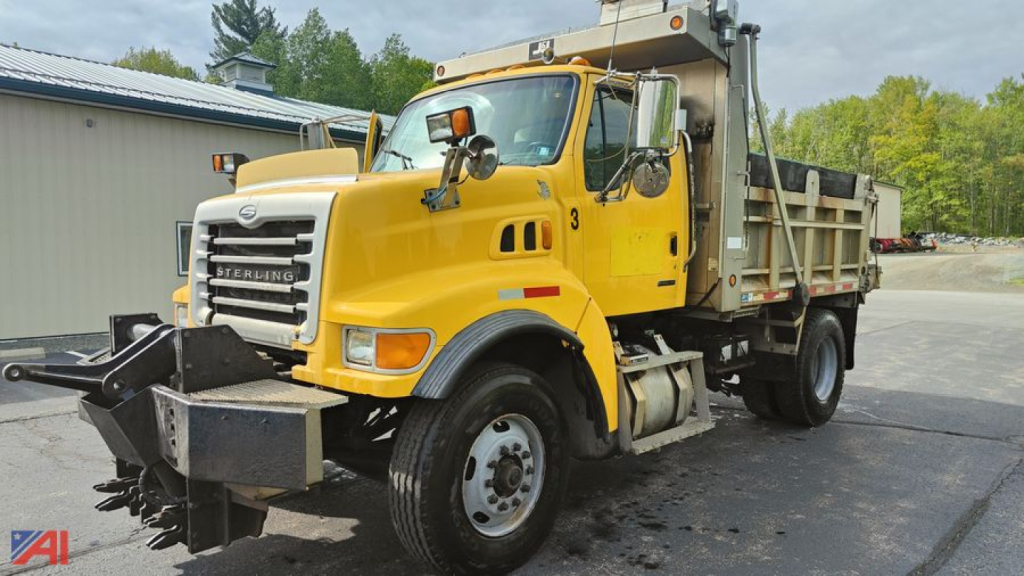

Have used sterling dump truck to sell? List it here to reach thousands of buyers.
About Used Sterling Dump Trucks in Pennsylvania
The first decision is usually axle configuration and gross weight rating. A single-axle Sterling dump truck can be a good fit for local material delivery, patch crews, salt spreading, and tighter jobsite access, while tandem-axle configurations are better suited for heavier payloads and more demanding construction work. Buyers should look closely at body length, side height, hoist type, frame condition, suspension spec, and PTO operation. On a used dump truck, the body and hydraulic system matter as much as the engine and transmission. Check for floor wear, crossmember corrosion, hinge wear, cylinder leaks, tailgate function, and any signs that the dump body has been overloaded or twisted.
Pennsylvania buyers should pay special attention to rust, especially on trucks that have seen winter road salt service with plows or spreaders. A Sterling dump truck used for municipal or snow work may have valuable equipment such as a front plow mount, central hydraulics, wing-plow controls, or a combination dump-spreader body, but those systems need to be inspected carefully. Frame rails, cab mounts, brake lines, wiring, and the underside of the body deserve extra scrutiny. If the truck has a diesel engine from Caterpillar, Cummins, or Mercedes-Benz, service history, emissions equipment configuration, and cold-weather starting behavior are all worth verifying before purchase.
Sterling dump trucks are typically bought for function first, so the best value usually comes from matching the truck's spec to the job. A shorter wheelbase improves maneuverability in urban streets and residential work, while a longer wheelbase and heavier suspension package support larger bodies and payload stability. Common buyer checkpoints include transmission type, rear axle ratio, locking differential, brake setup, tire condition, pintle or trailer connections, and the condition of the hoist, controls, and PTO. When the chassis, hydraulics, and body are all aligned with the intended application, a used Sterling dump truck can still be a dependable vocational asset.
Frequently Asked Questions
What should I inspect first on a used Sterling dump truck?
Start with the frame, dump body, and hydraulic system. On a vocational truck, body condition, hoist operation, PTO engagement, tailgate function, and structural rust are just as important as engine performance. Pay close attention to floor wear, hinge points, cylinder leaks, and any cracking or repairs around the body mounts and frame rails. In Pennsylvania, corrosion from road salt can be a bigger issue than mileage alone.
Are Sterling dump trucks still practical to own even though Sterling is discontinued?
Yes, many Sterling dump trucks are still practical fleet units because they were built with widely known vocational components and share parts commonality with other Daimler-related truck platforms. The key is to evaluate the specific engine, transmission, axles, and hydraulic components on the truck rather than focus only on the badge. Parts access and service familiarity are usually better when the truck has common driveline and body equipment.
Is a single-axle or tandem-axle Sterling dump truck better for Pennsylvania work?
It depends on the application and legal payload needs. Single-axle dump trucks are often better for local hauling, municipal work, plowing, and jobsites with limited space. Tandem-axle dump trucks are better for heavier aggregate, excavation, paving support, and higher-capacity hauling. Buyers should match axle count, wheelbase, and suspension rating to the material being hauled and the roads the truck will run most often.
What engine and drivetrain details matter most on a used Sterling dump truck?
Focus on engine make, horsepower, torque rating, transmission type, rear axle ratio, and PTO compatibility. A dump truck needs the right gearing and driveline setup for stop-and-go work, steep grades, and repeated hydraulic operation. Service records, clutch or automatic transmission condition, differential function, and any signs of hard vocational use should all be reviewed. On older diesel trucks, emissions configuration and cold-start behavior also matter.
Why do dump body and snow equipment features affect value so much?
Because vocational add-ons can change the truck's usefulness more than cosmetic condition. A truck with a sound dump body, working hoist, plow mount, spreader controls, central hydraulics, or pintle setup may fit a contractor or municipality immediately. A truck with non-functioning dump gear or inoperative plow and spreader equipment can require expensive repairs before it is job-ready. On used units, working equipment and structural condition often drive value more than the model year.