
Used GMC Dump Trucks For Sale in New York
Browse used GMC dump trucks for sale, including Sierra and TopKick models, with specs, body options, PTO setups, and buyer tips.
Learn more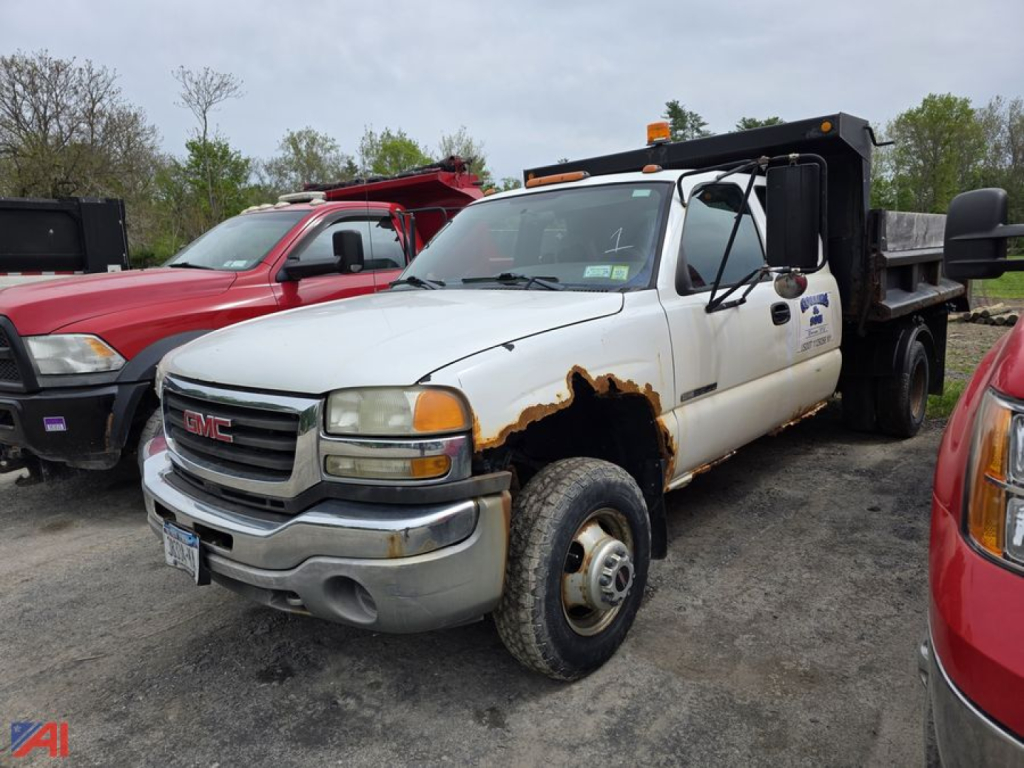
Have used gmc dump truck to sell? List it here to reach thousands of buyers.
About Used GMC Dump Trucks in New York
The first buying decision is chassis size and body capacity. Light-duty GMC dump trucks often carry shorter steel or aluminum dump bodies for mulch, topsoil, salt, brush, and small aggregate loads. Medium-duty GMC dump trucks are better suited for gravel, demolition debris, asphalt support, and municipal road work. Buyers should look closely at GVWR, axle ratings, wheelbase, hoist type, body length, side height, and whether the truck has a working PTO and hydraulic system. On used dump trucks, the condition of the hoist, hinges, cab mounts, frame, floor crossmembers, and tailgate hardware usually tells you more than cosmetic appearance. If the truck has spent years spreading salt or working in winter conditions in New York, corrosion around the body, undercarriage, brake lines, and electrical connections deserves extra attention.
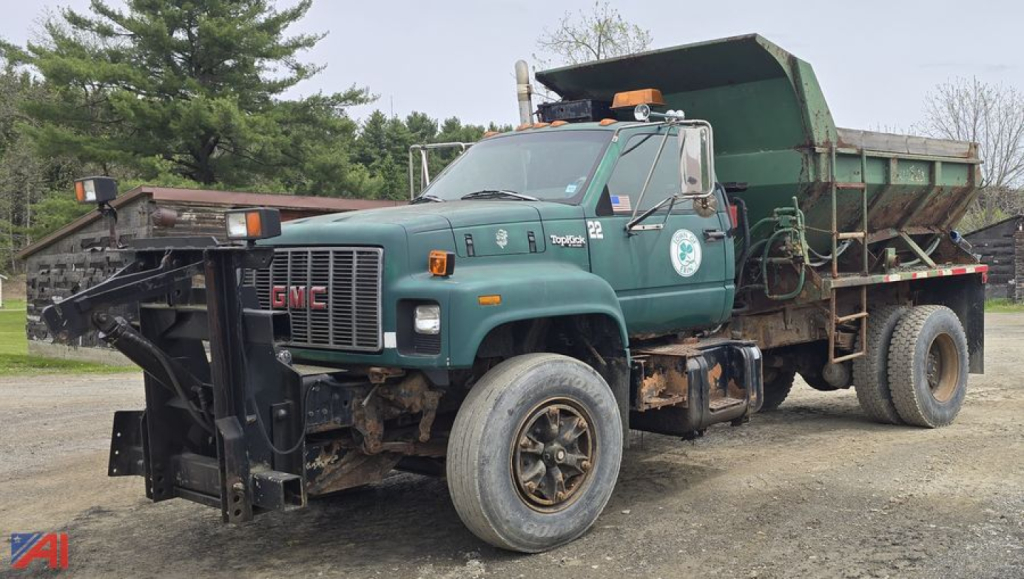
Engine and transmission choice also affects value and application. Older GMC TopKick dump trucks may be equipped with diesel powertrains designed for vocational durability, while Sierra 3500 models are often found with gas or diesel engines depending on year and spec. For stop-and-go dump work, buyers should pay attention to cold-start behavior, PTO engagement, clutch wear on manual transmissions, and automatic transmission shift quality under load. Suspension setup, tire size, and brake type matter too, especially if the truck will see mixed on-road and off-road use. A locking rear differential, good rubber, and a straight frame can be more important than extra trim or cab features on a vocational truck.
A used GMC dump truck can be a practical fit for contractors, municipalities, landscapers, excavators, and property maintenance fleets that need a straightforward work truck without stepping into a larger tandem-axle platform. Common body features to compare include fold-down sides, underbody toolboxes, pintle hitches, tarp systems, backup alarms, and spreader or plow prep on trucks that have served snow and ice operations. Buyers comparing listings should match the truck to the material being hauled, the legal payload they need, and the jobsite access they face every day. The best unit in this category is usually the one with the right body and hydraulic setup, solid maintenance history, and the least structural rust for its age.
Frequently Asked Questions
What is the difference between a GMC Sierra dump truck and a GMC TopKick dump truck?
A GMC Sierra dump truck is typically a light-duty or one-ton platform used for smaller loads, tighter jobsite access, and lower operating costs. A GMC TopKick dump truck is a medium-duty vocational chassis built for heavier payloads, stronger frame capacity, and more demanding commercial use. The Sierra is often a better fit for landscaping, property maintenance, and small contractor work, while the TopKick is more appropriate for aggregate, municipal service, and construction support.
What should I inspect first on a used GMC dump truck in New York?
Start with rust and structural condition. In New York, many dump trucks have seen snow, salt, and seasonal municipal work, so corrosion can be a major issue. Inspect the frame rails, dump body, hoist mounts, cab corners, brake lines, hydraulic lines, crossmembers, hinges, and electrical connections. After that, confirm that the PTO engages correctly, the hoist raises and lowers smoothly, and the tailgate operates as it should under load.
How do I choose the right dump body size on a used GMC truck?
The right body size depends on the material, route, and legal payload requirements. A smaller dump body on a Sierra 3500 is usually a strong fit for mulch, soil, brush, and light debris in residential areas. A larger body on a TopKick-class truck is better for gravel, broken asphalt, and heavier construction materials. Buyers should compare body length, side height, hoist capacity, and axle ratings instead of focusing on body size alone, because payload is limited by the truck's chassis and GVWR.
Are older GMC dump trucks still a good buy for commercial use?
They can be, if the truck has been maintained properly and the chassis matches the job. Older GMC dump trucks are often valued for mechanical simplicity, lower acquisition cost, and straightforward vocational setups. The key is to judge condition instead of age alone. A well-kept truck with a sound frame, functional hydraulics, and documented service history can be more useful than a newer truck with corrosion, PTO issues, or an overworked dump body.