
New Day Cab Trucks For Sale
New day cab trucks for local and regional hauling, drayage, vocational work, and fleet use with modern powertrains, safety tech, and Class 8 specs.
Learn moreBrowse Day Cab Trucks by Make
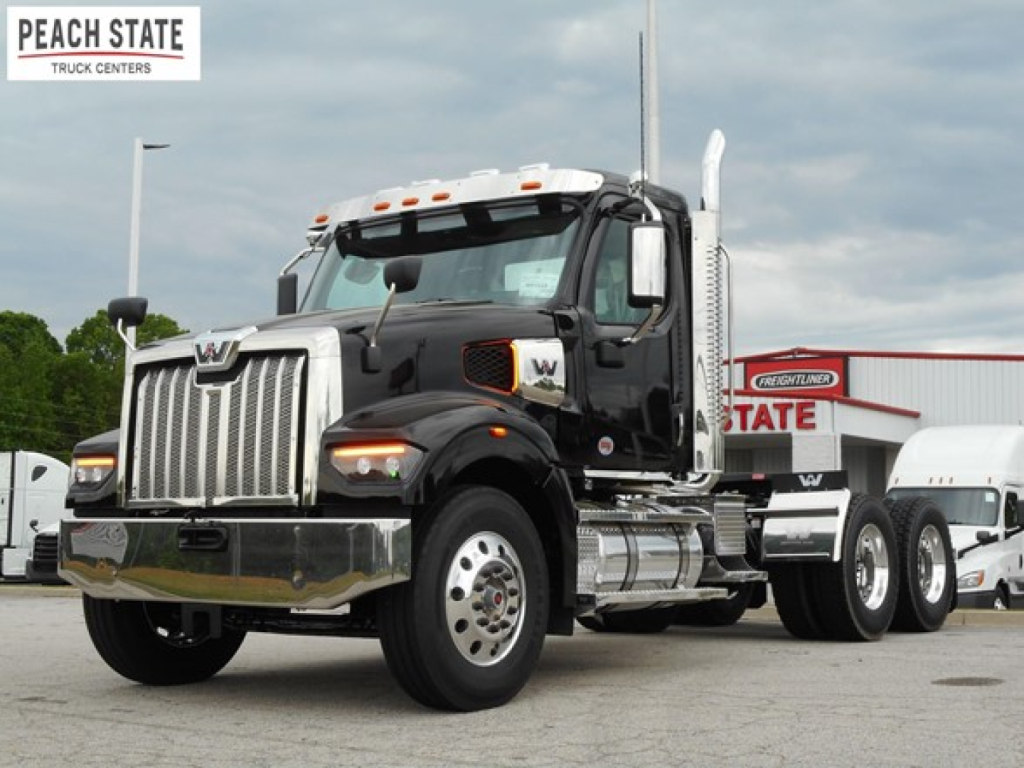
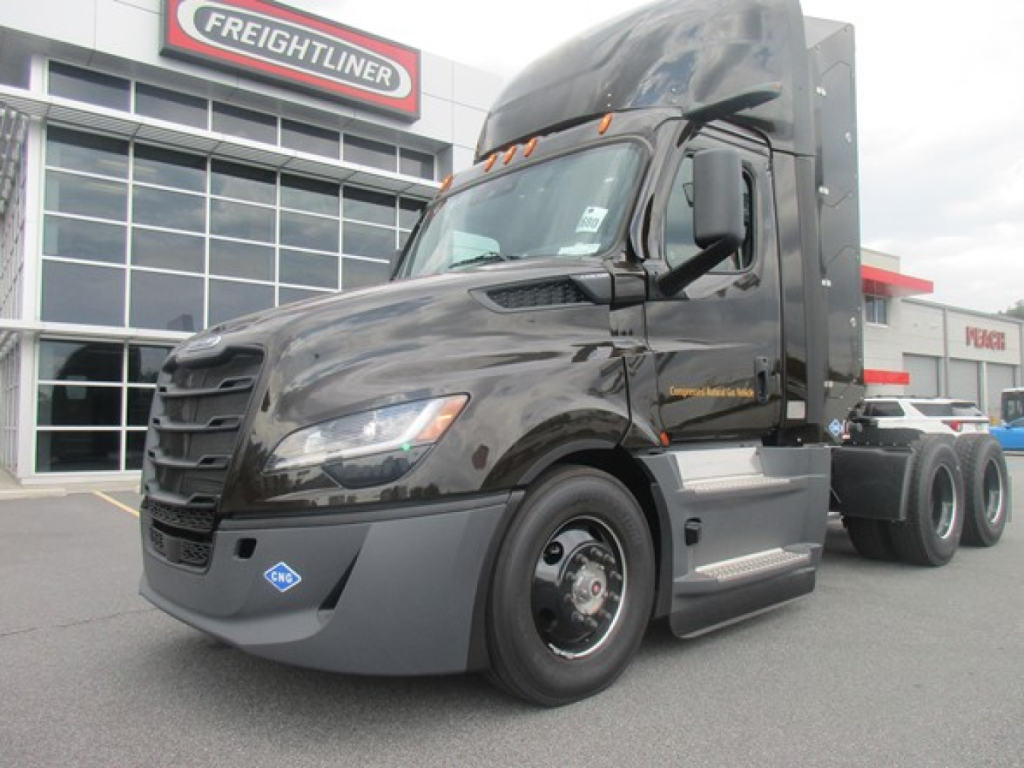
Showing 13 to 14 of 14 results
Have new day cab truck to sell? List it here to reach thousands of buyers.
About New Day Cab Trucks
Most new day cab tractors on the market are tandem axle 6x4 units with diesel power, although alternative fuel options like CNG are available for certain urban and fleet applications. Common engines in this class include the Detroit DD15 and Cummins X15 or ISX15 family, usually rated from about 400 to 605 horsepower depending on application. Automated manual transmissions such as the Detroit DT12 and Eaton Endurant are now standard in many fleet specs because they improve driver consistency, reduce clutch wear, and support fuel economy programs. Pay close attention to rear axle ratio, front axle capacity, and suspension type. A 3.08 ratio may make sense for highway-oriented regional work, while a heavier front axle and longer wheelbase are more appropriate for severe-duty, PTO, or heavier trailer kingpin loads. Sliding fifth wheels, air ride suspension, and differential locks are also common spec points that affect versatility and traction.
Cab and chassis details matter just as much as the headline horsepower number. New day cabs are often ordered with collision mitigation systems, engine brakes, cruise control, tilt-telescoping steering, aluminum or steel wheels, and dual exhaust depending on application. Buyers running in metro areas should think about visibility, turning radius, bridge law implications, and how the wheelbase works with a 40-foot container chassis, tanker trailer, or short flatbed route. Fuel type is another major operating decision. Diesel remains the default for broad serviceability and range, while CNG day cabs can be attractive for dedicated return-to-base operations with established fueling access. If the truck will spend time in ports, construction support, or refuse-adjacent duty cycles, heavier axle ratings and vocational chassis influence are worth prioritizing over a pure highway spec.
A new day cab is often the right tool when the operation needs current emissions systems, factory warranty coverage, updated safety electronics, and a clean maintenance baseline from day one. The best spec is the one that matches the trailer mix and route density, not just the highest horsepower listing. A short wheelbase truck can be ideal for city distribution and drop-and-hook work, while a 214-inch to 265-inch wheelbase setup may better suit heavy regional hauling or specialized trailer applications. Buyers should compare intended gross combination weight, expected stop-and-go frequency, terrain, and driver turnover before choosing between a fleet-oriented fuel economy spec and a more aggressive vocational or performance build.
Frequently Asked Questions
What is a day cab truck used for?
A day cab truck is used for operations that do not require overnight accommodations in the tractor. Typical applications include local delivery, regional hauling, drayage, tanker work, flatbed service, dump trailer pulls, and dedicated fleet routes. Because there is no sleeper, the chassis is usually lighter and more maneuverable, which helps in urban areas, terminals, ports, and customer yards.
What should I look for when comparing new day cab trucks?
Start with the core fit-for-duty items: wheelbase, axle configuration, front and rear axle ratings, engine horsepower and torque, transmission type, rear axle ratio, and fifth wheel style. Those specs determine trailer compatibility, turning radius, legal payload, and highway performance. After that, compare suspension, safety systems, wheel material, fuel type, and any vocational equipment requirements such as PTO readiness or heavier front axle capacity.
Are automated manual transmissions common in new day cabs?
Yes. AMTs are now common in new day cab tractors across fleet, regional, and vocational applications. Systems like the Detroit DT12 and Eaton Endurant help standardize shifting, reduce driver fatigue, and limit clutch-related wear. They can also support fuel economy and training consistency, which is one reason many buyers now choose AMTs over traditional manual transmissions.
How do I choose the right wheelbase for a day cab?
Wheelbase should match the trailer type, kingpin setting, bridge requirements, and the amount of maneuverability needed in daily use. Shorter wheelbases generally work better in city service, ports, and tight loading areas. Longer wheelbases can improve ride quality, weight distribution, and fitment for certain heavy-haul or specialized trailer applications. The right choice depends on how much turning room the operation has and where the kingpin load needs to sit on the tractor.
Is diesel or CNG better for a new day cab truck?
Diesel is usually the better fit for buyers who need long range, broad service support, and flexibility across changing routes. CNG can make sense for return-to-base fleets with stable route lengths and access to dedicated fueling infrastructure. The decision depends less on sticker price and more on route density, fueling availability, maintenance support, and total cost over the planned service life of the truck.