
Used Mack Day Cab Trucks For Sale in Indiana
Shop used Mack day cab trucks in Indiana. Compare MP engine specs, axle setups, PTO options, and regional haul applications.
Learn more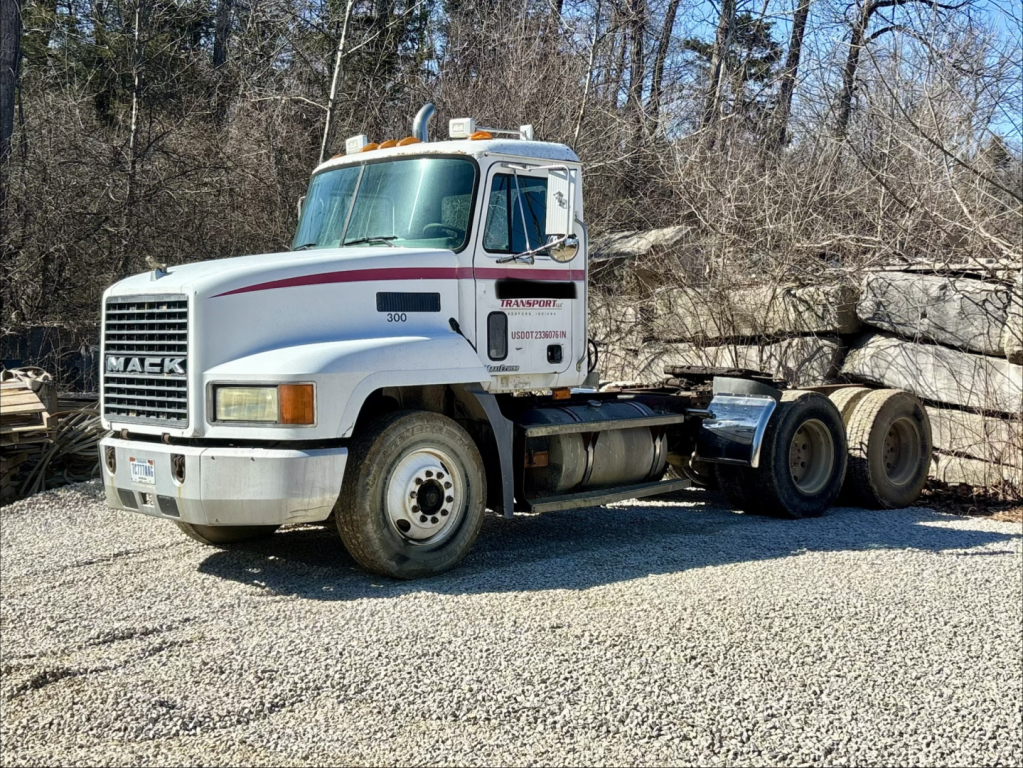
Have used mack day cab truck to sell? List it here to reach thousands of buyers.
About Used Mack Day Cab Trucks in Indiana
The most important buying decision is usually the spec behind the cab. Many used Mack day cabs are set up as 4x2 or 6x4 tractors, with horsepower and torque ranging widely by engine family and year. Older units may carry Mack E7 power, while newer trucks often use Mack MP7 or MP8 engines paired with Mack manual, mDRIVE automated manual, or Eaton-Fuller transmissions. For Indiana buyers hauling heavy commodities, rear axle ratio, suspension type, wheelbase, and PTO readiness matter as much as engine rating. A truck set up for limestone, grain, steel, or construction materials can be very different from one built for van or reefer shuttles.
Cab condition and frame integrity deserve close attention on used Mack day cabs, especially in a state where winter road treatment can accelerate corrosion. Look carefully at the back of cab, cab mounts, air ride components, crossmembers, battery box supports, and frame rails for rust or previous repairs. Service history is equally important. Engine replacements, injector work, clutch history, emissions repairs, and suspension maintenance can significantly affect value. On pre-emissions and early emissions-era trucks, buyers often focus on simplicity and mechanical condition. On newer emissions-equipped models, it is smart to confirm the status of the DPF, DEF system, sensors, and aftertreatment service records.
A Mack day cab also tends to appeal to buyers who want a truck with strong vocational crossover. Many are configured with wet line kits or PTO provisions for end dump, tanker, pneumatic, lowboy, and other specialized trailer work. If the truck will spend most of its time in tight yards or urban delivery zones, shorter wheelbase and steering angle can make a real difference. If it will run state highways with heavier payloads, axle capacity, brake spec, and tire condition become more important. The best used Mack day cab is the one whose drivetrain, frame, and application spec match the work, not just the badge on the hood.
Frequently Asked Questions
What is a Mack day cab truck best used for?
A Mack day cab truck is best suited for local and regional hauling where the driver returns home daily and does not need a sleeper. Common applications include dump, tanker, flatbed, dry van shuttle work, aggregate hauling, construction support, and dedicated industrial routes. Mack day cabs are especially popular in heavier-duty service because many are spec'd with robust frames, strong suspensions, and drivetrain options designed for demanding payloads and frequent stops.
What should I inspect first on a used Mack day cab in Indiana?
Start with frame and cab corrosion, then move to drivetrain history. Indiana buyers should pay close attention to rust around cab mounts, rear cab panels, steps, brackets, battery boxes, and suspension components because road salt can shorten the life of structural parts. After that, review engine service records, transmission condition, clutch wear if equipped with a manual, and any emissions-system repairs. A clean-looking truck with poor maintenance history can be a risk, while an older unit with documented repairs can be the better buy.
Which Mack engines are common in used day cab trucks?
Engine choice depends heavily on model year. Older Mack day cabs often use the E7, a well-known platform in pre-emissions and early emissions trucks. Newer models commonly use the MP7 or MP8, with the MP7 generally fitting regional and weight-sensitive work and the MP8 often chosen for heavier loads or higher horsepower needs. Buyers should match the engine to the duty cycle, then verify mileage, overhaul history, oil leak condition, cooling-system health, and any aftertreatment service on emissions-equipped trucks.
Are Mack day cabs good for PTO or wet kit applications?
Yes, many Mack day cabs are a strong choice for PTO-driven work and can be found with PTO provisions or full wet line setups depending on prior use. They are commonly used to pull end dumps, tankers, lowboys, and other trailers that require hydraulic support. The key is confirming that the transmission, PTO opening, hydraulic plumbing, reservoir, and control setup match the trailer you plan to run. A truck may have a PTO installed without having a complete wet kit, so buyers should verify exactly what equipment is present.
How do I choose between a 4x2 and 6x4 Mack day cab?
A 4x2 Mack day cab can work well for lighter regional routes, better maneuverability, and lower operating weight, but a 6x4 is usually preferred for heavier freight, rougher jobsite access, and better traction in mixed conditions. In Indiana, a 6x4 is common for aggregate, steel, agricultural, and construction-related hauling because it handles load transfer and variable surfaces better. The right choice depends on trailer type, gross combination weight, terrain, and how often the truck leaves paved roads.