
Day Cab Trucks For Sale in Georgia
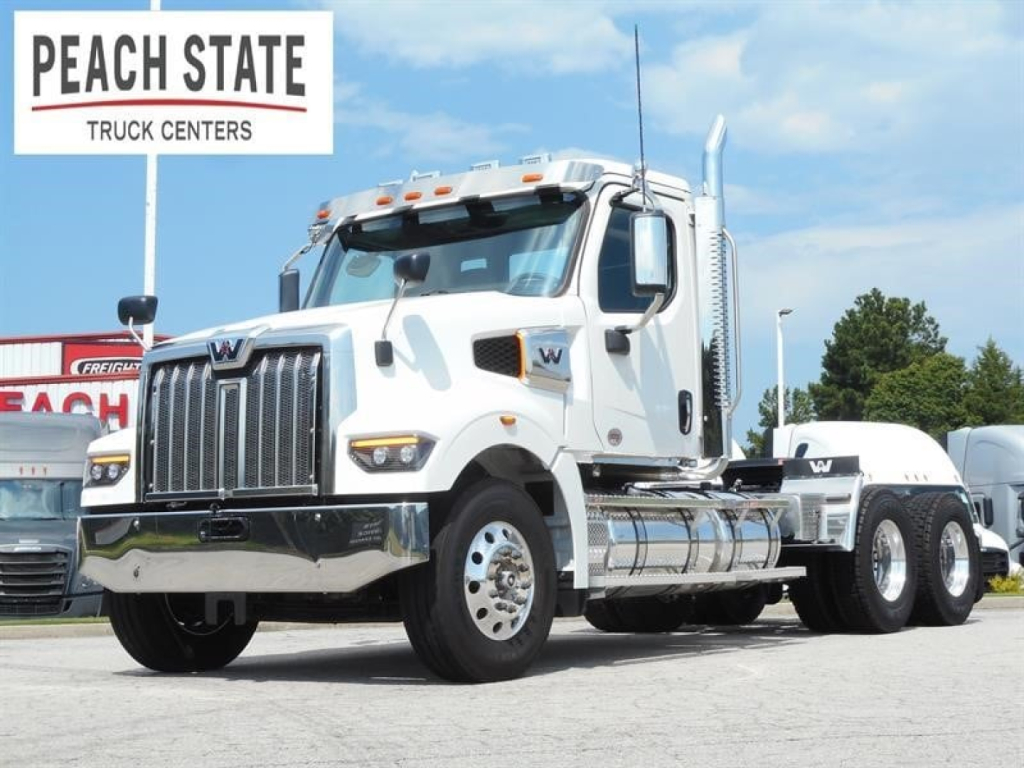
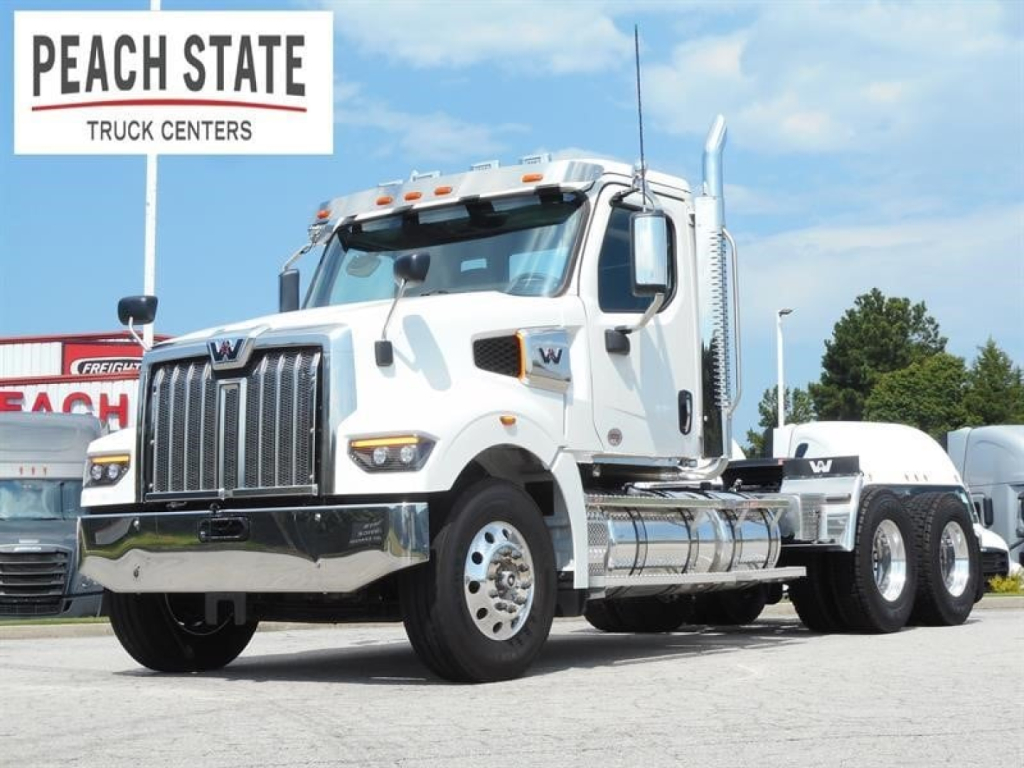
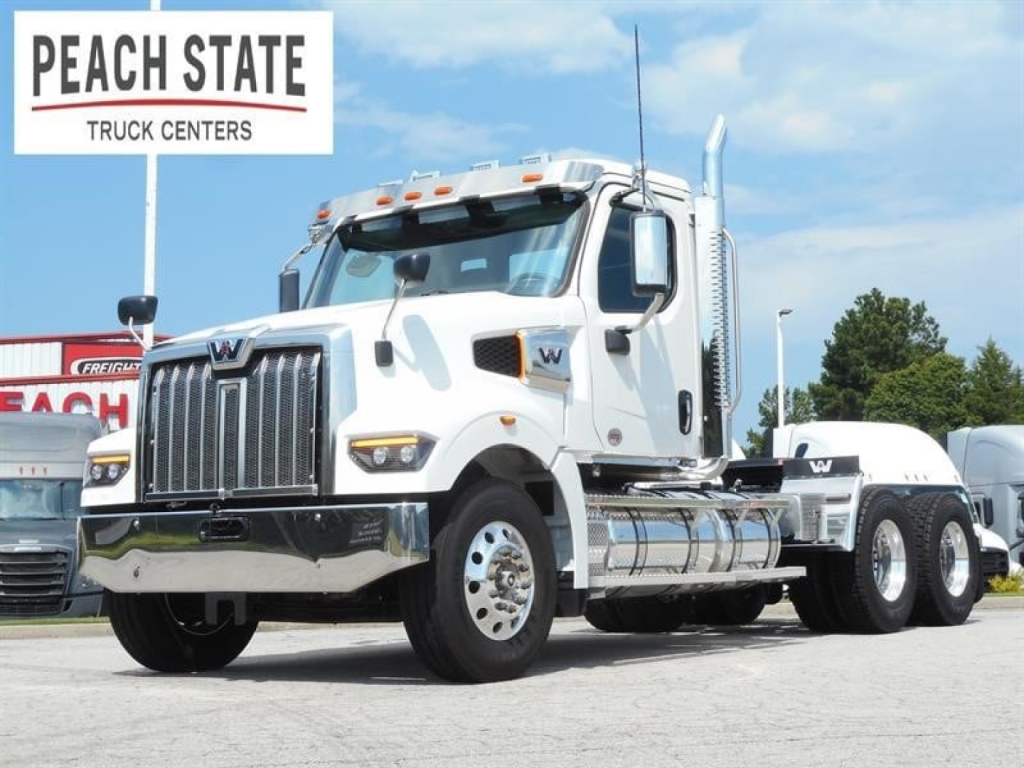
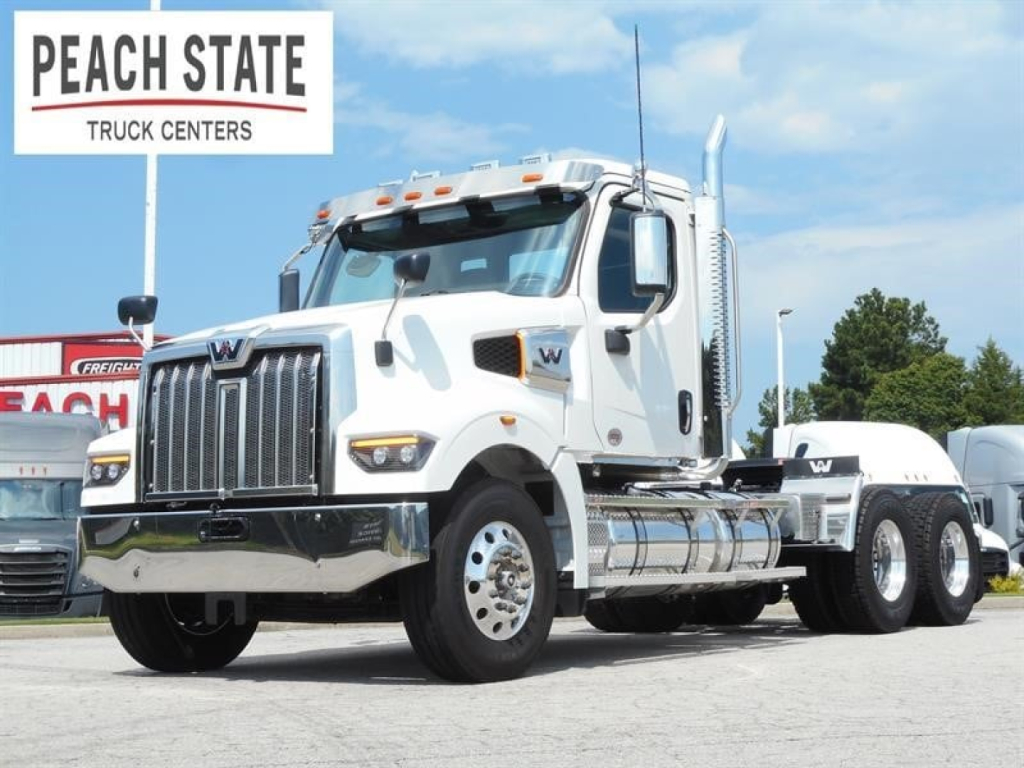
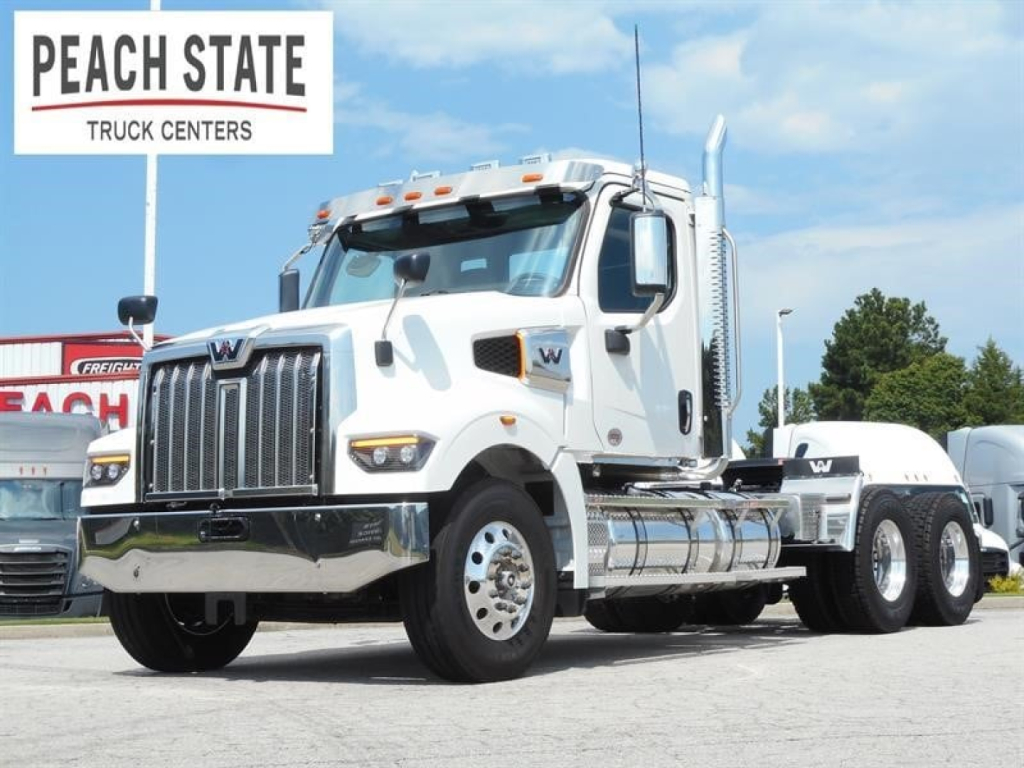
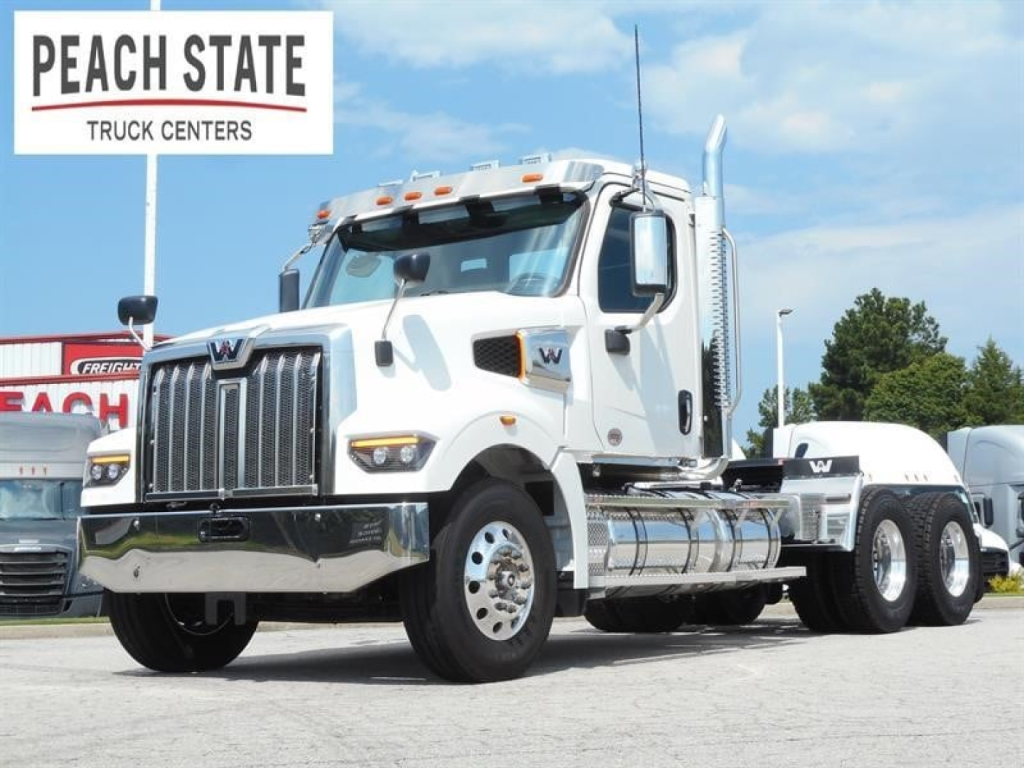
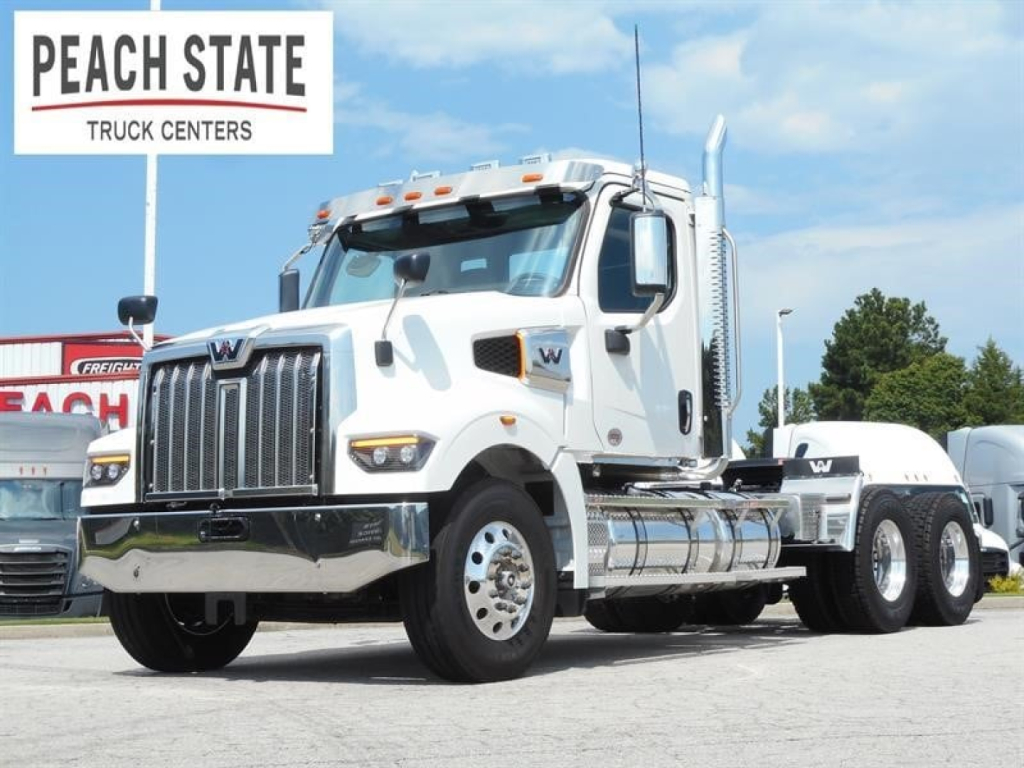
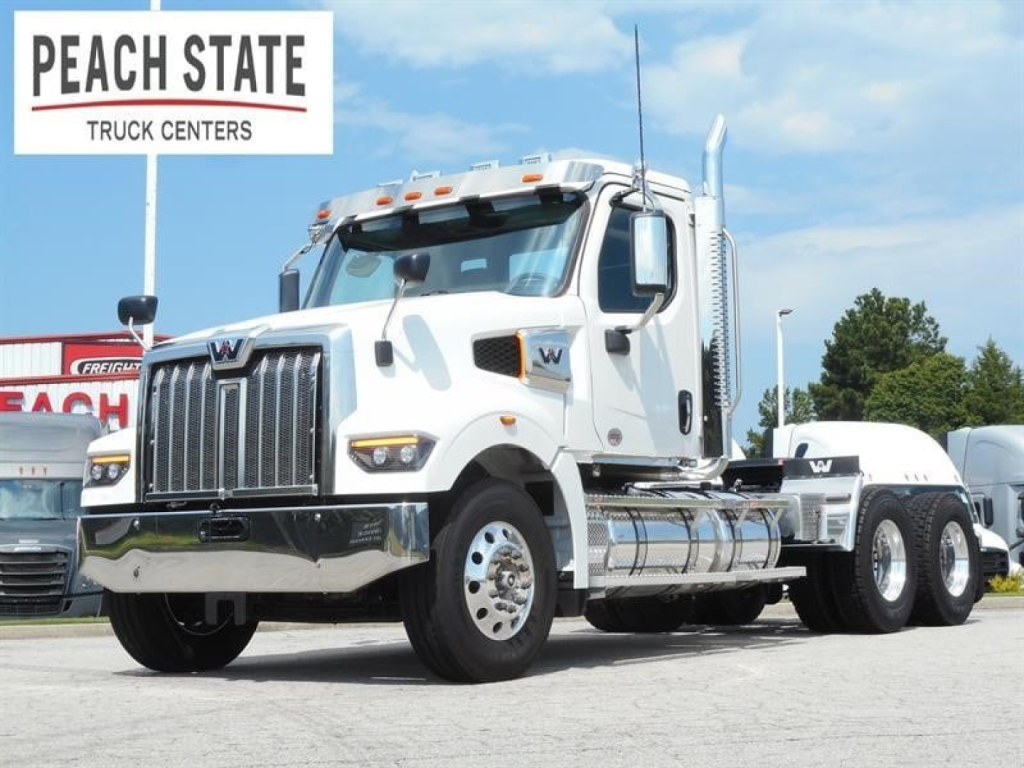
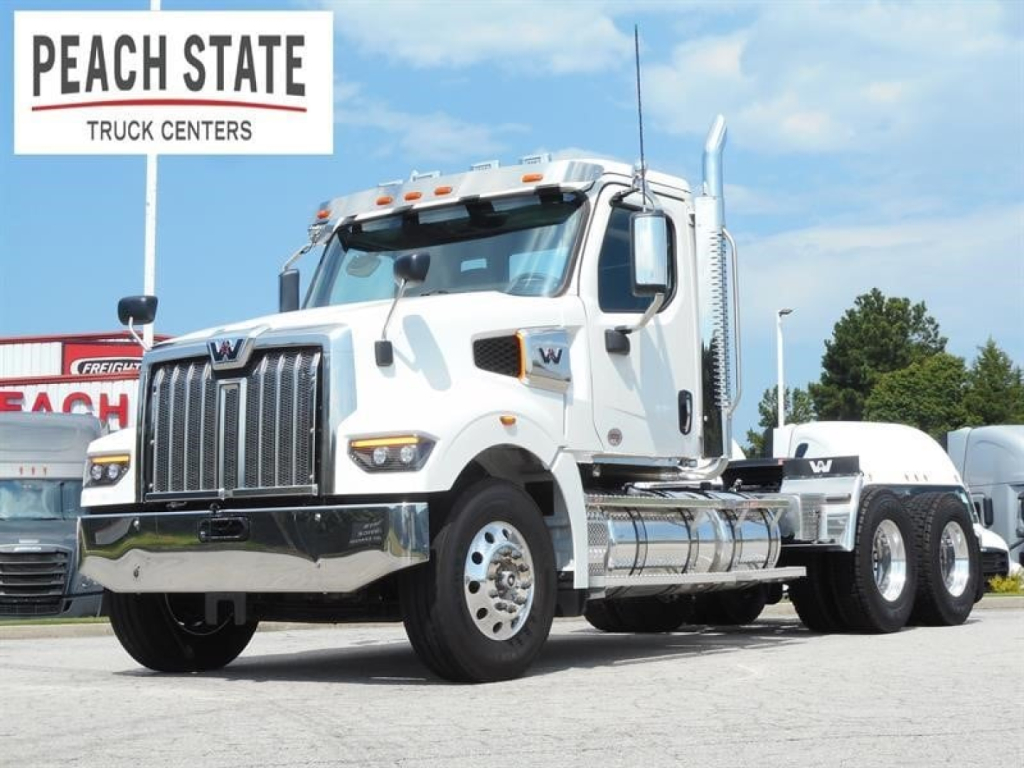
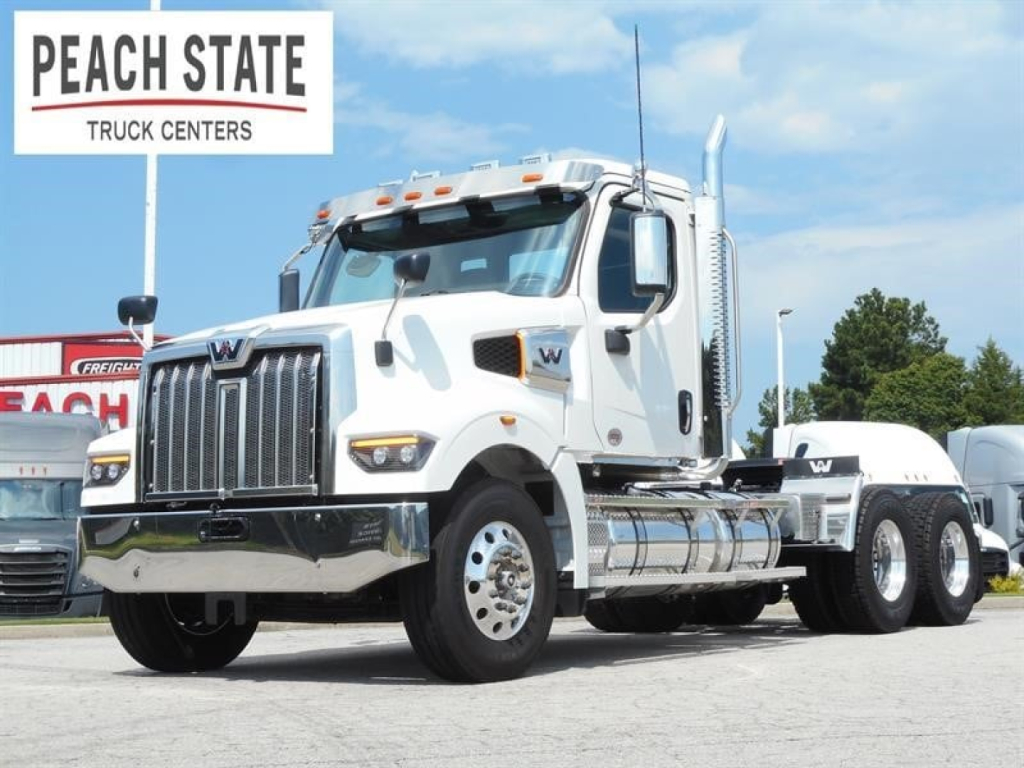
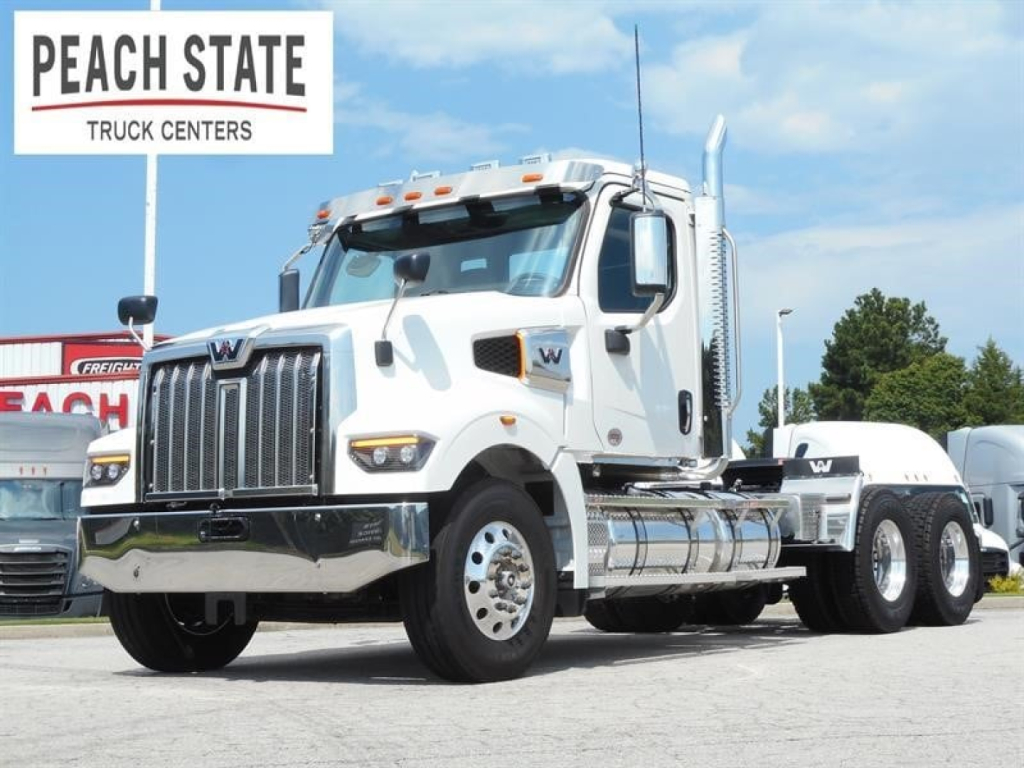
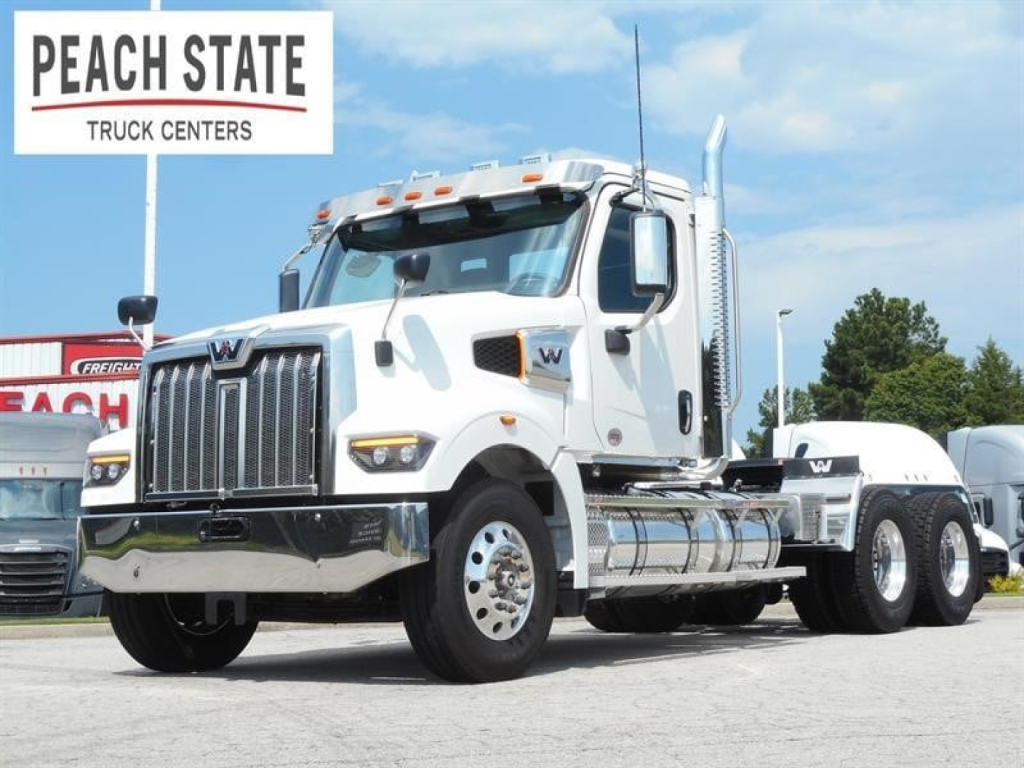
Browse Day Cab trucks for sale in Georgia. Compare Class 8 day cab tractors by axle, wheelbase, horsepower, transmission, and application.
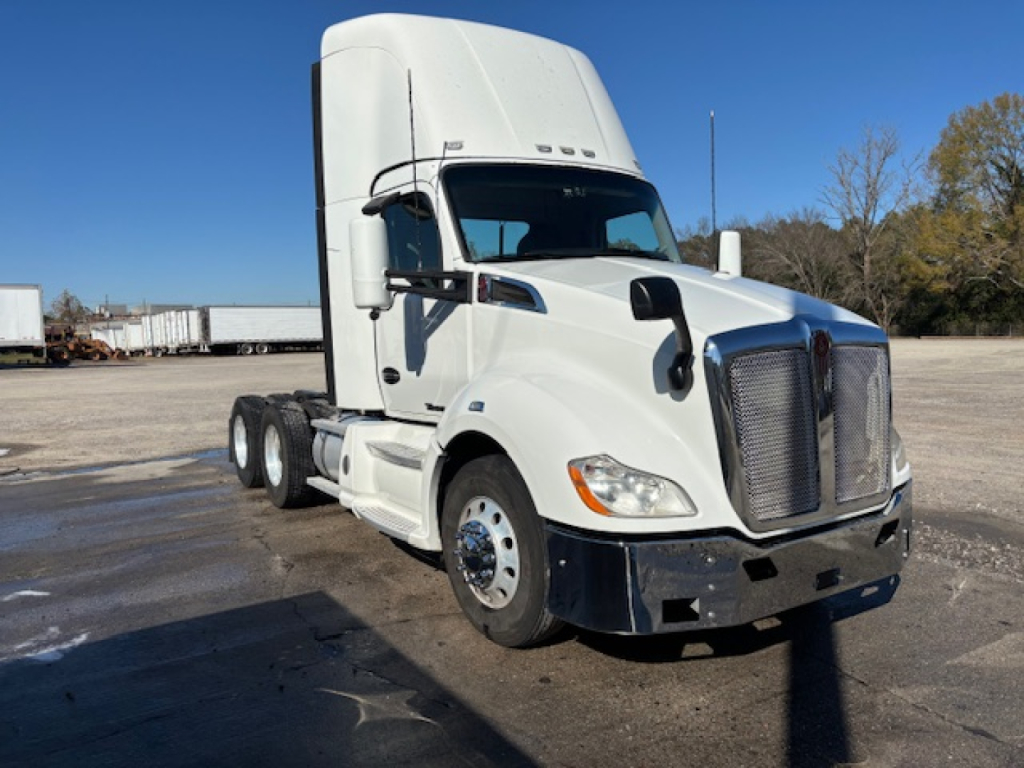
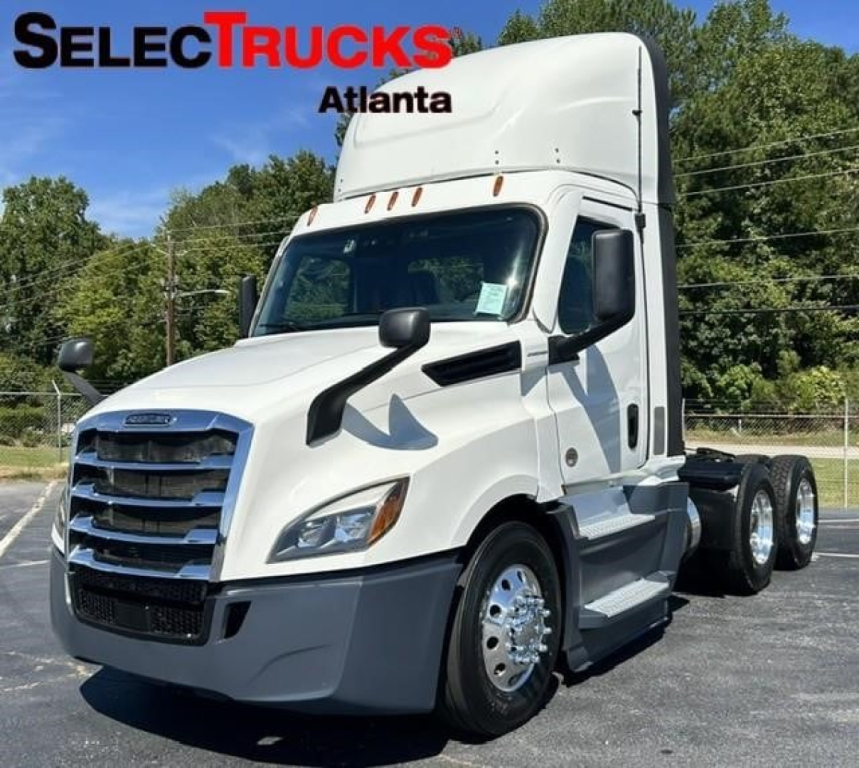
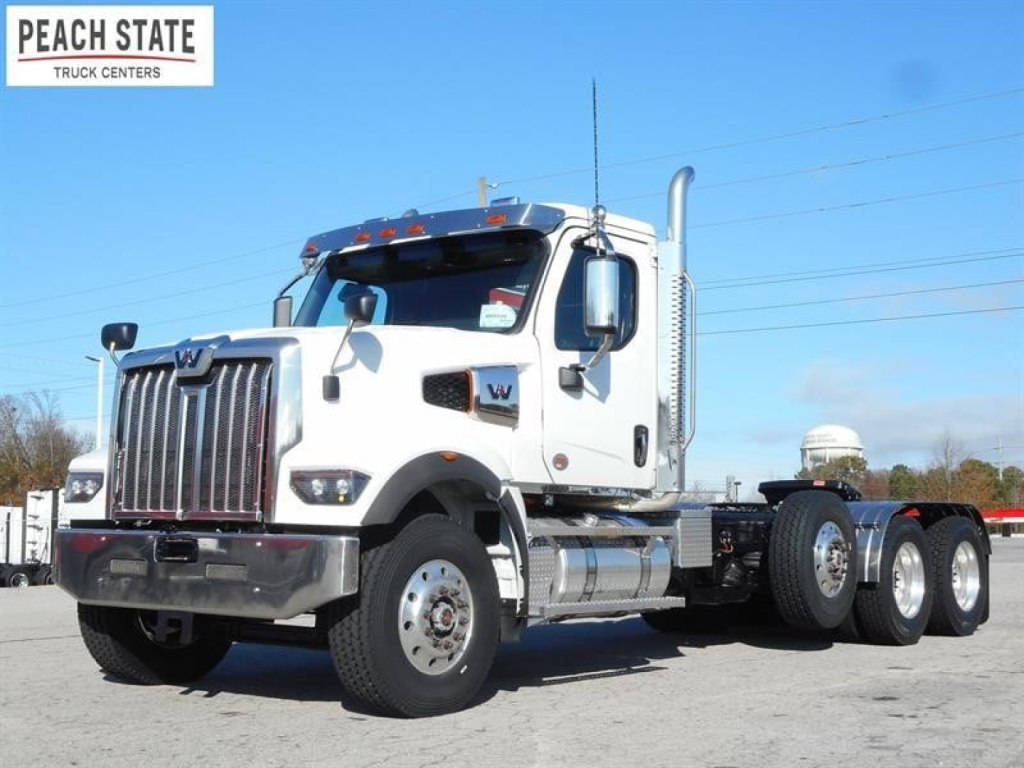
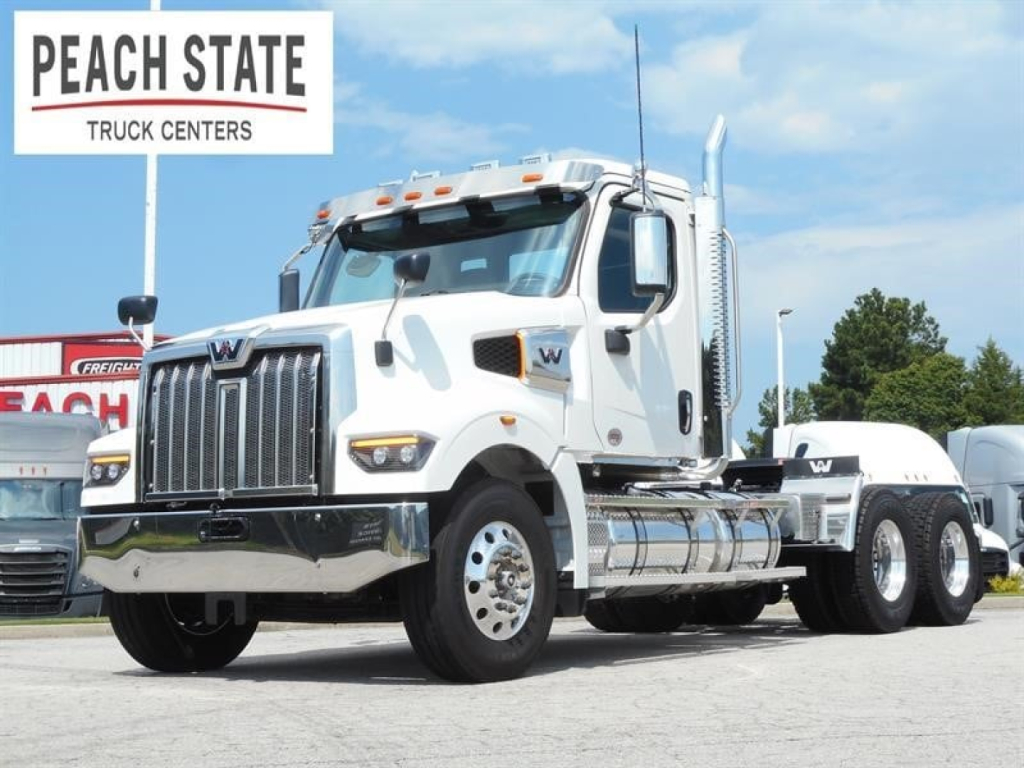
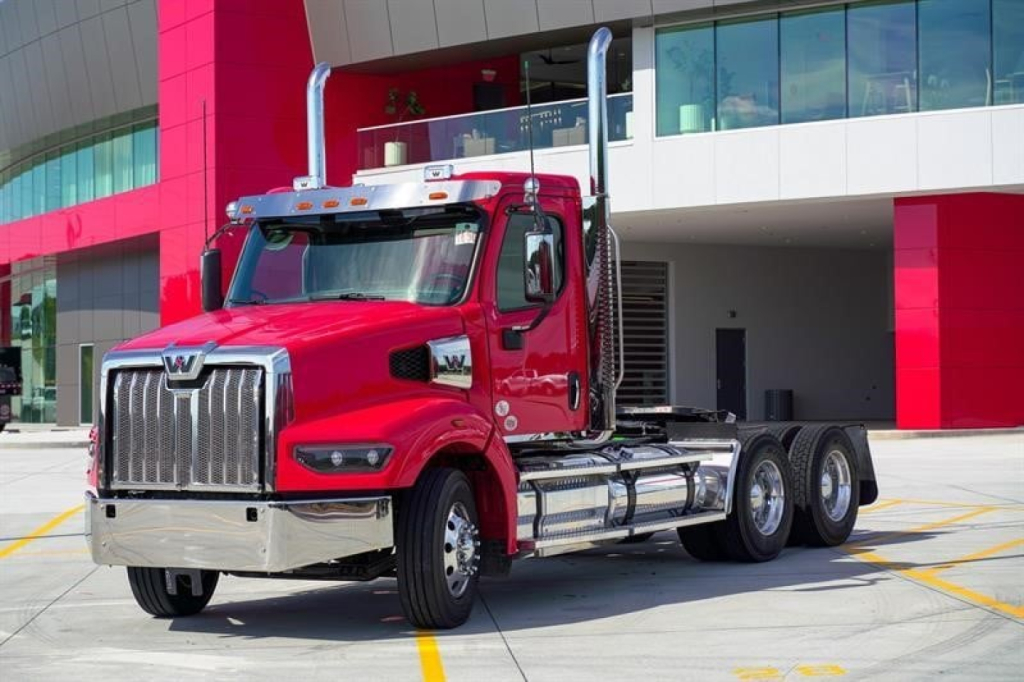
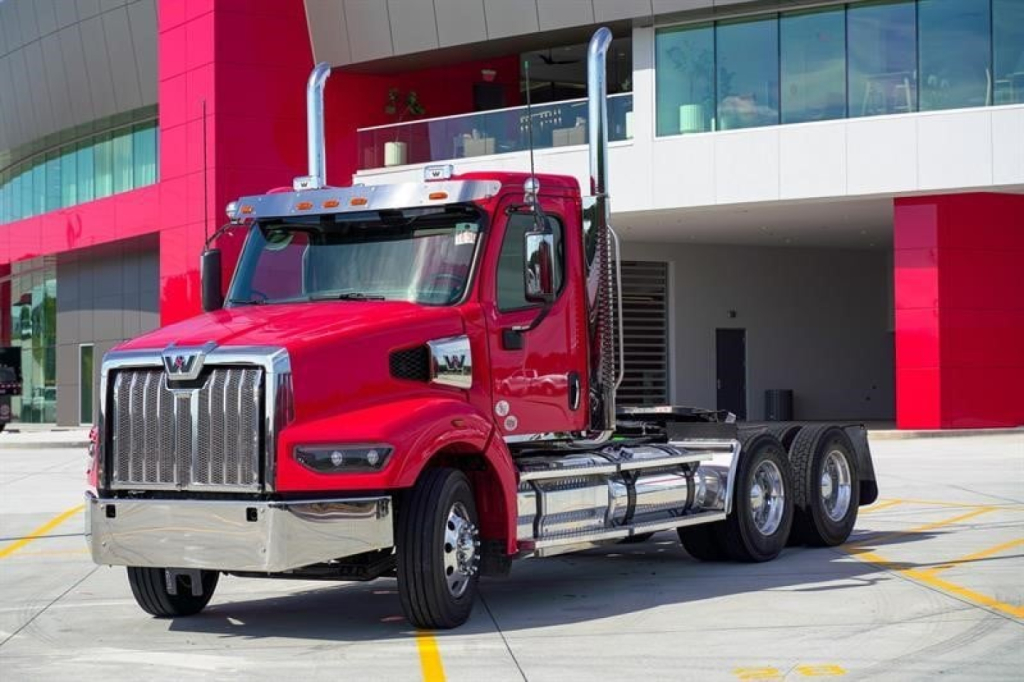
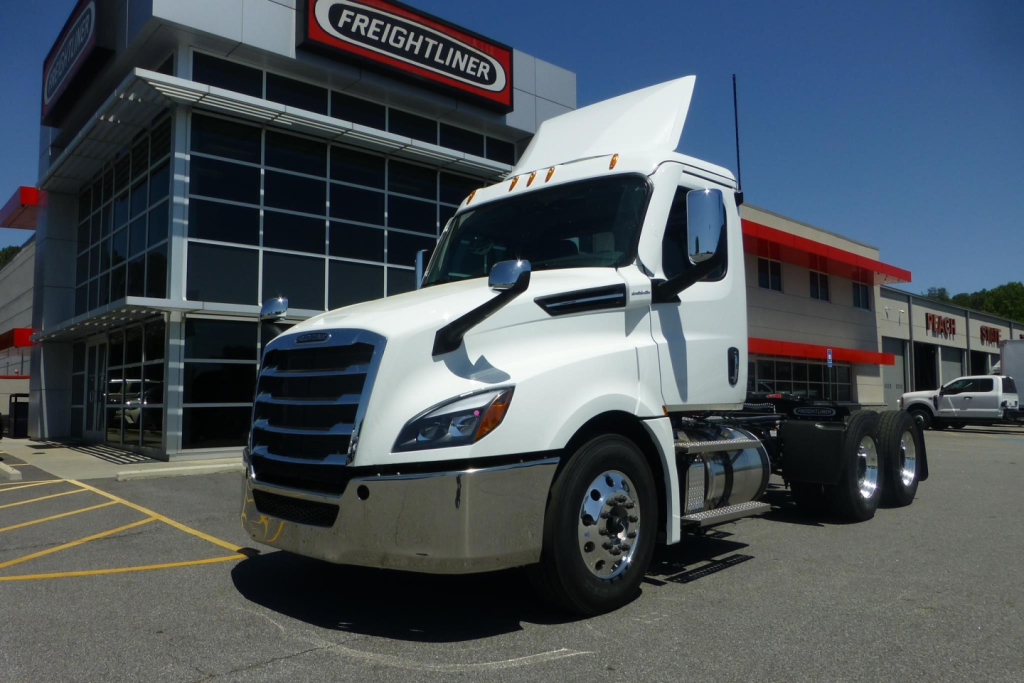
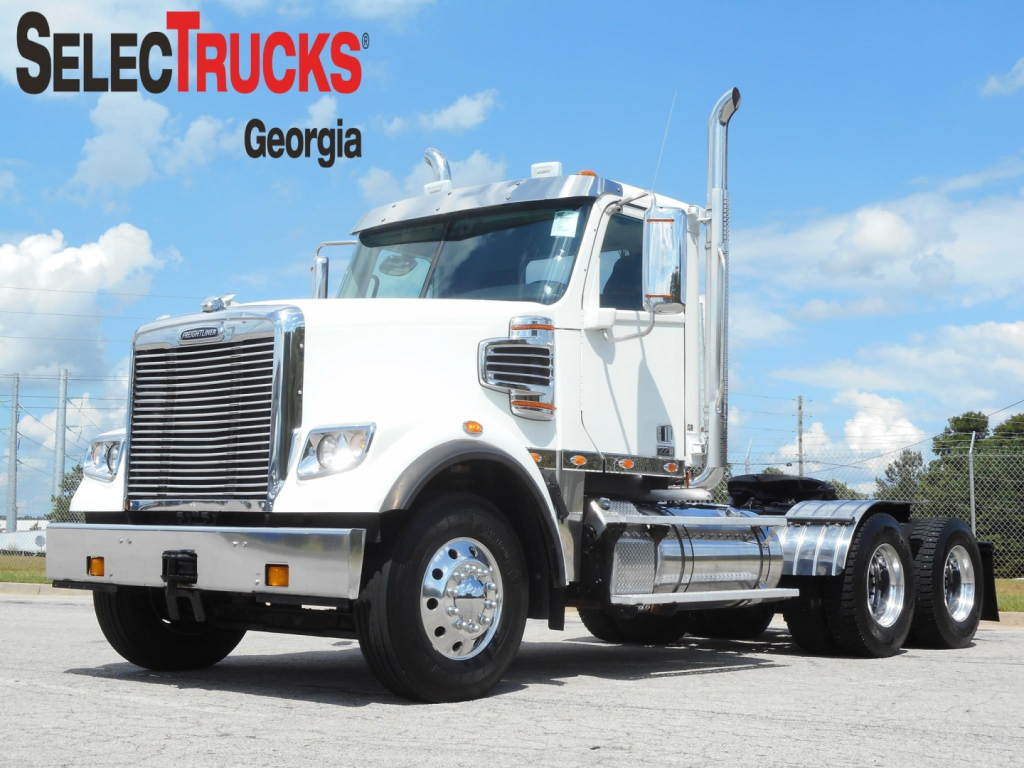
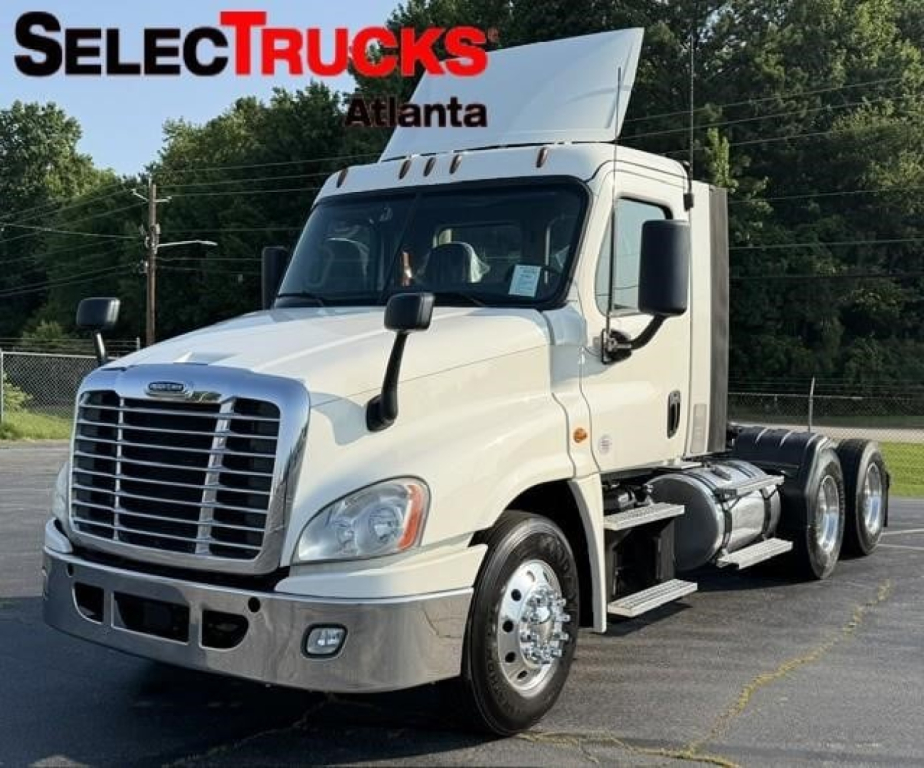
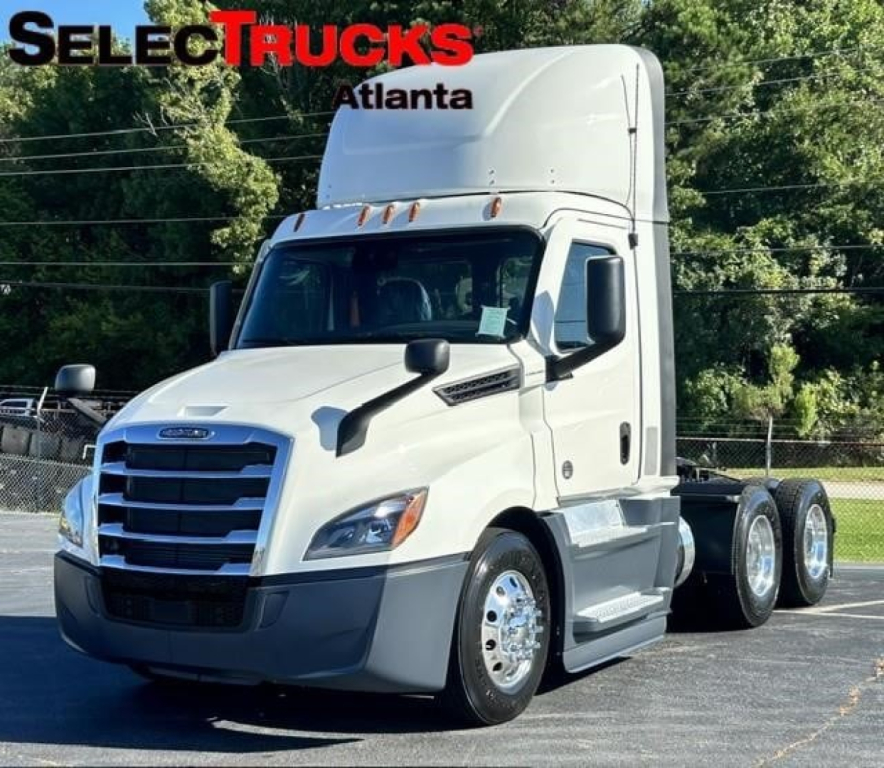
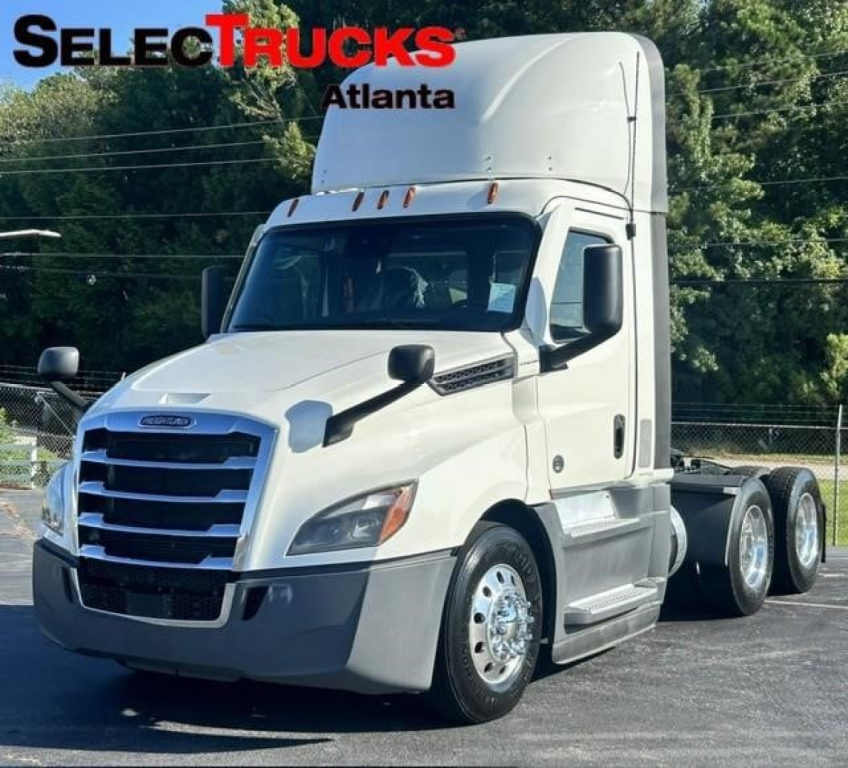
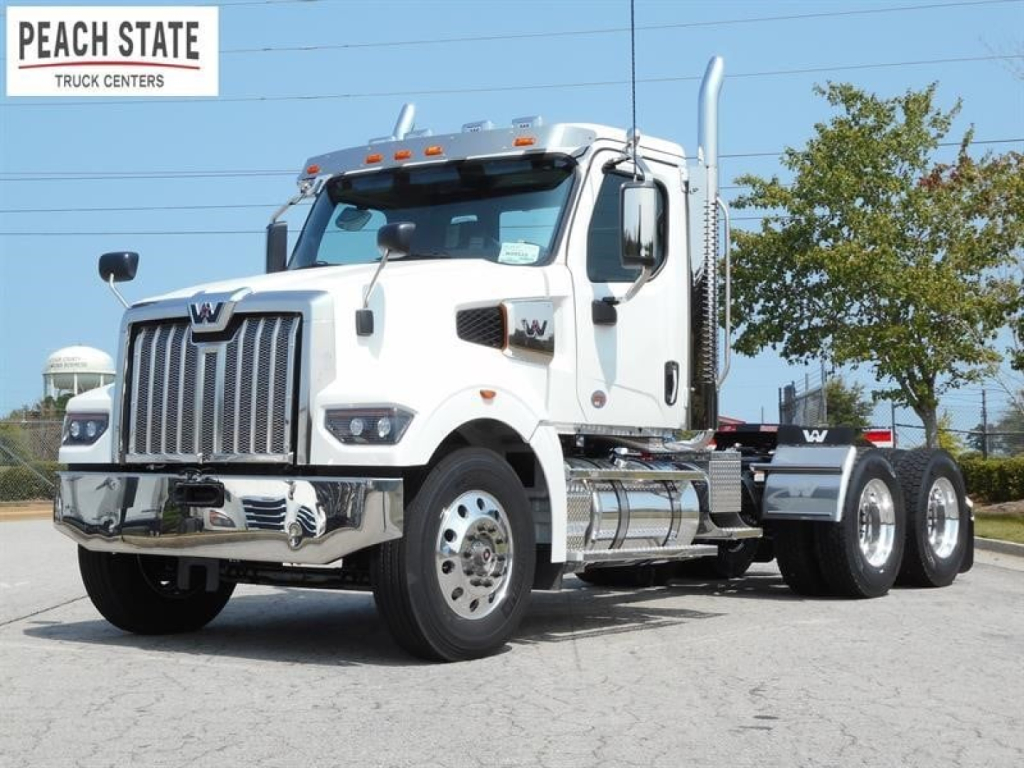
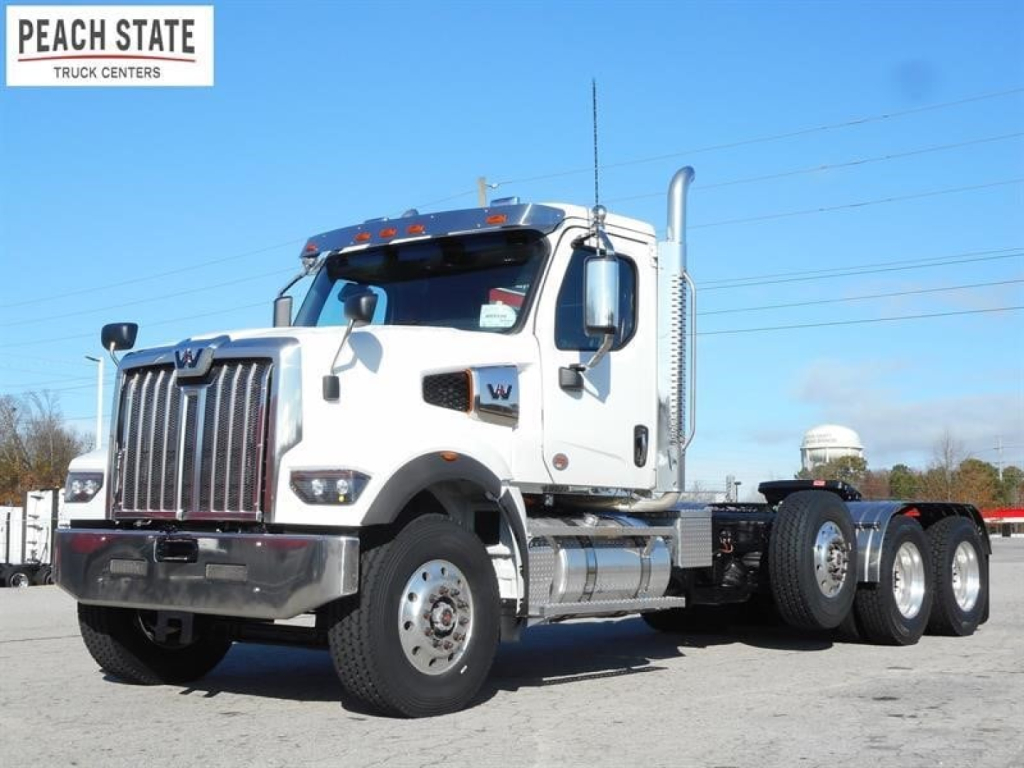
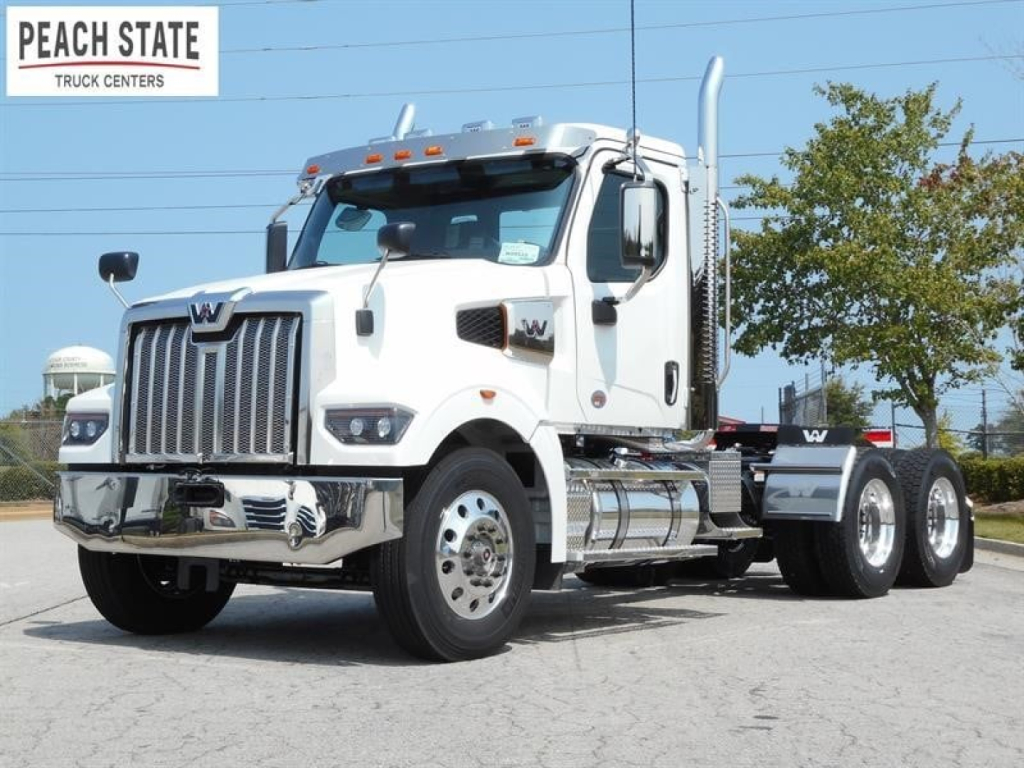
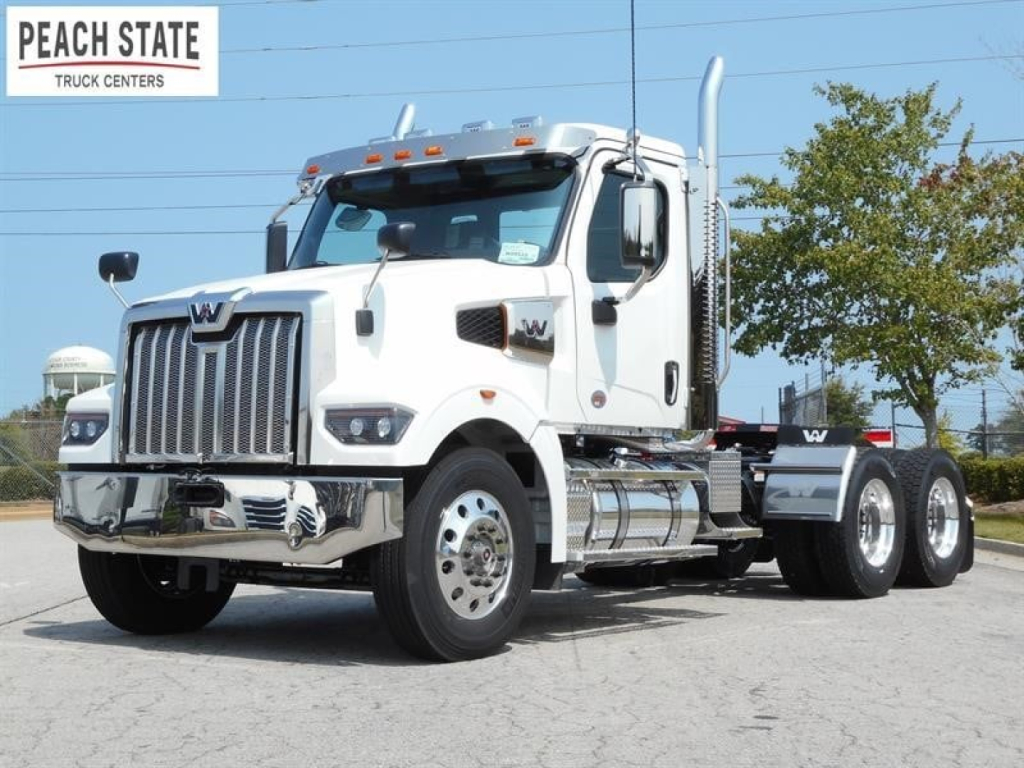
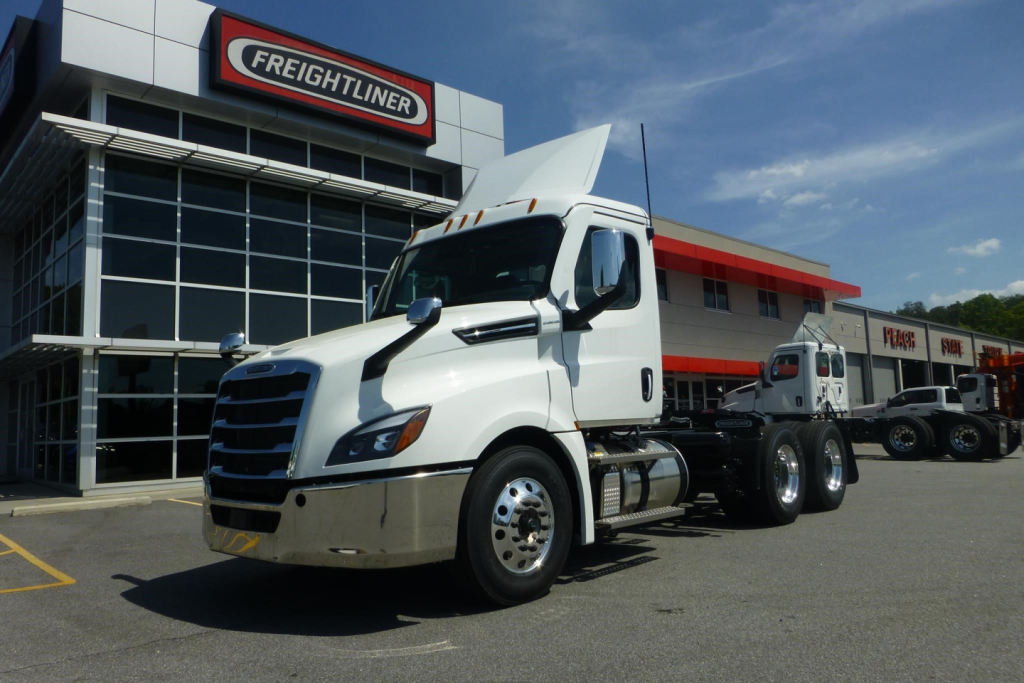
Showing 1 to 28 of 30 results
Selling a day cab truck? List your day cab truck for sale and reach thousands of commercial buyers.
Day Cab Trucks in Georgia
The first buying decision is application. A tandem axle 6x4 day cab with a wheelbase in the 170 to 220 inch range is common for general freight, container drayage, dry van, reefer, and dedicated regional pulls. If the truck will handle heavier equipment trailers, lowboy work, or severe-duty assignments, buyers often step into longer wheelbases, higher horsepower ratings, heavier front axles, and sometimes tri-axle or 8x4 configurations. Engines in this category commonly run from about 400 to 505 horsepower for linehaul and regional service, while specialized heavy-haul setups can push to 600 horsepower. Transmission choice matters too. Automated manuals are popular for fleet consistency, easier driver onboarding, and fuel economy, while 13-speed or 18-speed manuals still make sense for heavy haul, off-road access, and precise control under load.
Spec details drive operating cost. Rear axle ratio affects launch, gradeability, and cruise RPM, so a faster ratio may suit highway-heavy routes while a deeper ratio is better for heavy starts and vocational use. Air ride suspension is common for ride quality and freight protection, but the suspension and frame package should still match trailer weight and terrain. Sliding fifth wheels add flexibility across trailer lengths and kingpin settings. Fuel capacity, tire size, brake type, differential locks, and front axle ratings all deserve close review because they determine where the truck can work without compromise. Buyers comparing used day cabs should look closely at engine hours, idle history, aftertreatment service, clutch or AMT calibration history, brake wear, tire match, and signs of frame or fifth wheel abuse.
Modern day cab trucks also carry more driver and safety technology than older regional tractors. Collision mitigation systems, engine brakes, heated mirrors, power accessories, and telematics-ready electrical architecture are now common on late-model trucks. The right spec is the one that fits the lane, trailer, and gross combination weight without paying for unused capacity. For Georgia fleets, that often means balancing highway efficiency with enough durability for urban congestion, warehouse yards, and short-haul cycles that are hard on brakes, tires, and drivers.
Frequently Asked Questions about Day Cab Trucks in Georgia
What is a day cab truck used for?
A day cab truck is used for local and regional hauling where the driver does not need a sleeper berth. Common applications include dry van, reefer, container drayage, dedicated route work, port service, LTL operations, and some vocational tractor jobs. The shorter cab improves maneuverability, reduces tare weight, and usually makes the truck easier to position in traffic, tight yards, and crowded docks.
What should I look for when buying a used day cab tractor?
Focus on the truck's original vocation and how its spec matches your trailer and freight. Check horsepower, axle configuration, wheelbase, rear axle ratio, front and rear axle ratings, suspension type, and fifth wheel setup first. Then review maintenance records, mileage versus engine hours, DPF and aftertreatment service history, brake and tire condition, transmission operation, and frame condition around the fifth wheel and suspension mounts. On fleet-used trucks, idle time and maintenance discipline often matter as much as odometer miles.
Is an AMT or manual transmission better in a day cab?
An AMT is often the better fit for regional and local fleet work because it helps standardize driver performance, reduces training time, and can improve fuel economy and clutch life. A manual transmission still has advantages in heavy haul, lowboy, off-road, and specialized applications where the driver needs direct gear control and more flexibility under severe loads. The right choice depends on route profile, driver pool, trailer type, and gross combination weight.
What axle setup is most common on a day cab truck?
The most common setup is a tandem axle 6x4 Class 8 day cab tractor. That configuration handles a wide range of highway and regional freight while offering good traction and legal weight distribution. Heavier applications may require a tri-axle, lift axle, or 8x4 arrangement, especially when the tractor is paired with lowboy, equipment, or other specialized trailers. Axle choice should match both your legal weight needs and the roads the truck will see every week.
Why are day cab trucks popular in Georgia?
Day cab trucks fit Georgia's freight mix well because the state has major warehouse, port, and distribution activity with many short and medium-length runs. They work well in Atlanta-area traffic, around industrial parks, and on dedicated regional lanes that start and end the same day. Their shorter overall length, lighter weight, and easier access to tight facilities make them practical for urban freight, drayage, and fast-turn regional operations.