
Used Autocar Day Cab Trucks For Sale in New York
Browse used Autocar day cab trucks in New York. Compare specs, axle setups, engines, transmissions, and vocational applications.
Learn more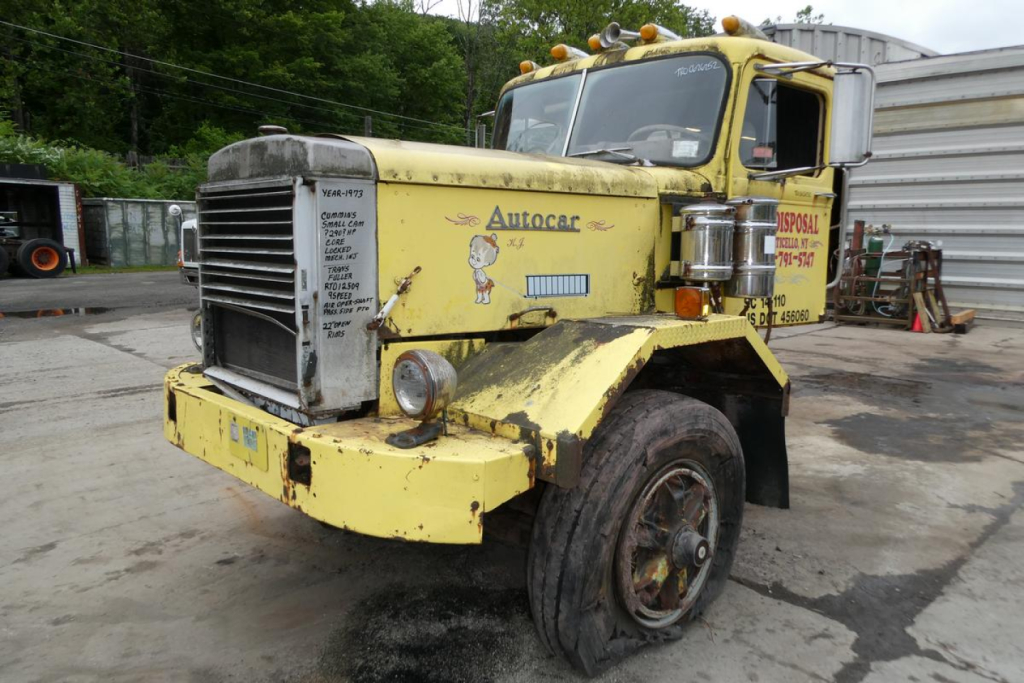
Have used autocar day cab truck to sell? List it here to reach thousands of buyers.
About Used Autocar Day Cab Trucks in New York
The right spec starts with the job cycle. Many used Autocar day cabs are configured with heavy front axles, tandem rears, and manual or automated manual transmissions suited for stop-and-go work. Buyers should pay close attention to rear axle ratios, suspension type, and whether the truck has a wet kit or PTO provisions if hydraulic equipment is part of the application. Engine choice matters less on peak horsepower alone than on torque curve, emissions system condition, and service history. On older used units, it is common to see Cummins power paired with Fuller transmissions, and those driveline combinations are often valued for mechanical simplicity and parts familiarity. On newer trucks, emissions compliance, idle time, aftertreatment maintenance, and electronic diagnostics become more important than badge or advertised horsepower.
Cab condition is especially important on an older Autocar. Inspect the cab mounts, hood, hinges, door bottoms, floors, wiring repairs, and evidence of corrosion from road salt exposure, which is a real concern in New York. Severe-service trucks often spend their lives backing, turning tight, and operating around loaders, containers, and debris, so cosmetic wear is normal. Structural wear is not. Frame rail integrity, crossmember repairs, steering play, suspension bushing wear, brake condition, and differential noise tell you more than paint. If the truck was previously upfitted for refuse, towing, dump, or roll-off work, confirm the exact PTO setup, hydraulic routing, and any frame modifications before assuming it will fit a new application.
A used Autocar day cab can be a strong fit for buyers who want a purpose-built vocational platform rather than a highway tractor repurposed for local work. The best value usually comes from matching axle capacity, wheelbase, and drivetrain to the route and payload instead of buying on age alone. For buyers comparing multiple listings, focus on maintenance records, engine hours, transmission model, suspension spec, and how the truck was worked. A properly spec'd Autocar day cab can hold up well in dense urban service, short-haul industrial work, and demanding municipal or private fleet operations.
Frequently Asked Questions
What is an Autocar day cab truck typically used for?
An Autocar day cab is typically used for local and regional vocational hauling where a sleeper is unnecessary. Common applications include refuse service, roll-off work, transfer hauling, dump and construction support, yard spotting, and other severe-duty jobs that require durability, tight turning, and frequent stops. Buyers usually choose them for chassis strength, PTO compatibility, and maneuverability rather than long-haul comfort.
What should I inspect first on a used Autocar day cab?
Start with the frame rails, crossmembers, suspension, steering components, and axle ratings because these trucks are often worked hard in vocational service. After that, inspect cab condition, hood and hinge wear, corrosion, PTO equipment, hydraulic hookups, and signs of previous upfit changes. Engine service history, transmission model, differential condition, and brake wear are usually more important than appearance on a used work truck.
Are older Autocar day cabs with manual transmissions still a good buy?
They can be, especially for fleets or owner-operators who value mechanical simplicity and easier driveline troubleshooting. Older Autocar day cabs with Cummins engines and Fuller manual transmissions are often attractive for vocational use because parts support is familiar and the setups are straightforward. The decision should come down to frame integrity, engine condition, clutch and transmission health, and whether the truck's prior use matches the buyer's intended application.
Why does New York use affect a used day cab purchase?
New York operating conditions can accelerate corrosion because of road salt, winter moisture, and stop-and-go municipal or urban duty cycles. That makes inspection of cab floors, mounts, battery boxes, frame surfaces, brake lines, and wiring especially important. Trucks that worked in city traffic may also show higher idle time, more steering and suspension wear, and more body contact damage than trucks used in lighter regional service.
How do I choose the right Autocar day cab spec for my operation?
Match the truck to payload, route, and body or trailer requirements first. Key decisions include front and rear axle capacity, wheelbase, suspension type, transmission type, rear axle ratio, PTO needs, and engine torque characteristics. A truck spec'd for refuse or heavy transfer work may be overbuilt for light local hauling, while an underspec'd unit can become costly quickly in a severe-service application.