
New Crane Trucks For Sale
New crane trucks for lifting, loading, and delivery work. Compare chassis, boom capacity, axle ratings, wheelbase, and PTO setup.
Learn moreBrowse Crane Trucks by Make

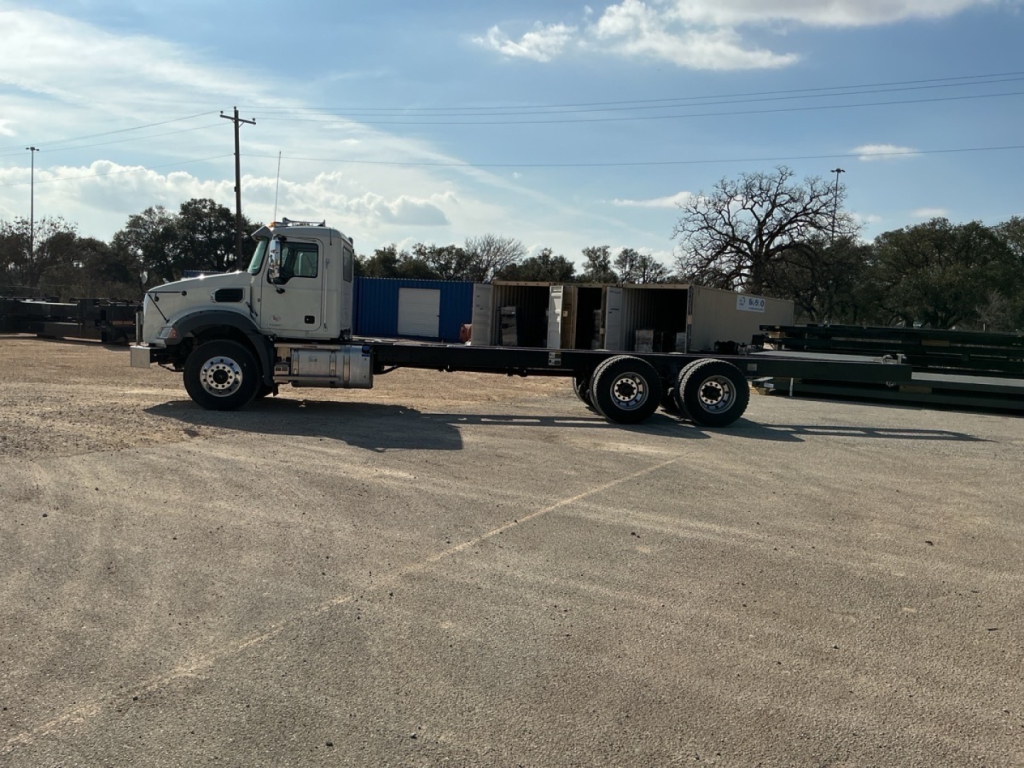
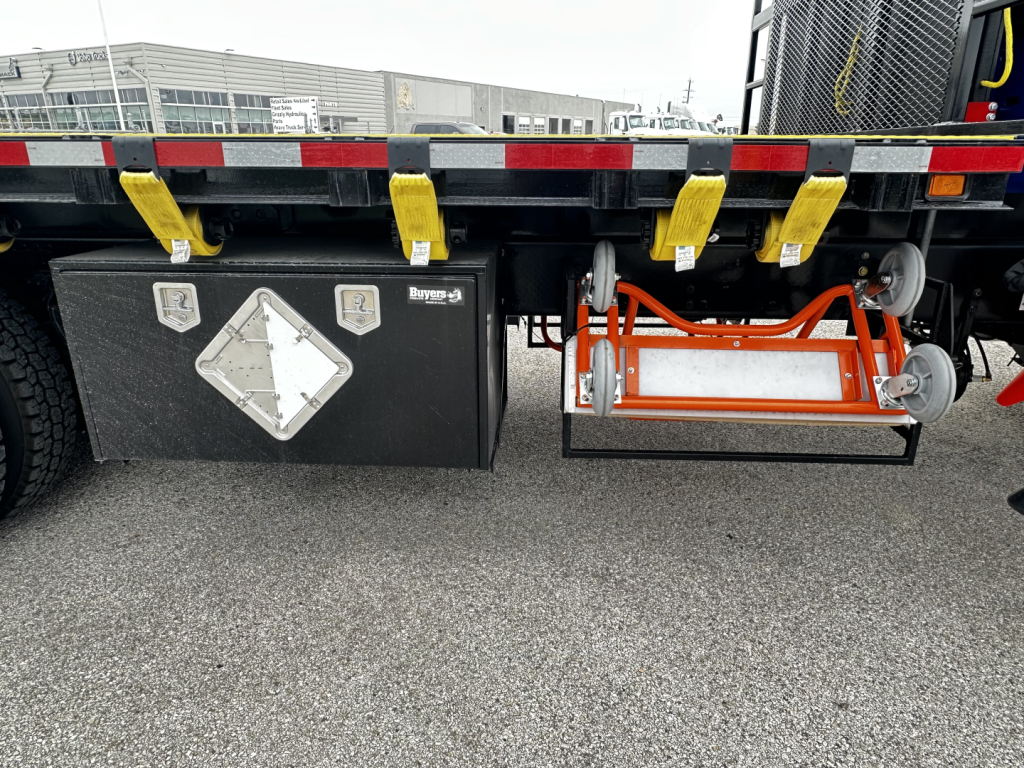
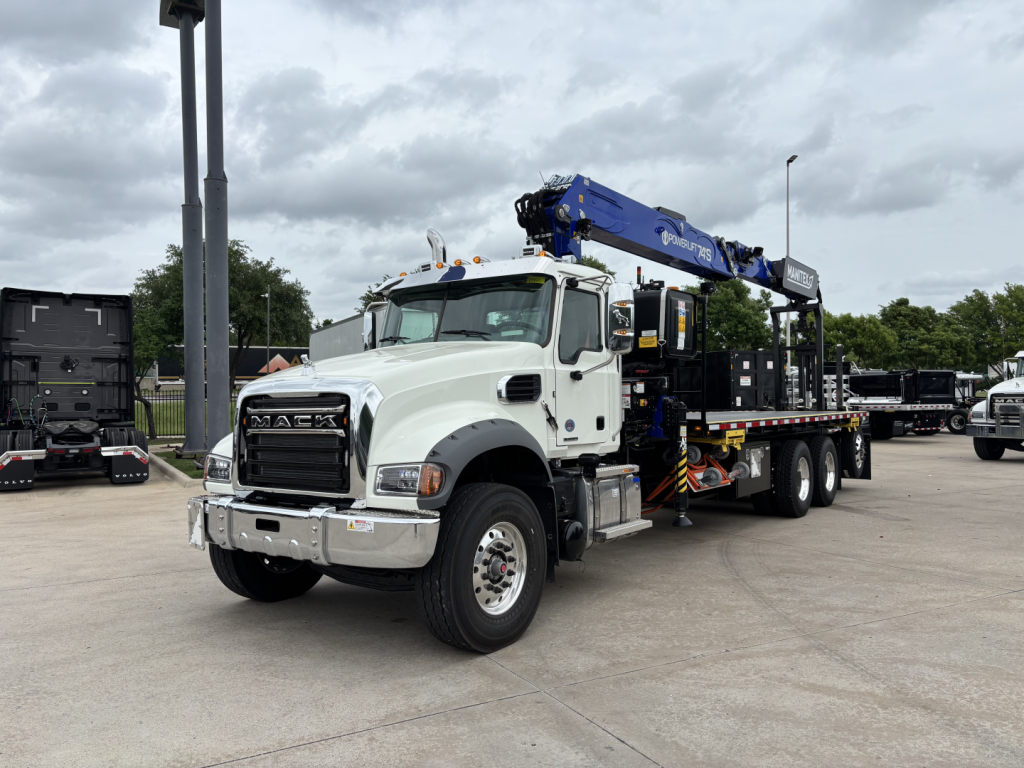
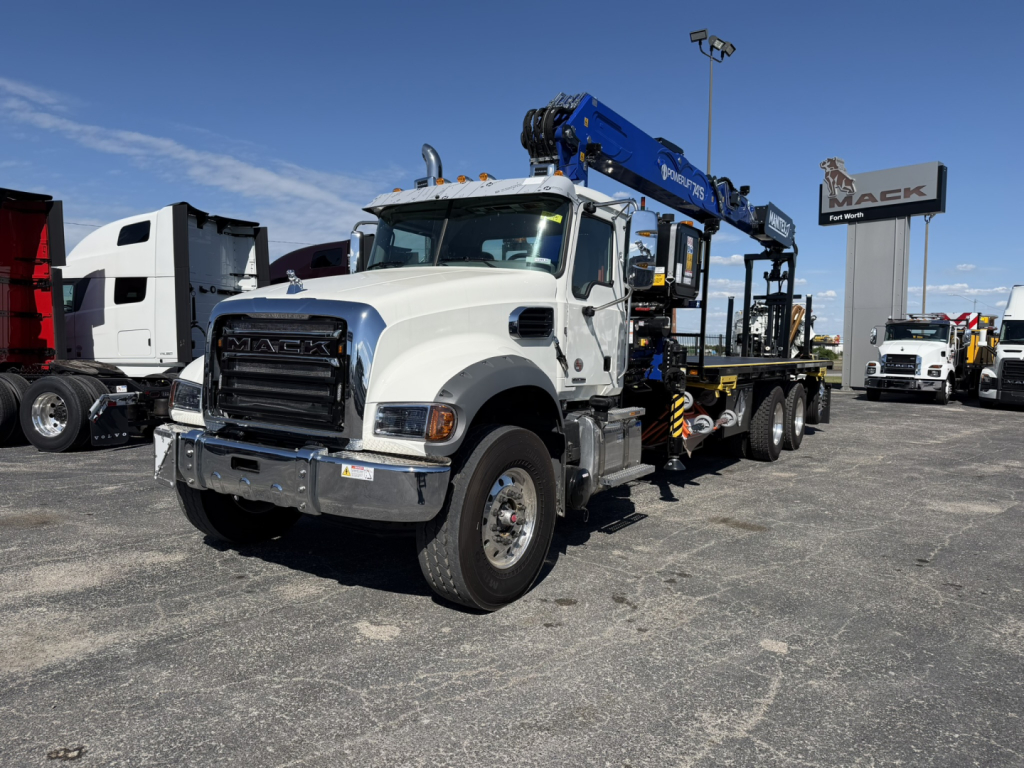
Showing 13 to 24 of 24 results
Have new crane truck to sell? List it here to reach thousands of buyers.
About New Crane Trucks
On new crane trucks, buyers usually start with the chassis and weight package. Common specs include tandem rear axles, high-GVWR configurations, long wheelbases for body and crane placement, and diesel engines in the 400 to 500 horsepower range. In this category, a setup like a 66,000 lb GVWR, 20,000 lb front axle, 46,000 lb rears, and a 13-speed automated manual is a typical heavy vocational foundation for a substantial crane body. Front axle capacity matters because crane weight and load transfer can put a lot of demand on the steer axle. Wheelbase, rear ratio, suspension choice, and frame reinforcement all affect stability, bridge compliance, maneuverability, and how well the truck carries the crane and payload together.
Crane configuration is where the truck becomes specialized. Buyers should look closely at boom type, lifting moment, maximum reach, body length, outrigger spread, and the available deck space ahead of and behind the crane pedestal. Some trucks are built around knuckleboom cranes for versatile loading and material placement, while others use stiff-boom or telescopic crane setups for more traditional boom truck work. PTO engagement, hydraulic pump sizing, control station layout, and remote-control capability all affect jobsite productivity. If the truck will handle palletized materials, pipe, rooftop units, or bundled construction product, it is worth checking tie-down provision, bed construction, stake pockets, and body-floor durability along with the crane chart.
A new crane truck also gives buyers the advantage of current emissions compliance, cleaner body integration, and a fresh spec that fits the route and load profile from day one. For fleet buyers, the right truck is the one that balances legal payload, lift performance, roadability, and setup time at the site. Pay close attention to axle placement, outrigger operation, gross combination limits if towing is required, and service access around the crane mount and hydraulic components. The best crane truck spec is the one that matches the actual pick radius, load weight, delivery pattern, and driver skill level, not simply the biggest crane on the tallest chassis.
Frequently Asked Questions
What is the difference between a crane truck and a boom truck?
The terms are often used interchangeably, but buyers should look at the actual crane style and body layout rather than the name alone. A crane truck is any truck with a permanently mounted lifting crane, while boom truck often refers more specifically to a telescopic boom configuration used for lifting and placing loads at height or distance. In the market, some units use knuckleboom cranes for material delivery and tighter placement, while others use straight or telescopic booms for more traditional lifting applications.
What specs matter most when buying a new crane truck?
The most important specs are crane capacity at the working radius, front and rear axle ratings, GVWR, wheelbase, body length, outrigger spread, and PTO-hydraulic compatibility. Buyers should also review frame strength, suspension type, transmission choice, and the weight of the crane itself because all of these affect legal payload and stability. A crane truck must be evaluated as a complete system, not just by advertised lift capacity.
Why is front axle rating so important on a crane truck?
Front axle capacity is critical because the crane mount, subframe, and load transfer can place substantial weight on the steer axle even before the truck is loaded with cargo. A truck that looks adequate on paper can become front-heavy once the crane, body, and hydraulic equipment are installed. Buyers should verify actual installed weights and planned operating conditions to avoid a spec that limits legal operation or reduces steering and braking performance.
Are new crane trucks better for rooftop delivery or general construction supply work?
They can be excellent for both, but the truck should be spec'd for the exact application. Rooftop delivery usually emphasizes reach, precise control, load placement, and body design for bundled materials. General construction supply work may prioritize deck space, versatility, and the ability to handle mixed loads such as pallets, pipe, or equipment. The right crane type, body design, and outrigger setup depend on how the truck will be used every day.
Should I choose a knuckleboom or a telescopic crane truck?
A knuckleboom is often preferred when the job requires compact stowage, flexible articulation, and efficient loading and unloading in tighter spaces. A telescopic crane truck is often better suited to applications that need straightforward boom extension, vertical lift, and conventional boom truck operation. The better choice depends on pick radius, headroom, site access, cycle time, and the kinds of materials being handled.