
New Mack Crane Trucks For Sale in Texas
Shop new Mack crane trucks for sale in Texas. Compare Granite-based crane truck specs, axle setups, PTO options, and jobsite-ready configurations.
Learn more
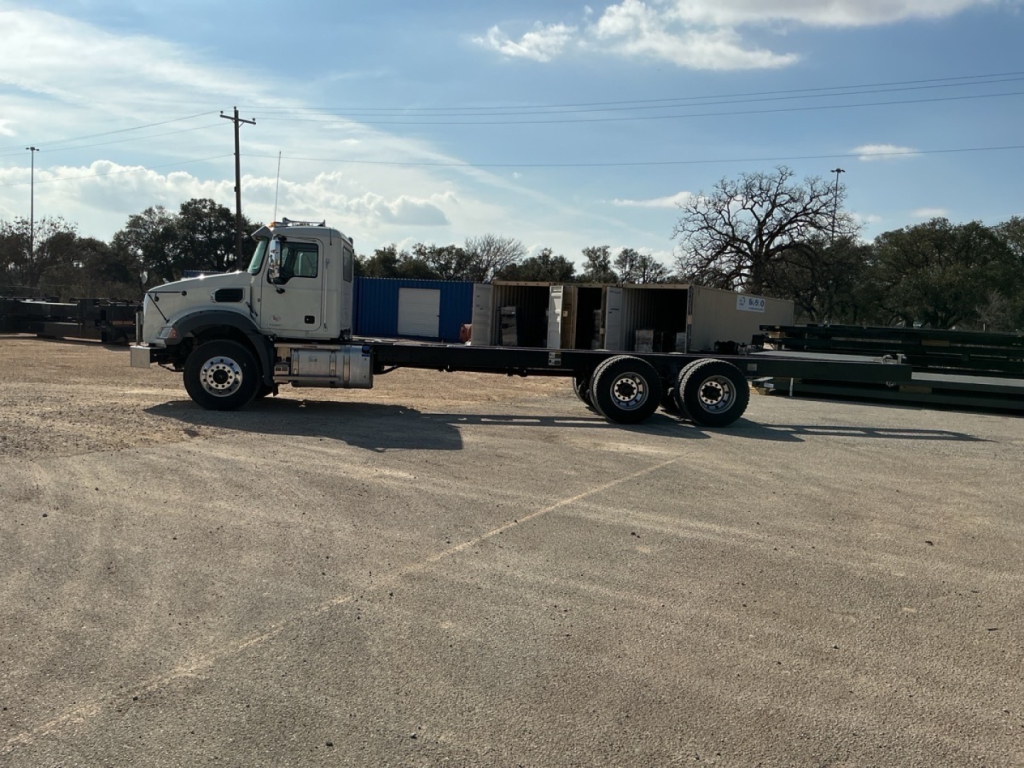
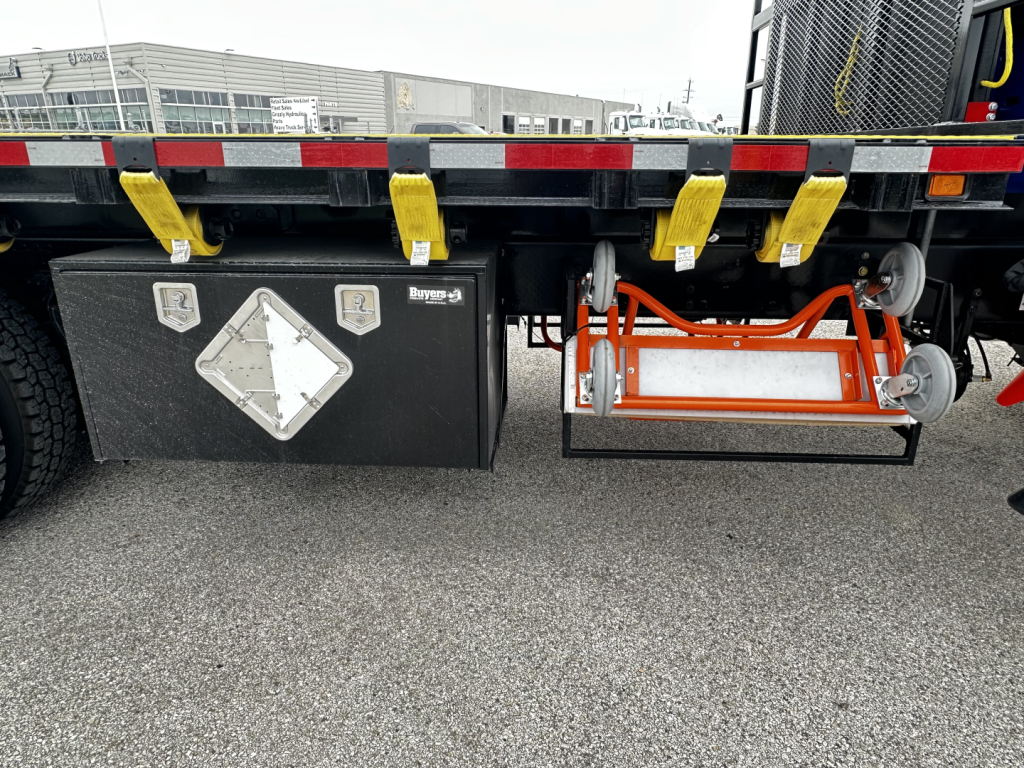
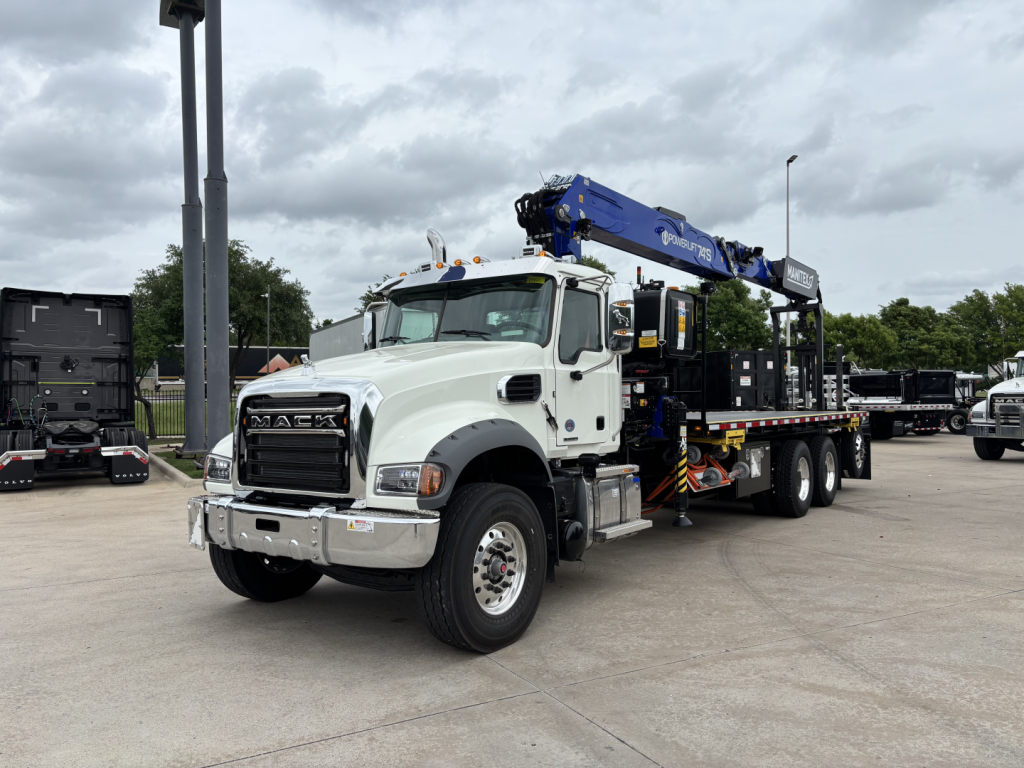
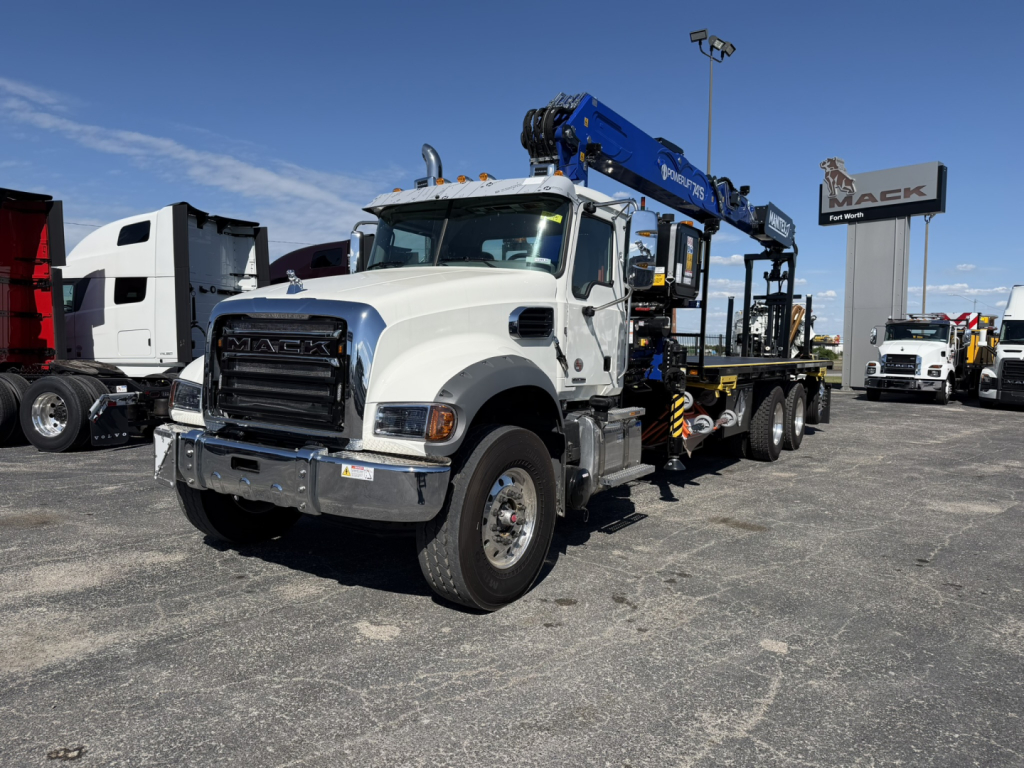
Showing 13 to 24 of 24 results
Have new mack crane truck to sell? List it here to reach thousands of buyers.
About New Mack Crane Trucks in Texas
A new Mack crane truck can be configured around several crane applications, including stiff boom, articulating crane, and wallboard crane setups. The right choice depends on what you lift most often, how far you need to reach, and whether the truck also serves as a delivery platform. Wallboard and boom truck configurations are popular for material delivery because they pair a flatbed body with a rear-mounted or mid-mounted crane, often with tool storage, strap management, and dunnage or cribbing storage built in. Common buyer checkpoints include rated lifting capacity, hydraulic reach, PTO and pump sizing, outrigger spread, deck length, and the amount of remaining payload after the crane and body are mounted. If the truck will spend time on urban jobsites, turning radius, cab visibility, and bridge law compliance can matter as much as raw crane rating.
Mack powertrain choices are a major part of the buying decision. Many new Mack crane trucks are spec'd with diesel engines in the vocational horsepower range, paired with automated manual or manual transmissions depending on fleet preference and operator familiarity. PTO compatibility, engine torque at working RPM, and axle ratio all affect how well the truck performs when moving loaded and when powering the hydraulic system. Buyers should also review front axle rating, rear suspension type, tag axle options, and brake configuration, since crane trucks often carry concentrated weight and need predictable control on mixed pavement and jobsite surfaces. In Texas, heat, long highway runs, and mixed rural-urban duty cycles also make cooling capacity, fuel capacity, and cab durability worth close attention.
The upfit matters as much as the chassis. A well-spec'd Mack crane truck should be evaluated as a complete package, including the crane manufacturer, subframe design, body construction, outrigger system, tie-down layout, and safety equipment. Features like integrated toolboxes, headache racks, load securement points, work lights, and backup cameras can improve daily productivity. Buyers comparing new units should confirm how the crane rating is measured, how much deck space remains usable, and whether the truck is set up for the exact materials or equipment they handle most often. A good crane truck spec is not just about maximum lift. It is about legal weight, stable operation, serviceability, and getting material on and off the truck efficiently without giving up chassis life.
Frequently Asked Questions
What is the most important spec to compare on a new Mack crane truck?
The most important spec is the complete working configuration, not just the chassis or the crane by itself. Buyers should compare front axle capacity, wheelbase, body length, crane location, outrigger spread, and remaining payload after the upfit is installed. A truck with a strong crane rating can still be a poor fit if the deck becomes too short, the axle weights are imbalanced, or the legal payload drops too far for the intended work.
Are Mack Granite models a common choice for crane trucks?
Yes. Mack Granite models are widely used for crane truck applications because they are designed for vocational service and can be spec'd for high front axle loads, durable frame requirements, and PTO-driven hydraulic equipment. That makes them a practical platform for boom trucks, wallboard cranes, and other lifting applications where the truck needs to travel loaded and work on uneven jobsites.
What crane truck features matter most for Texas operations?
Texas buyers usually prioritize cooling performance, highway stability, fuel capacity, and a spec that can handle both long travel distances and demanding jobsite conditions. Axle configuration, suspension choice, and brake setup matter because many trucks split time between paved roads, developing subdivisions, industrial sites, and rural delivery points. Heat resistance, service access, and dependable hydraulic performance are also important in this market.
How do I choose between a wallboard crane truck and a general boom truck?
A wallboard crane truck is typically optimized for placing drywall, roofing, and building materials with reach and delivery efficiency in mind, often using a flatbed and specialized load handling layout. A general boom truck may be better suited for broader lifting tasks, equipment handling, or construction support where material type and pick requirements vary more. The right choice comes down to what you carry, how often you need horizontal reach versus deck capacity, and whether the truck is primarily a delivery unit or a lifting unit.
Why does payload change so much on a crane truck?
Payload changes because the crane, subframe, body, outriggers, toolboxes, and related hydraulic equipment add substantial weight before any cargo is loaded. The heavier and more complex the upfit, the less legal carrying capacity remains on the chassis. That is why serious buyers review the actual completed weight and axle distribution of the finished truck rather than relying only on the base chassis rating.