
Used Kenworth Conventional Sleeper Trucks For Sale in Illinois
Shop used Kenworth conventional sleeper trucks in Illinois. Compare T680 specs, sleeper sizes, engine options, wheelbases, and fuel-saving setups.
Learn more
2025 Kenworth T-680 Next Gen
2024 Kenworth T-680 Next Gen
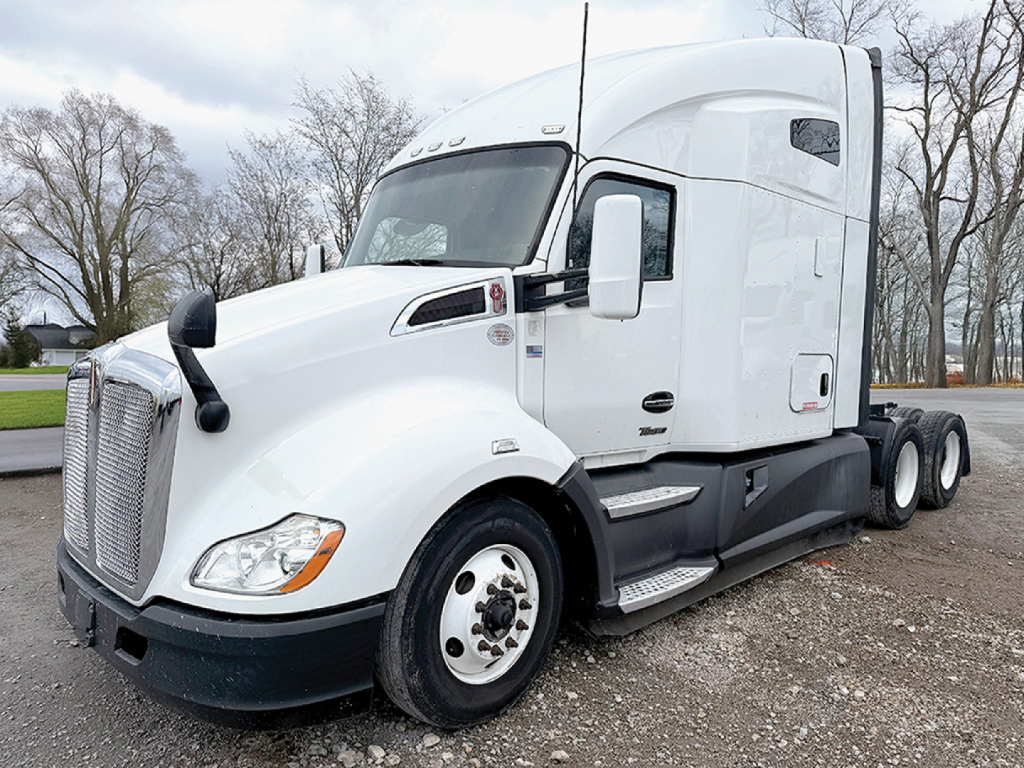
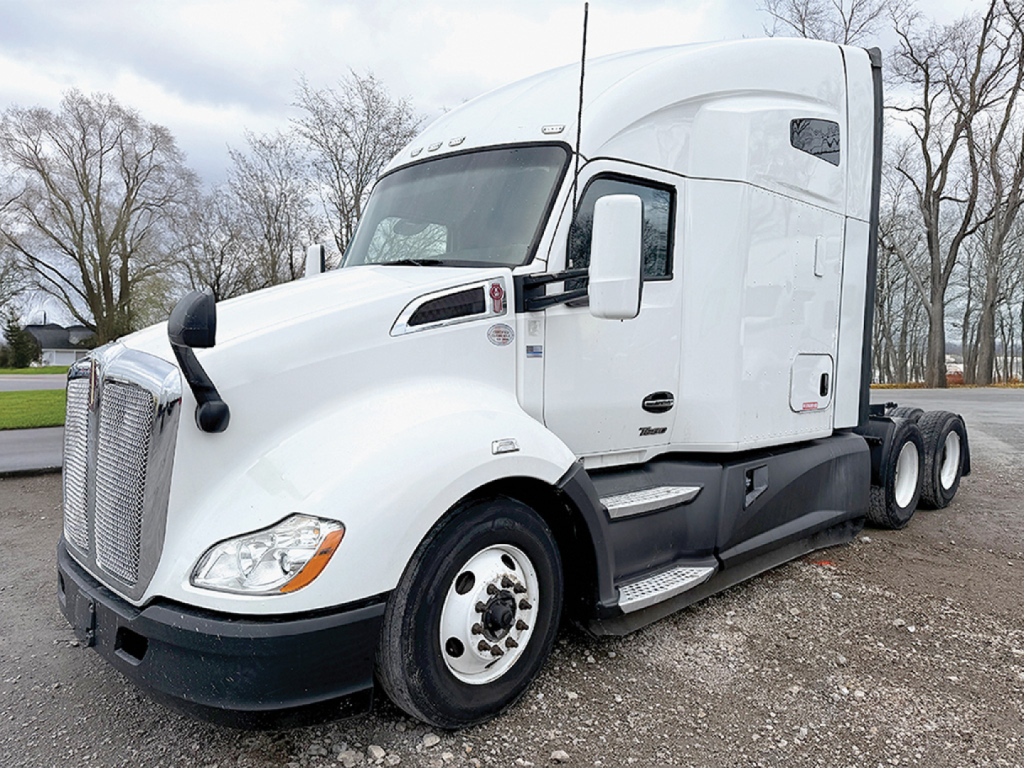
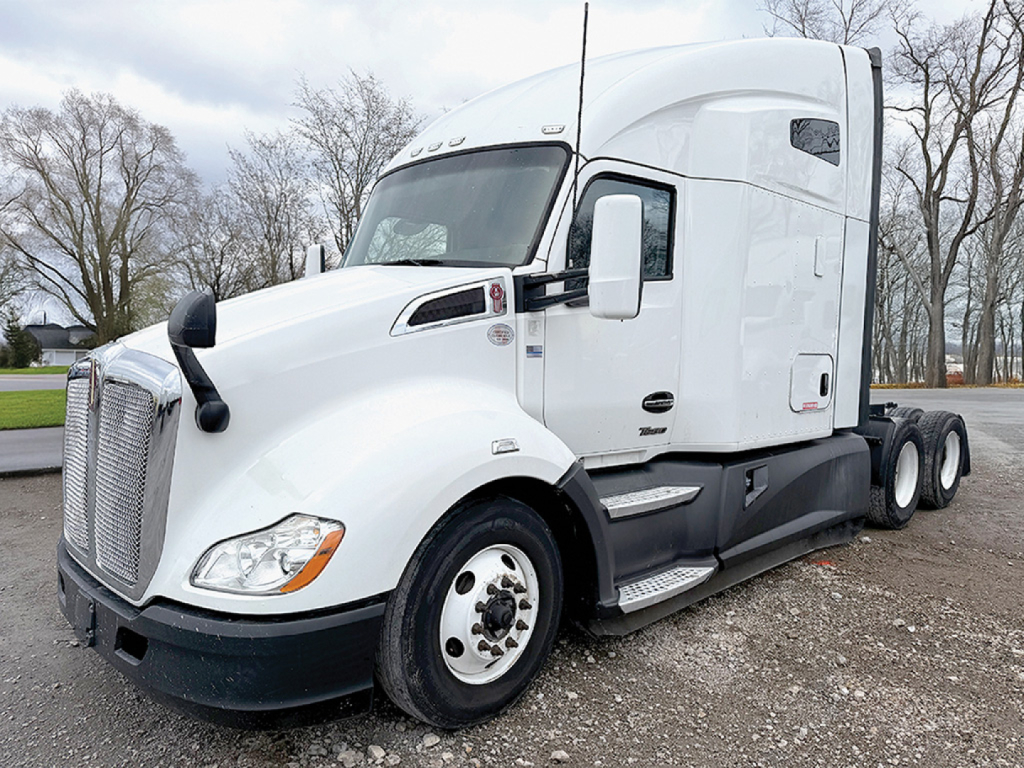
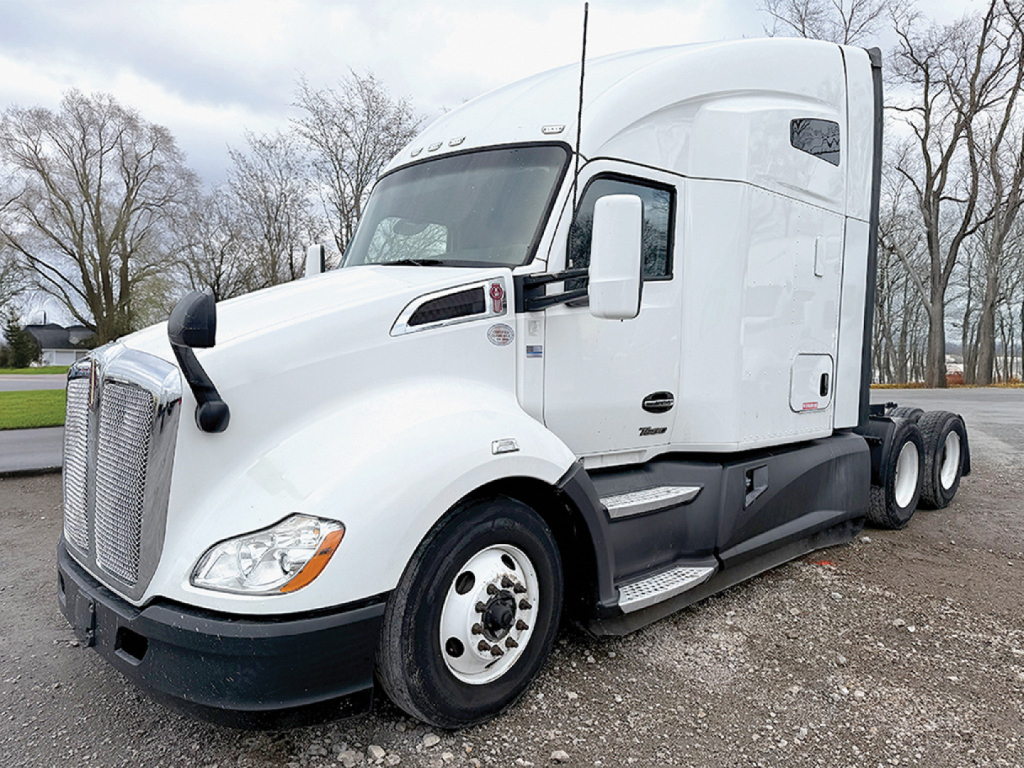
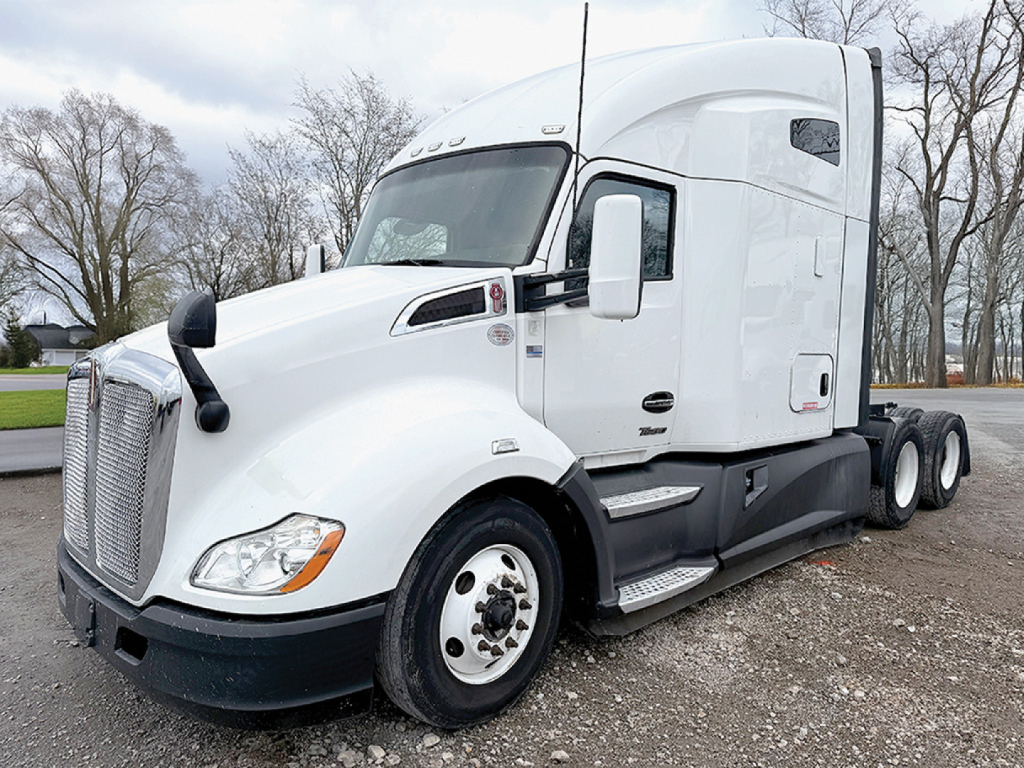
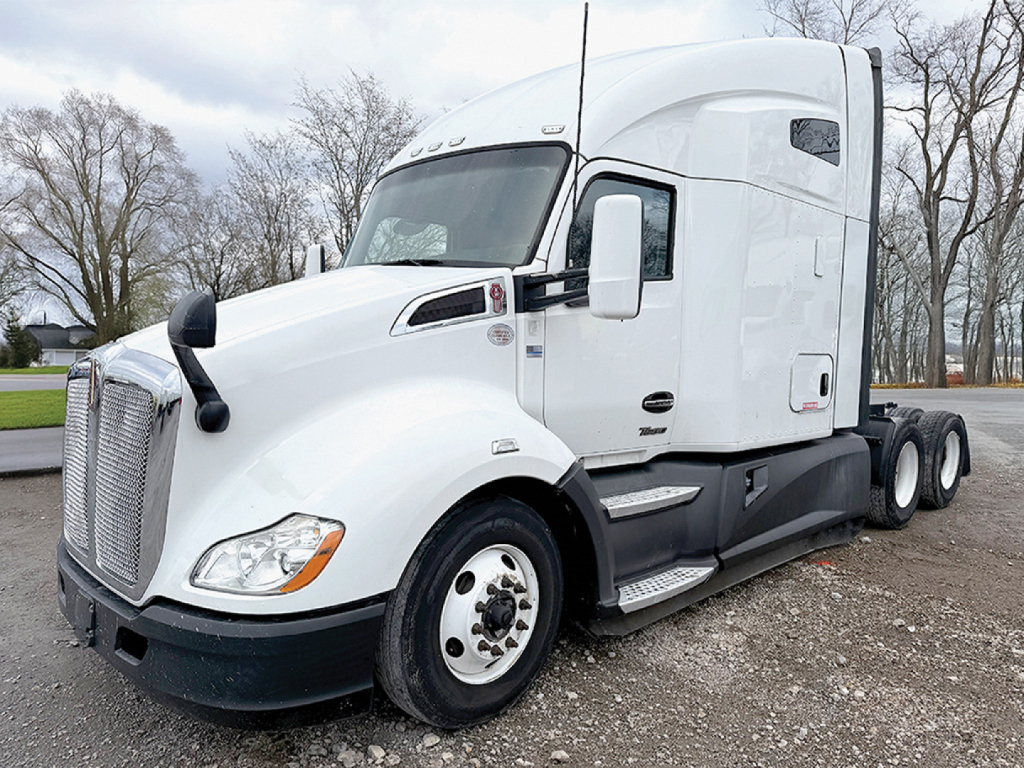
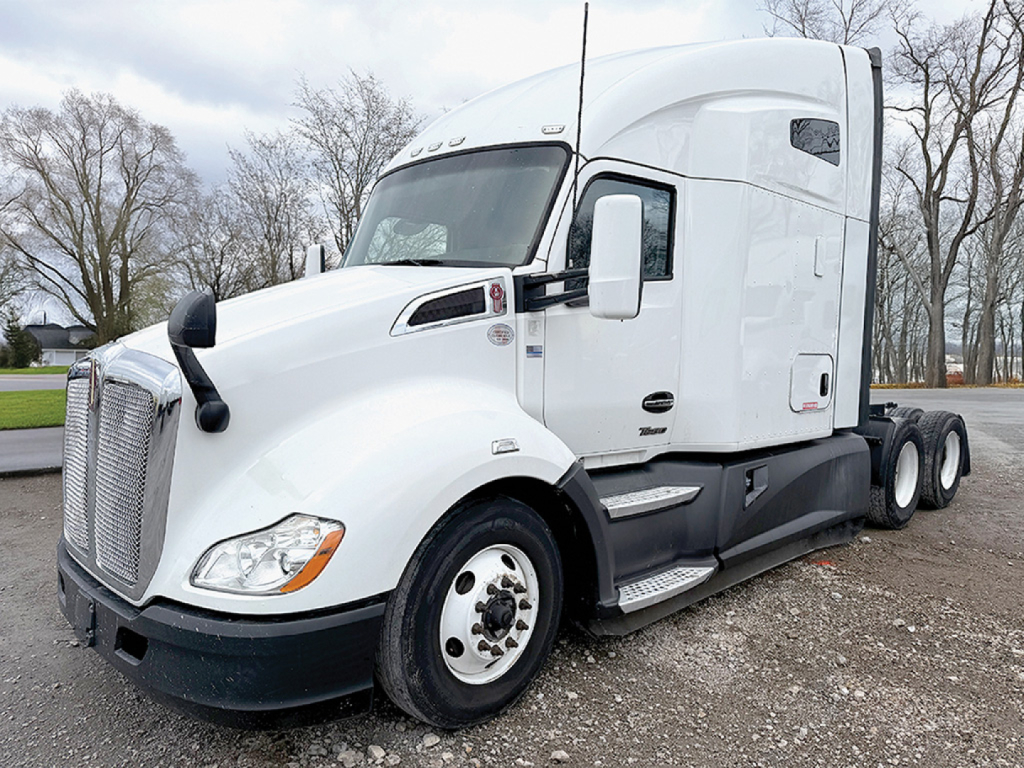
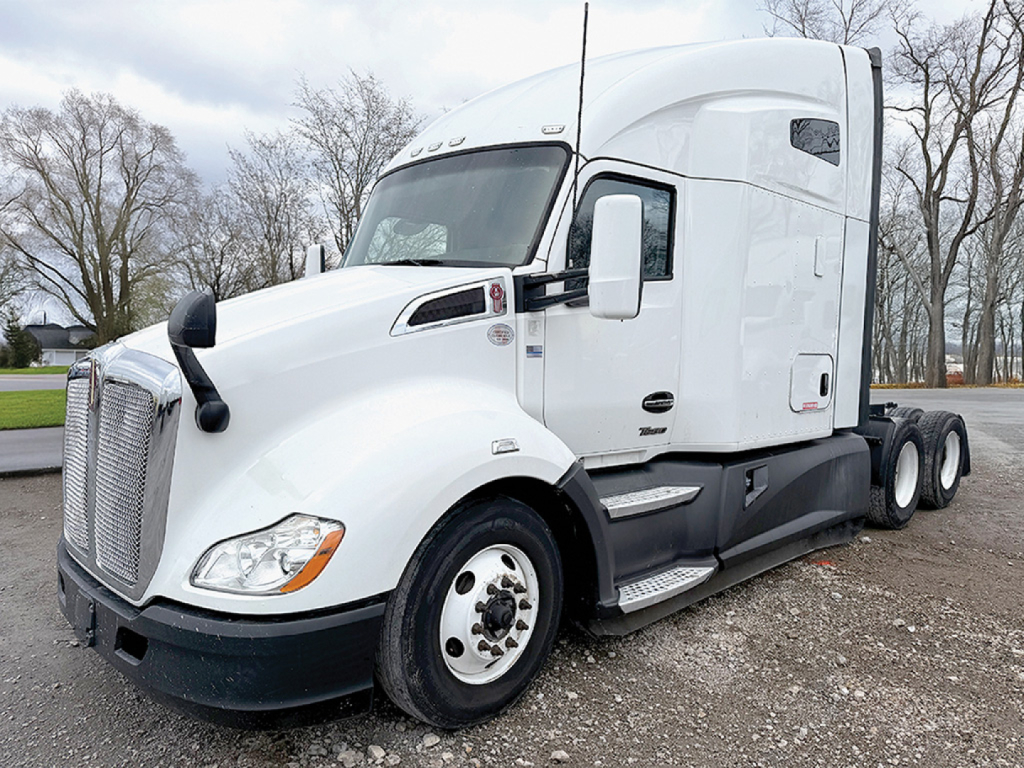
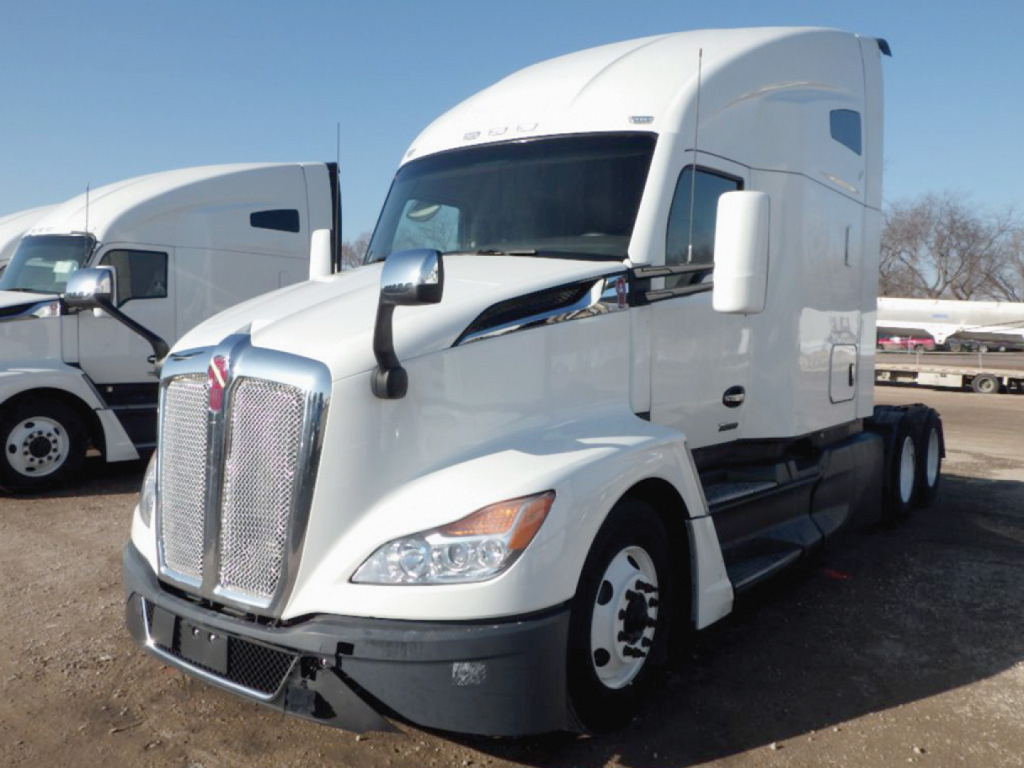
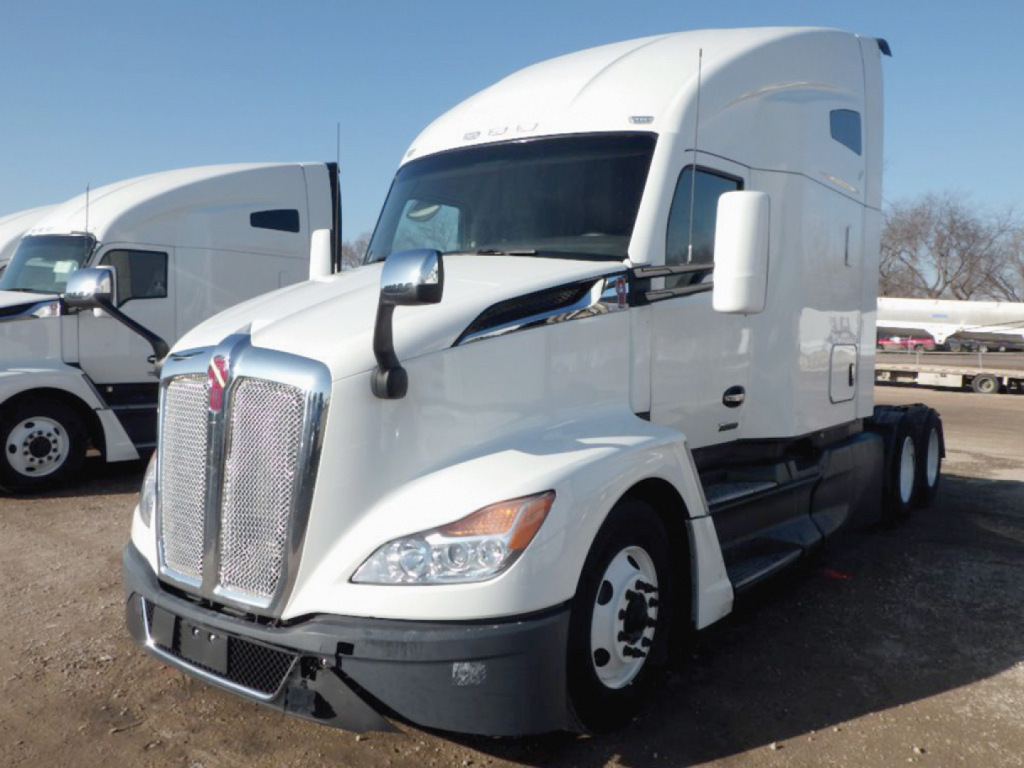
Showing 13 to 24 of 29 results
Have used kenworth conventional sleeper truck to sell? List it here to reach thousands of buyers.
About Used Kenworth Conventional Sleeper Trucks in Illinois
The biggest spec split is usually engine and drivetrain. Many used Kenworth sleepers in this class carry PACCAR MX-13 or Cummins X15 power, most often in the 450 to 455 horsepower range with automated manual transmissions such as the PACCAR 12-speed or Eaton Endurant family. Rear axle ratings around 40,000 pounds are standard, with ratios like 2.79 aimed at fuel mileage and taller road speeds, while 3.25 gearing can make more sense for heavier freight, mixed terrain, or vocational crossover work. Wheelbases in the low 220-inch range are common for fleet linehaul tractors, while longer wheelbases can support larger tanks, different fairing packages, or a more owner-operator oriented look. Disc brakes, air ride suspension, low-pro tires, and aluminum wheels are all common on late-model highway specs.
Sleeper configuration matters more than many buyers expect. A 76-inch high-roof sleeper usually gives the best standing room and is better suited to teams, extended trips, or drivers who want a refrigerator, workstation, shore power, or upper bunk. A mid-roof can still be a strong fit for regional operations and may save some weight while keeping a full sleeper package. Interior trim levels, bunk heaters, climate control, digital dash layouts, and collision mitigation systems can have real value in retention and operating consistency, especially if the truck will stay on a scheduled route. Outside the cab, look closely at side fairings, cab extenders, quarter fenders, stack location, and tank size because those details affect service access, aerodynamics, and how easily the tractor matches your trailers.
For a used buyer, the right Kenworth conventional sleeper is less about brand reputation alone and more about matching the truck's prior spec to your freight and maintenance model. Check engine history, emissions system service records, transmission calibration updates, brake type, tire wear pattern, and suspension condition. Confirm the fifth wheel setup, frame layout, and wheelbase work with your trailer swing clearance and kingpin settings. In Illinois and surrounding states, a fuel-efficient aero T680 with a 2.79 ratio can make sense for dry van and reefer lanes, while a longer-wheelbase or higher-ratio truck may better suit specialized freight or heavier average gross weights. A well-matched used Kenworth sleeper can deliver strong resale value, driver acceptance, and predictable highway performance if the spec is right.
Frequently Asked Questions
What is the most common used Kenworth conventional sleeper model in this category?
The Kenworth T680 is the most common used conventional sleeper in this category. It is widely used in over-the-road and regional fleet service because it combines aerodynamic bodywork, modern sleeper layouts, and a broad range of powertrain options. Late-model examples often include 76-inch sleepers, automated manual transmissions, and fuel-efficiency specs built for highway freight.
Which engine is better in a used Kenworth sleeper, the PACCAR MX-13 or Cummins X15?
The better choice depends on your shop support, operating weight, and maintenance preferences. The PACCAR MX-13 is common in fleet highway tractors and is often chosen for fuel-focused linehaul work. The Cummins X15 is popular with buyers who prioritize widespread parts and service access, familiar diagnostics, and strong performance across varied duty cycles. On a used truck, service history and emissions maintenance are usually more important than the badge on the valve cover.
What rear axle ratio should I look for in a used Kenworth T680 sleeper?
A 2.79 rear axle ratio is a common choice for fuel-efficient highway operation, especially on dry van and reefer lanes running at steady interstate speeds. A 3.25 ratio may be a better fit if the truck will pull heavier loads, see more stop-and-go work, or operate in terrain where stronger launch and gradeability matter. The right ratio should be matched to tire size, transmission gearing, average gross weight, and cruise speed.
Is a 76-inch high-roof sleeper better than a mid-roof sleeper?
A 76-inch high-roof sleeper is usually better for long-haul use, team driving, and drivers who need maximum storage and stand-up room. It also tends to accommodate features like an upper bunk, refrigerator, workstation, and shore power more comfortably. A mid-roof sleeper can still work well for regional service and may be attractive when weight, overall profile, or a more compact spec is the priority.
What should I inspect first on a used Kenworth conventional sleeper truck?
Start with engine and aftertreatment service history, then verify transmission operation, fault codes, suspension wear, brake condition, and tire pattern. After that, confirm the fifth wheel type, wheelbase, rear axle ratio, and frame layout match your trailers and freight. On sleeper tractors, buyers should also inspect bunk HVAC, heater operation, interior controls, and driver-assist systems because those features affect both uptime and driver acceptance.