
Used International Conventional Sleeper Trucks For Sale in Illinois
Browse used International conventional sleeper trucks in Illinois. Compare LT625 and 9400I specs, sleeper sizes, powertrains, and buyer considerations.
Learn more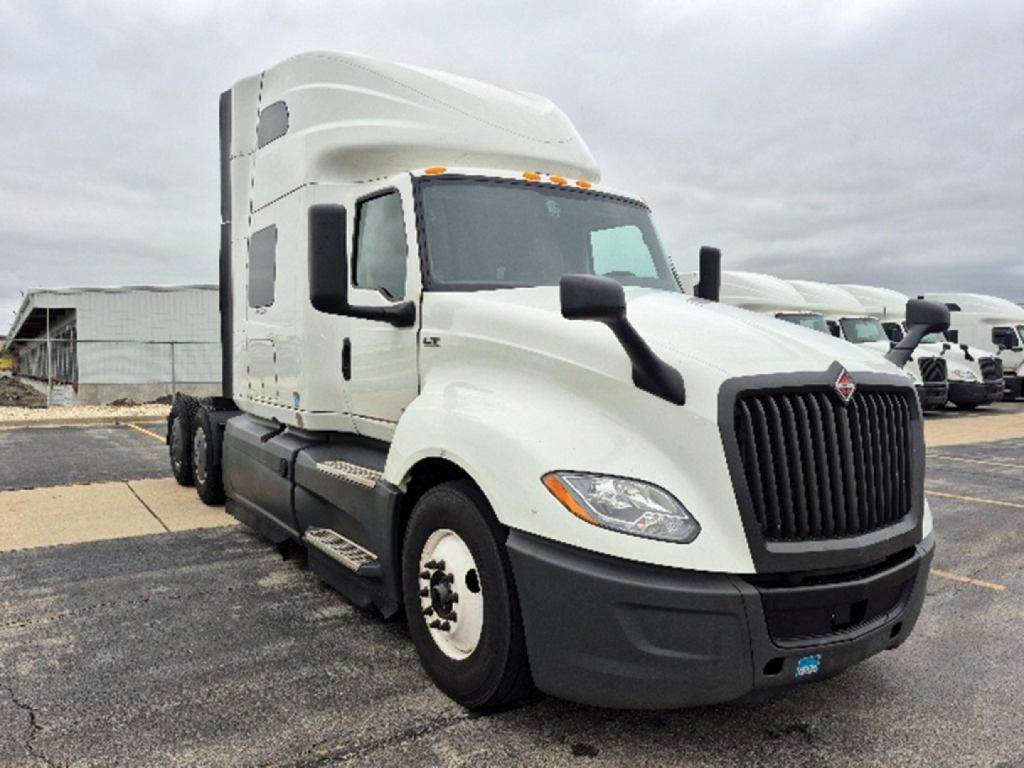

Showing 13 to 20 of 20 results
Have used international conventional sleeper truck to sell? List it here to reach thousands of buyers.
About Used International Conventional Sleeper Trucks in Illinois
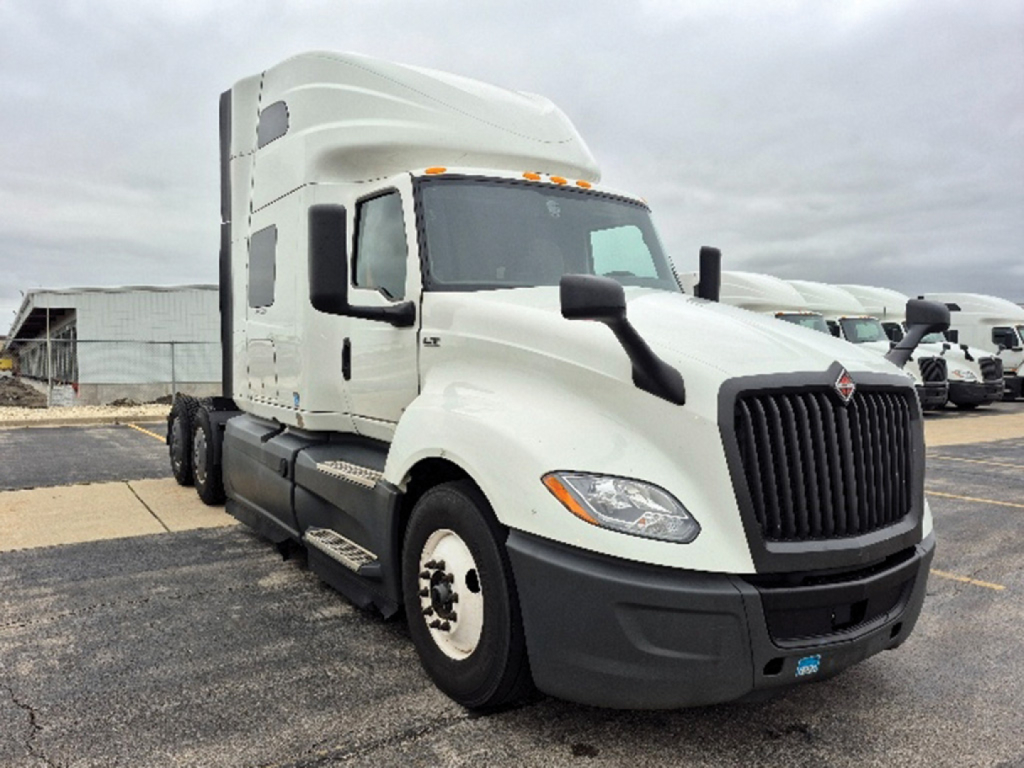
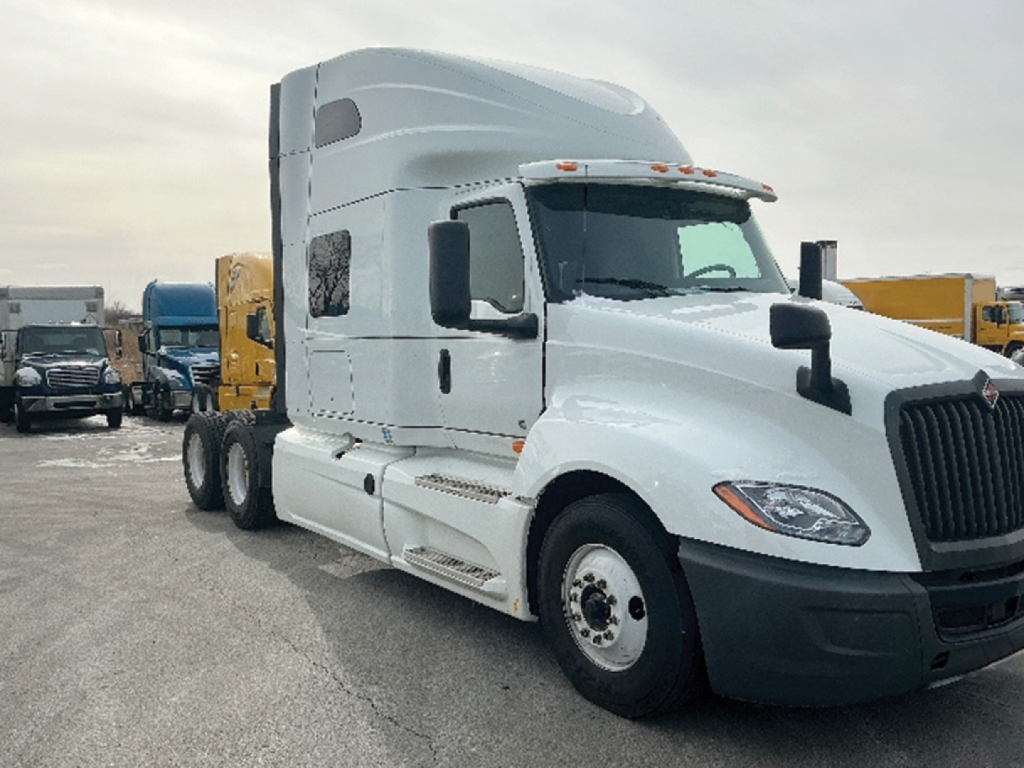
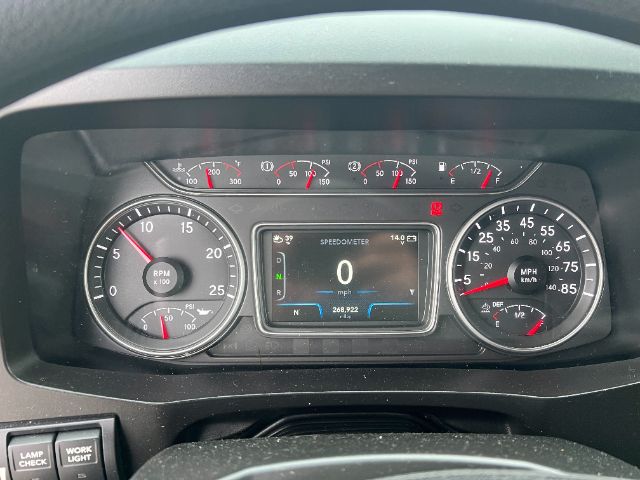
A conventional sleeper truck is built for linehaul freight, longer trip cycles, and drivers who spend nights in the cab. Key buying points include wheelbase, sleeper length, roof height, axle rating, and drivetrain ratio. International sleepers are often found in fleet specs designed for fuel economy and serviceability, so it is common to see 6x4 tandem drive setups, aerodynamic fairings, and integrated sleeper storage. Buyers should pay close attention to miles, idle hours, aftertreatment history, and clutch or transmission calibration history on automated units. On higher-mileage used trucks, a clean maintenance record matters as much as engine model or advertised horsepower.
In Illinois service, application matters. A truck running Chicago-based long-haul freight may have very different wear patterns than a regional sleeper that stayed in the Midwest. Winter road treatment can affect frame condition, crossmembers, air tanks, wiring, and cab mounts, so corrosion inspection is important. Suspension type, tire condition, brake life, and fifth wheel wear should be checked closely, especially on units that spent years in steady trailer interchange service. If the truck is intended for reefer, dry van, or dedicated contract freight, match the spec to the lane. A tall sleeper and downsped drivetrain may suit highway work, while a lighter spec can make more sense for shorter regional turns.
International conventional sleepers remain a practical choice because parts support is broad, the cabs are familiar to many drivers, and used market pricing often compares favorably with other highway tractor brands. The best truck in this category is usually the one with the right emissions system condition, documented engine service, and a sleeper layout that fits the operation. For buyers comparing used International sleeper trucks, the real value is not just purchase price. It is how well the truck's spec, maintenance history, and remaining service life align with the freight it will pull.
Frequently Asked Questions
What should I look for when buying a used International conventional sleeper truck?
Start with the powertrain and maintenance file. Confirm the engine model, transmission type, mileage, idle hours, and any major repairs already completed. On newer LT Series trucks, review aftertreatment service, fault history, and automated transmission calibration records. On older trucks such as the 9400i, inspect for engine leaks, cooling system condition, suspension wear, and frame corrosion. Sleeper condition, bunk layout, HVAC performance, and electrical function also matter because these directly affect driver comfort and uptime.
Are International LT625 sleeper trucks good for long-haul freight?
Yes, the LT625 is a common long-haul conventional sleeper spec. It was designed as a highway tractor with aerodynamic bodywork, sleeper options for solo or team operations, and powertrains such as the Cummins X15 paired with automated transmissions. For a buyer focused on fuel economy and driver comfort, the LT625 is often a strong fit for dry van, reefer, and general over-the-road freight. The main used-truck concern is the condition of the emissions system and the consistency of prior maintenance.
Why do some buyers still want an International 9400i sleeper?
The 9400i remains popular with some buyers because many units were built before the later emissions systems that added complexity to modern diesel trucks. A pre-emissions 9400i can appeal to owners who want a simpler platform, especially for specialized use or lower annual mileage operations. The tradeoff is age. Buyers need to inspect carefully for worn interiors, dated wiring, suspension fatigue, and component availability related to older truck systems.
Does Illinois location matter when evaluating a used sleeper truck?
Yes. Illinois trucks often see heavy interstate use, urban congestion, winter weather, and road salt exposure. That combination can increase idle hours, driveline wear, and corrosion on frames, brackets, air system components, and electrical connections. A thorough undercarriage inspection is important, especially on trucks that worked year-round in Chicago-area service. Service records showing regular PM intervals and rust prevention work can add real value.
What sleeper configuration is best for a used conventional sleeper truck?
The best sleeper depends on the route and driver setup. A double bunk is useful for team operations, slip-seat use, or drivers needing more storage on extended runs. A smaller sleeper may be enough for regional lanes with fewer overnight trips and can reduce weight. Buyers should also consider roof height, cabinet layout, mattress condition, inverter setup, and auxiliary climate features because these details affect retention, comfort, and day-to-day practicality.