
Used Sterling Conventional Daycab Trucks For Sale in New York
Have used sterling conventional daycab truck to sell? List it here to reach thousands of buyers.
Used Sterling Conventional Daycab Trucks in New York
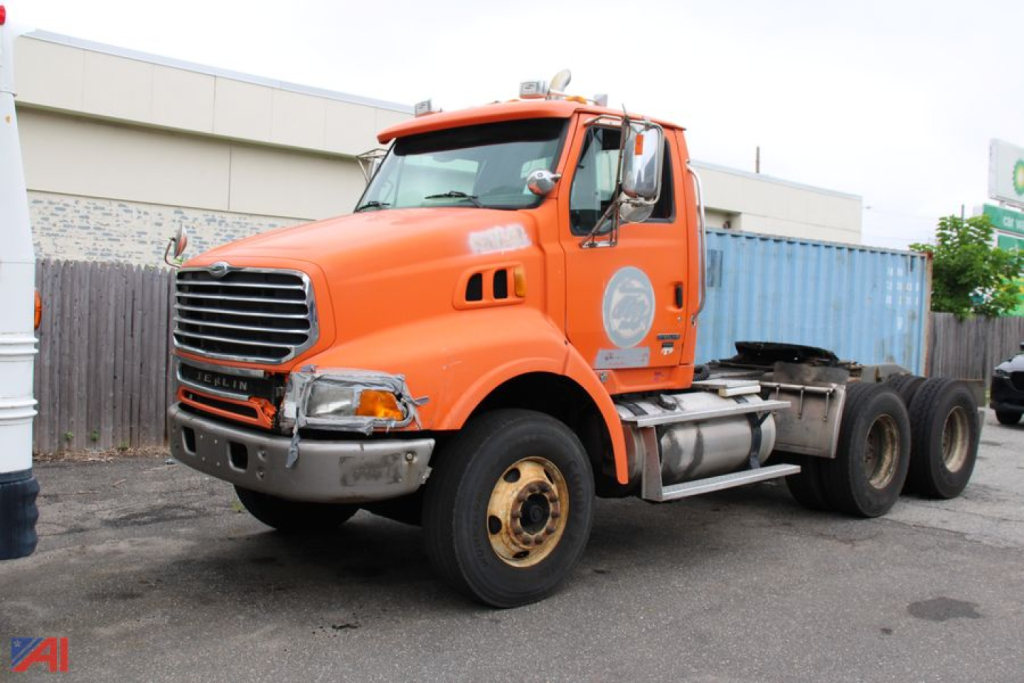
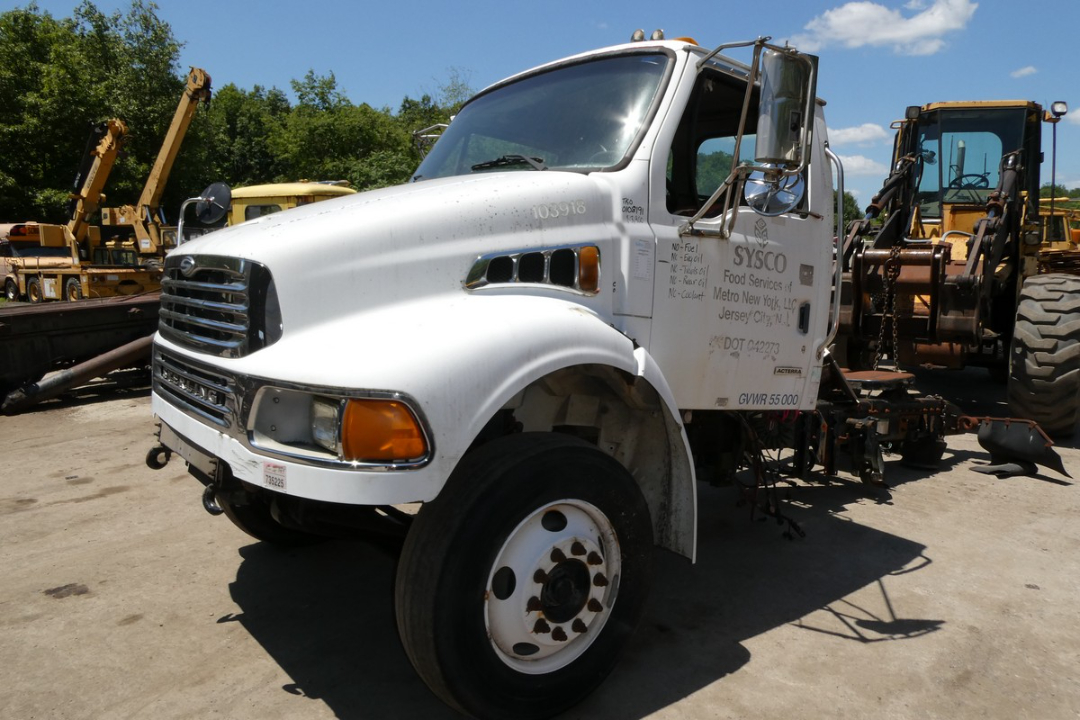
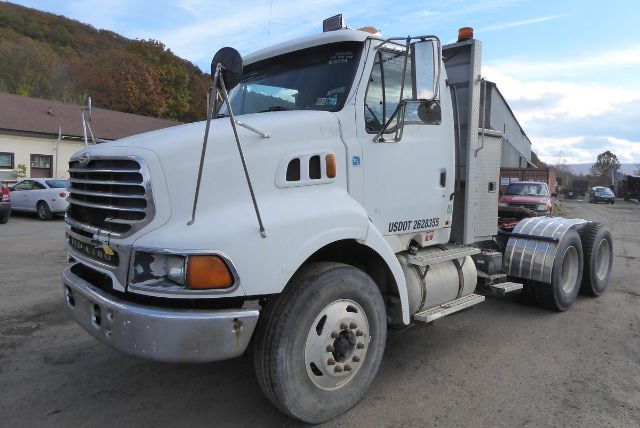
The first decision is usually application and frame layout. A Sterling conventional daycab can be set up as a highway tractor with a sliding or fixed 5th wheel, or as a vocational chassis with PTO, hydraulic pump, headache rack, and tool storage. Wheelbase, cab-to-axle, and cab-to-end dimensions matter if the truck will be used for a wet kit, roll-off, dump, tanker, or trailer spotting role. Tandem rear trucks with 40,000 lb rears, air ride suspension, and power divider are better suited for heavier pulling and mixed on-road jobsite use, while lighter single-axle Acterra configurations fit urban delivery, municipal, and utility work where tighter turning radius and lower operating weight matter more.
Powertrain specs on used Sterling daycabs vary widely, so buyers should focus on the complete combination rather than engine horsepower alone. Common engines include Caterpillar C12 and Cummins ISC platforms, often paired with 9-speed or 10-speed Eaton Fuller manuals or Allison automatics in medium-duty applications. Rear axle ratio affects startability, cruise rpm, and vocational performance, especially on trucks running PTO equipment or making frequent stops. Suspension type also changes the truck's role. Hendrickson and Airliner air ride suspensions improve ride quality and trailer protection, while axle rating, tire size, and wheel type help confirm the truck's intended payload and service class.
For New York buyers, condition and corrosion are just as important as spec. Frame rails, crossmembers, cab mounts, spring hangers, air tanks, brake components, wiring, and fuel tank straps deserve close inspection on any used Sterling daycab that has seen winter roads. Pay attention to engine brake operation, transmission functionality, A/C status, PTO engagement, and signs of prior frame modifications. Sterling trucks are no longer produced, but many parts remain available through Freightliner and aftermarket channels because these trucks often shared components with other Daimler products. A well-matched Sterling conventional daycab can still be a cost-effective truck for local hauling, yard work, and vocational service if the chassis spec aligns with the job.
Frequently Asked Questions about Used Sterling Conventional Daycab Trucks in New York
What is a Sterling conventional daycab truck best used for?
A Sterling conventional daycab truck is best suited for local and regional work where sleeper space is unnecessary. Common uses include short-haul freight, municipal service, dump and equipment trailer work, tanker applications, yard spotting, and other vocational jobs that require a durable chassis, good visibility, and easy cab access. The right use depends on axle configuration, frame setup, PTO equipment, and wheelbase.
Are Sterling daycab trucks still practical to own since Sterling is no longer in production?
Yes, many Sterling daycab trucks are still practical to own, especially for buyers who value lower acquisition cost and proven mechanical drivetrains. Sterling was tied closely to Freightliner and Daimler, so many chassis, cab, brake, suspension, and drivetrain parts are still obtainable through OEM-related and aftermarket sources. Practical ownership depends more on the specific truck's condition, engine platform, and intended use than on the badge alone.
What specs matter most when comparing used Sterling conventional daycabs?
The most important specs are engine model, transmission type, axle rating, rear axle ratio, suspension, wheelbase, and frame layout. Buyers should also confirm whether the truck has a sliding or stationary 5th wheel, PTO capability, hydraulic equipment, and the correct cab-to-axle measurement for the intended body or trailer setup. These details determine how well the truck will perform in city work, trailer pulling, or vocational service.
Should I choose a tandem-axle Sterling daycab or a single-axle model?
A tandem-axle Sterling daycab is generally the better choice for heavier trailer loads, rougher jobsite access, and applications that need more traction and axle capacity. A single-axle model is often a better fit for lighter local routes, tighter urban operation, and lower operating weight. The decision should be based on gross vehicle weight requirements, trailer type, bridge law considerations, and how much maneuverability the job demands.
What should I inspect on a used Sterling daycab in New York?
In New York, buyers should inspect the frame, cab structure, suspension mounts, brake hardware, air system, electrical connections, and undercarriage closely for rust and winter-road corrosion. It is also important to test the transmission, clutch or automatic operation, engine brake, PTO function, steering play, and HVAC performance. Service records, idle hours, and evidence of frame alterations can be just as important as odometer mileage on an older vocational daycab.