
Used Peterbilt Conventional Daycab Trucks For Sale in New York
Used Peterbilt conventional daycab trucks for regional haul, vocational work, and terminal service. Compare engines, wheelbases, axles, and specs.
Learn more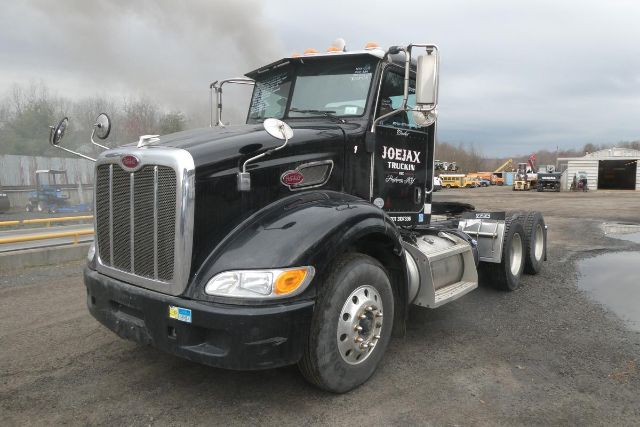
Have used peterbilt conventional daycab truck to sell? List it here to reach thousands of buyers.
About Used Peterbilt Conventional Daycab Trucks in New York
Engine and drivetrain specs matter more than badge preference. Many used Peterbilt daycabs are equipped with PACCAR MX-13 engines in the 430 to 510 hp range, often paired with Fuller or Eaton 10-speed, 13-speed, or automated transmissions. Rear axle ratings commonly fall around 40,000 lb, with front axles often at 12,000 lb or higher depending on the intended work. Buyers comparing highway and vocational setups should pay close attention to rear axle ratio, suspension type, and wheelbase. A 3.08 or 3.36 ratio may suit fuel-conscious regional hauling, while heavier start-stop or off-road applications often benefit from different gearing and more robust suspensions. Air ride is common on fleet tractors, while vocational specs may include heavier spring or severe-duty air suspensions.
A used Peterbilt daycab should also be evaluated by frame layout and coupling equipment. Single-frame and double-frame configurations, air slide fifth wheels, cab-to-axle measurement, and overall wheelbase all affect trailer compatibility and maneuverability. For New York operators, bridge law, axle spread, turning radius, and weight distribution can be especially important in urban and regional service. Brake type is another checkpoint, with both drum and disc brake configurations appearing in the market. Tire sizes such as 11R22.5 are common, but mixed tire specs, wheel material, and hub-pilot setups should be verified before purchase, especially on trucks that have seen multiple owners or mixed-use duty.
On emissions-era trucks, condition is critical. DEF systems, EGR components, aftertreatment history, engine brake operation, and fault-code records deserve close review. Odometer readings only tell part of the story. Engine hours, idle time, maintenance records, clutch history, and signs of blow-by or excessive smoke can reveal far more about remaining service life. Peterbilt interiors generally hold up well, but buyers should still inspect seat wear, HVAC performance, steering column adjustment, electrical accessories, and switchgear function. A well-spec'd used Peterbilt conventional daycab can be a strong asset for fleets and owner-operators alike, provided the drivetrain, axle package, and frame dimensions match the job.
Frequently Asked Questions
What is a Peterbilt conventional daycab truck best used for?
A Peterbilt conventional daycab is best suited for operations that return to base daily and do not require sleeper space. Common applications include regional freight, intermodal drayage, fuel hauling, dump and construction work, roll-off service, and local tanker or flatbed routes. The right truck depends on how it is spec'd, because a highway-oriented daycab with a fuel-efficient rear ratio and air ride suspension is very different from a vocational unit built for heavier loads and harsher terrain.
Which specs matter most when buying a used Peterbilt daycab?
The key specs are engine model and horsepower, transmission type, rear axle ratio, axle ratings, suspension, wheelbase, and fifth wheel setup. These determine how the truck pulls, how efficiently it runs, what trailer lengths it handles well, and whether it fits your legal and operational requirements. Buyers should also verify cab-to-axle and cab-to-end dimensions, especially if the truck will be used with specialized trailers or body equipment.
Are Peterbilt 384 and 567 daycabs built for the same kind of work?
Not always. A Peterbilt 384 is often seen in fleet and regional tractor service, while the 567 is commonly spec'd for both highway and vocational applications, including heavier-duty work. The model name alone does not tell the full story. Axles, frame strength, suspension, transmission, and engine rating are what define the truck's intended use. A buyer should read the complete spec sheet rather than assume all daycabs within the same make serve the same role.
What should I inspect on a used emissions-era Peterbilt daycab?
Focus on the aftertreatment system, DEF operation, fault-code history, engine performance under load, and evidence of proper maintenance. Check for excessive smoke, hard starting, coolant or oil contamination, and signs of repeated regeneration issues. Engine hours matter along with miles, especially on local trucks with high idle time. It is also smart to inspect clutch condition on manual transmissions, driveline wear, suspension bushings, brake condition, and any uneven tire wear that may point to alignment or axle issues.
Why does wheelbase matter on a conventional daycab?
Wheelbase affects maneuverability, trailer clearance, bridge compliance, and weight distribution. A shorter wheelbase can be an advantage in tight city streets, terminals, and crowded yards, while a longer wheelbase may improve ride quality and fit certain trailer combinations better. For buyers operating in New York or other dense regional markets, wheelbase can be a major factor in turning radius and legal axle placement, so it should be matched carefully to the route and trailer type.