
Used Peterbilt Conventional Daycab Trucks For Sale in Alabama
Shop used Peterbilt conventional daycab trucks in Alabama. Compare 389 specs, engines, wheelbases, axle setups, and vocational fit.
Learn more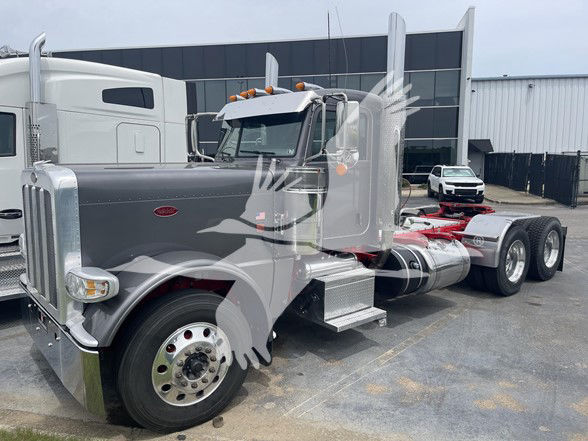
Have used peterbilt conventional daycab truck to sell? List it here to reach thousands of buyers.
About Used Peterbilt Conventional Daycab Trucks in Alabama
A used Peterbilt daycab can be spec'd for anything from general freight to severe-duty applications. Common configurations include 6x4 tandem drive setups, though some trucks are built for heavier vocational service with double frames, higher front axle ratings, wet kits, locking differentials, and heavy-duty suspensions. Engines vary by model year, with many buyers looking closely at PACCAR MX power ratings or legacy Cummins options, along with horsepower and torque matched to the rear axle ratio. Transmission choices often include manual 10, 13, or 18-speed gearboxes as well as automated manuals. On a truck like a 389 daycab, it is also worth checking bridge law spacing, fifth wheel position, kingpin setting compatibility, and fuel capacity if the truck will handle regional or specialized trailer work.
Condition matters more than badge alone on a used conventional daycab. Service history, engine hours, idle time, DPF and aftertreatment maintenance, clutch life, suspension wear, and frame condition should all be reviewed before purchase. Alabama buyers should also pay attention to rust and corrosion patterns from prior operating regions, even on trucks now located in the Southeast. Inside the cab, look for seat wear, switch function, HVAC performance, and signs of hard vocational use. Outside, steer tire wear, drive tread condition, alignment issues, and evidence of prior frame modifications can tell you a lot about how the truck was maintained.
Peterbilt conventional daycab trucks appeal to buyers who want a truck that presents well, holds value, and can be spec'd for both highway and vocational roles. A lighter regional freight truck may prioritize fuel economy, shorter wheelbase, and aerodynamic accessories, while a heavy-spec daycab may need higher horsepower, stronger drivetrain components, and PTO or hydraulic capability. The best used Peterbilt daycab is the one with a proven maintenance record and a spec that matches the trailer, payload, and route demands you actually run.
Frequently Asked Questions
What is a Peterbilt conventional daycab truck best suited for?
A Peterbilt conventional daycab is best suited for regional hauling, local delivery, drayage, dedicated freight, and vocational applications where the driver returns daily and does not need a sleeper. These trucks are also used in heavy haul, dump, and equipment moving operations when spec'd with the right wheelbase, axle ratings, and drivetrain. The daycab layout reduces weight and can improve maneuverability compared with a sleeper tractor.
What should I check on a used Peterbilt 389 daycab before buying?
Start with the powertrain spec and maintenance history. Confirm engine model, horsepower, torque, transmission type, rear axle ratio, and suspension rating, then review service records for oil changes, overhead work, clutch replacement, and aftertreatment repairs. Inspect the frame rails, crossmembers, fifth wheel, driveline, steer axle components, and tires for wear or modification. On emissions-era trucks, verify DPF, DEF, and EGR service history because those systems can affect long-term operating cost.
Are Peterbilt daycabs good for heavy haul or vocational work?
They can be, if the truck was built for that purpose. A heavy-haul or vocational Peterbilt daycab may have an 18-speed transmission, high-horsepower engine, double frame, heavy front axle, full locking differentials, and a suspension designed for higher loads. Some also include PTO provision or a wet kit for hydraulic trailers. A lighter fleet daycab built for van or reefer work may not have the frame strength or gearing needed for severe-duty service.
Why do buyers in Alabama shop for used Peterbilt daycab trucks?
Alabama has steady demand for regional freight, construction support, forestry-related hauling, and port-connected truck work, all of which can fit a conventional daycab. Buyers often want a truck that can handle interstate runs and jobsite duty while still offering strong resale value. Peterbilt is a popular choice because the brand is widely recognized, parts and service support are familiar to many operators, and conventional models remain desirable in both fleet and owner-operator markets.
Which specs matter most when comparing used Peterbilt conventional daycabs?
The most important specs are wheelbase, axle configuration, engine rating, transmission, suspension, and rear axle ratio. Those determine turning radius, legal bridge spacing, startability under load, cruise rpm, and trailer compatibility. Fuel tank size, fifth wheel placement, front axle capacity, and PTO or hydraulic setup also matter depending on the application. A truck with the right spec for the job will usually perform better and cost less to operate than a more attractive truck with the wrong configuration.