
Used Mack Conventional Daycab Trucks For Sale in Kansas
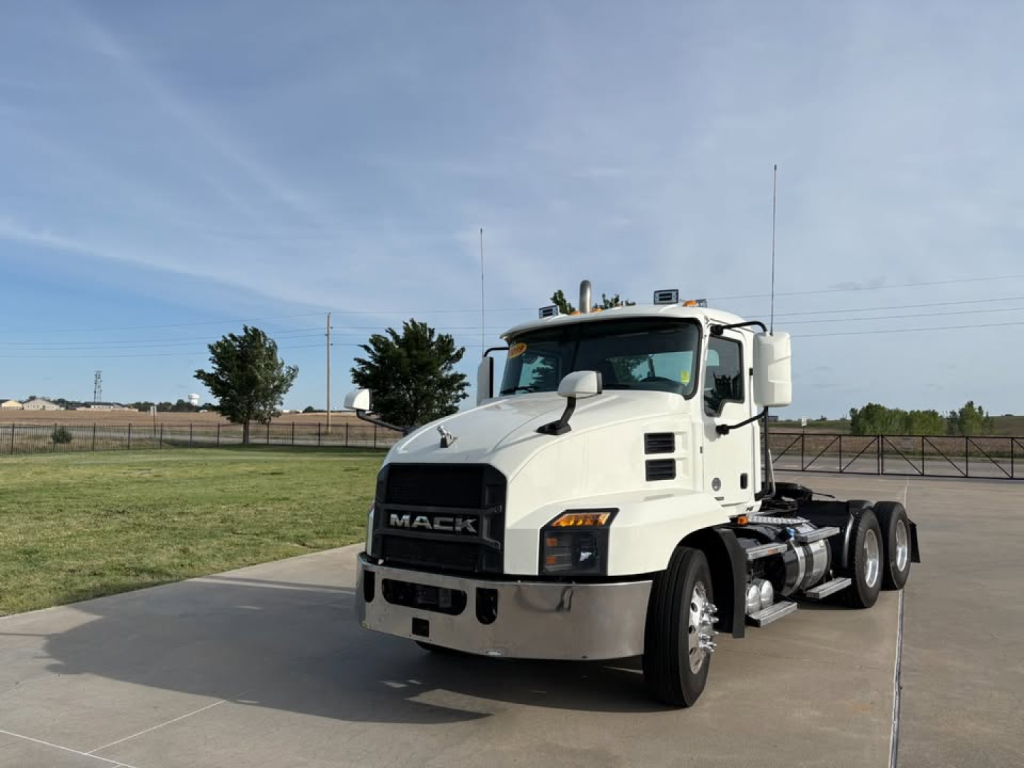
Shop used Mack conventional daycab trucks for regional haul, local delivery, and vocational work with durable specs and strong driver appeal.
Learn more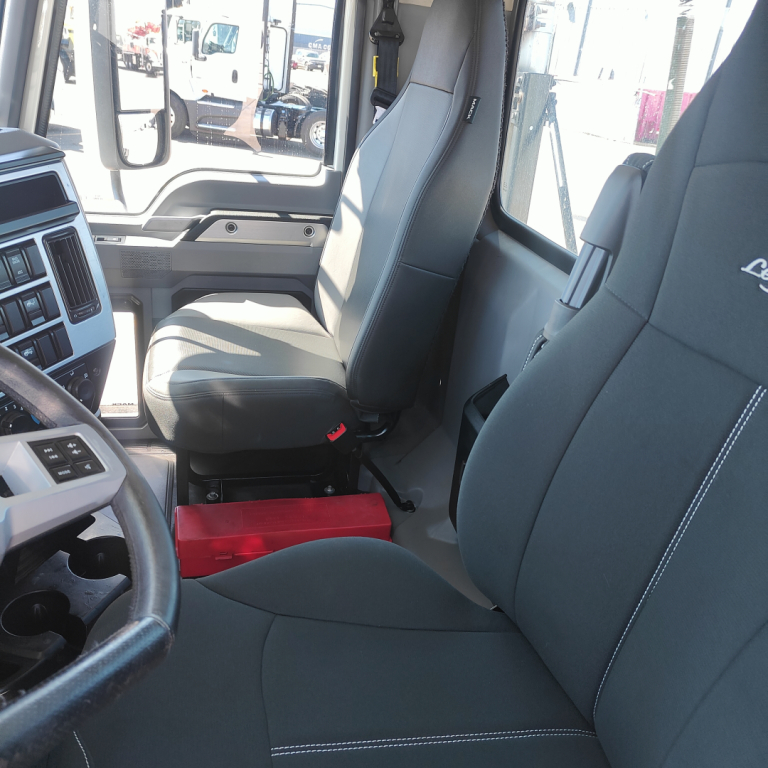
Have used mack conventional daycab truck to sell? List it here to reach thousands of buyers.
About Used Mack Conventional Daycab Trucks in Kansas
The first decision is usually drivetrain. Many used Mack conventional daycab trucks are spec'd with Mack MP-series diesel engines paired with Mack mDRIVE automated manual transmissions, though some buyers still prefer manual gearboxes for certain vocational or mixed-route applications. Pay attention to horsepower and torque ratings, rear axle ratio, wheelbase, and suspension spec because those details determine how the truck will perform with hopper bottoms, dry vans, flatbeds, tankers, or end dumps. A lighter regional spec may prioritize fuel economy and payload, while a heavier spec may include higher GVWR and GCWR ratings, locking differentials, and more robust suspension components.
Cab layout and chassis details matter more on a daycab than many buyers expect. Look closely at interior condition, seat wear, dash electronics, and driver-assist systems, especially on newer Mack Anthem daycabs. Outside, check frame condition, fifth wheel type and travel, fuel tank capacity, fairings, and tire size. For buyers running in Kansas and across the Plains, cooling system condition, crosswind stability, and gearing for sustained highway speeds are all worth evaluating. Maintenance history is a major value driver on used Mack trucks, particularly for emissions system service, transmission calibration, and axle or suspension work.
Mack has a strong reputation for building trucks that hold up in demanding commercial use, and a used conventional daycab can be a practical choice when uptime and parts support matter. The best fit comes down to matching the truck's original vocation to your current work. A highway-spec daycab used for regional van or reefer service will differ substantially from one set up for grain, feed, aggregate, or heavy local hauling. Comparing engine ratings, axle specs, and chassis layout across listings will tell you far more than model year alone.
Frequently Asked Questions
What is a Mack conventional daycab truck best suited for?
A Mack conventional daycab truck is best suited for regional hauling, local delivery, dedicated routes, drayage, and vocational work that does not require overnight stays. The conventional hood layout provides easier engine access than a cabover, and the daycab configuration reduces weight compared with a sleeper tractor. That makes it a common choice for operations focused on driver turnover, fuel economy, and frequent stops or daily terminal returns.
What engine and transmission setups are common in used Mack daycab trucks?
Many used Mack daycab trucks are equipped with Mack MP-series diesel engines and Mack mDRIVE automated manual transmissions. Depending on age and original application, some trucks may have manual transmissions or different horsepower and torque ratings tailored to regional or vocational work. Buyers should compare engine rating, transmission type, axle ratio, and suspension package together because those specs determine launch performance, cruise RPM, gradeability, and fuel consumption.
How do I choose the right used Mack daycab for Kansas hauling?
For Kansas hauling, focus on your trailer type, typical gross combination weight, and the mix of highway versus local miles. Regional dry van and reefer work often benefits from aerodynamic spec, moderate wheelbase, and fuel-efficient axle ratios. Grain, construction, and heavier local work may require higher horsepower, stronger suspensions, locking differentials, and chassis components built for rougher surfaces and repeated loading cycles. Wind exposure, long interstate runs, and seasonal temperature swings also make cooling system condition and tire spec important.
What should I inspect on a used Mack Anthem daycab?
Inspect the emissions system, service records, transmission operation, and any fault history first. Then look at tire wear, alignment, suspension components, frame condition, fifth wheel wear, brakes, and signs of corrosion or poor repairs. Inside the cab, check seat condition, HVAC performance, dash warning lights, and the function of any safety or telematics systems. A clean maintenance history with documented preventive service often matters more than appearance alone.