
New Mack Conventional Daycab Trucks For Sale
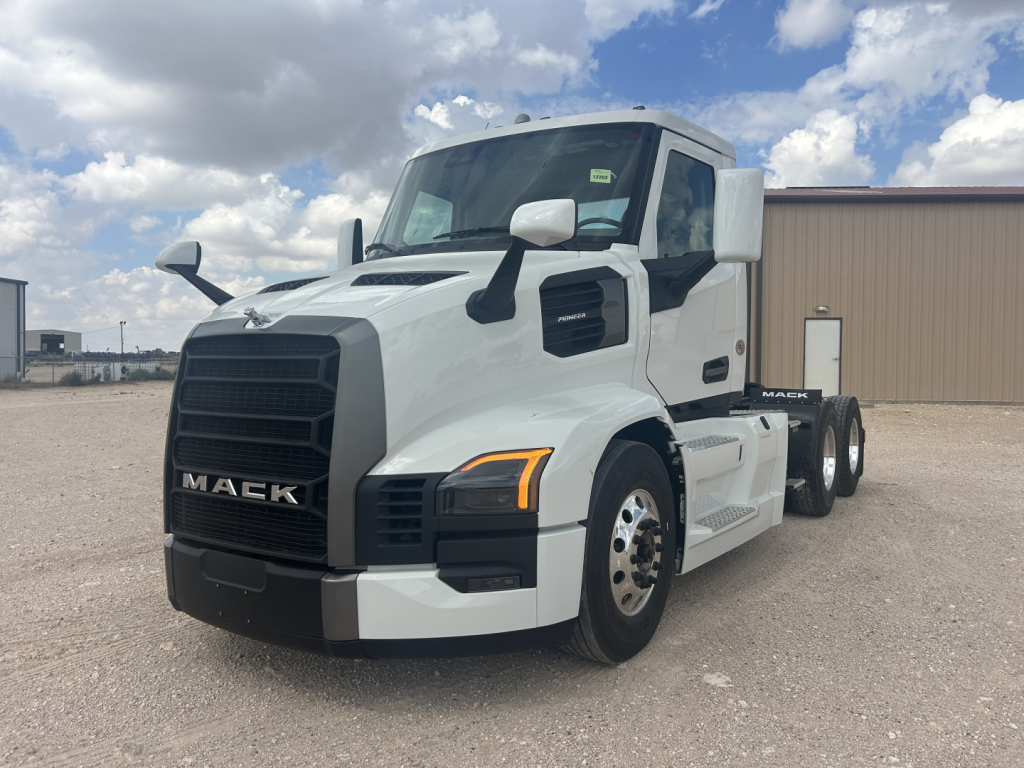
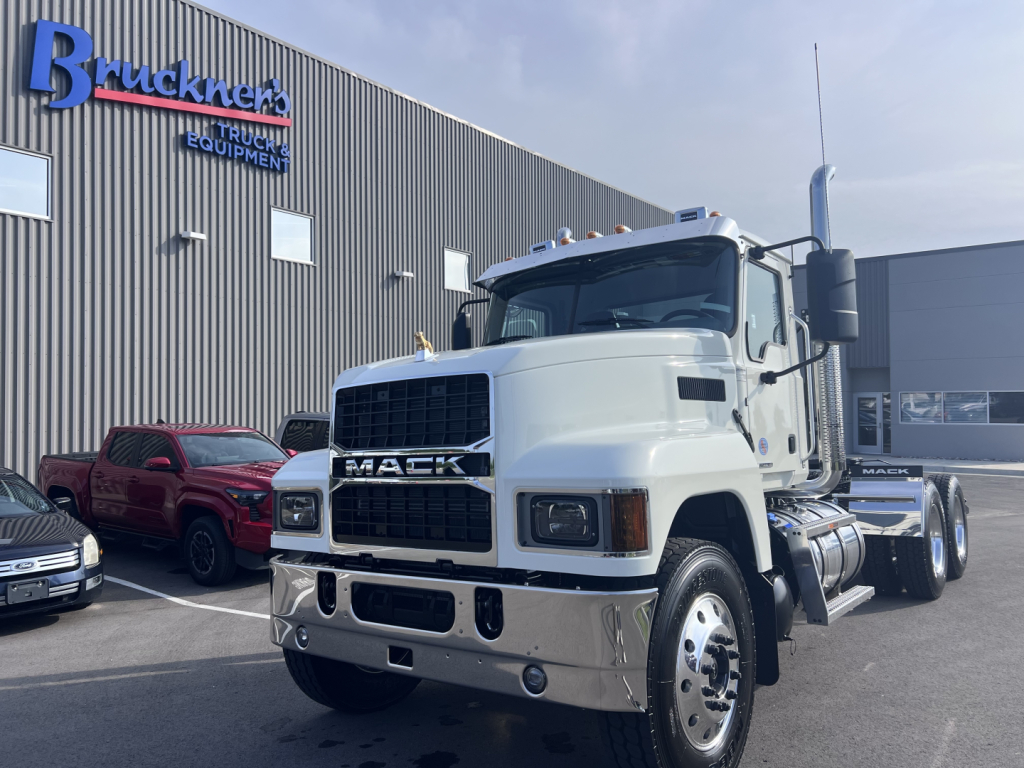
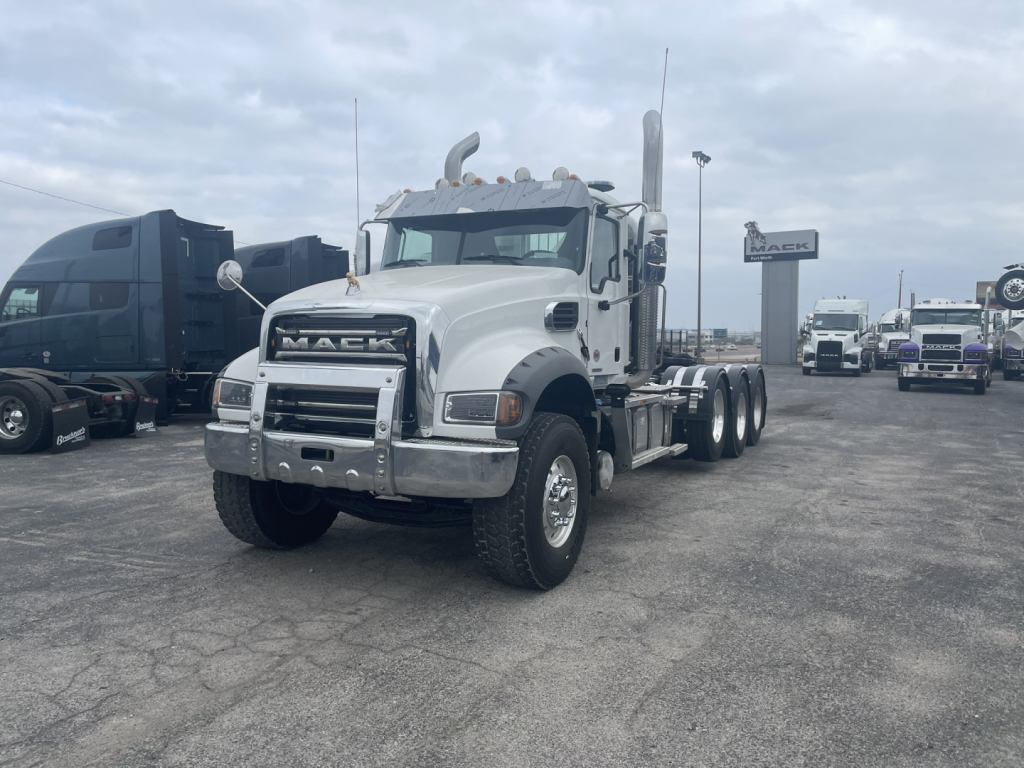
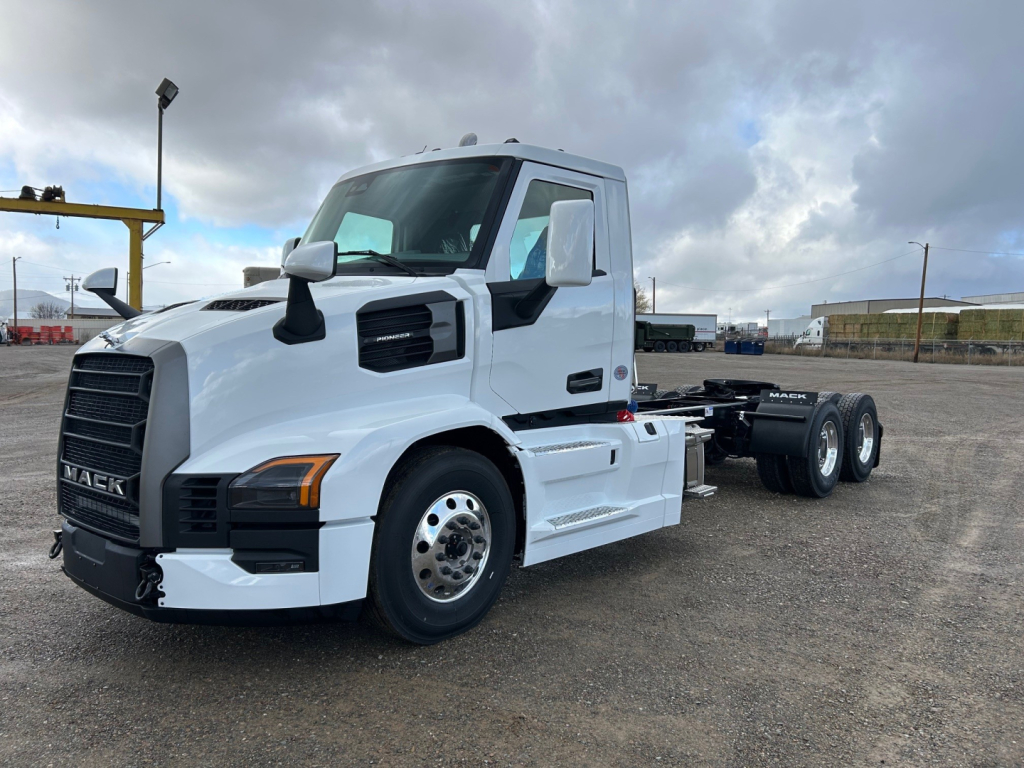
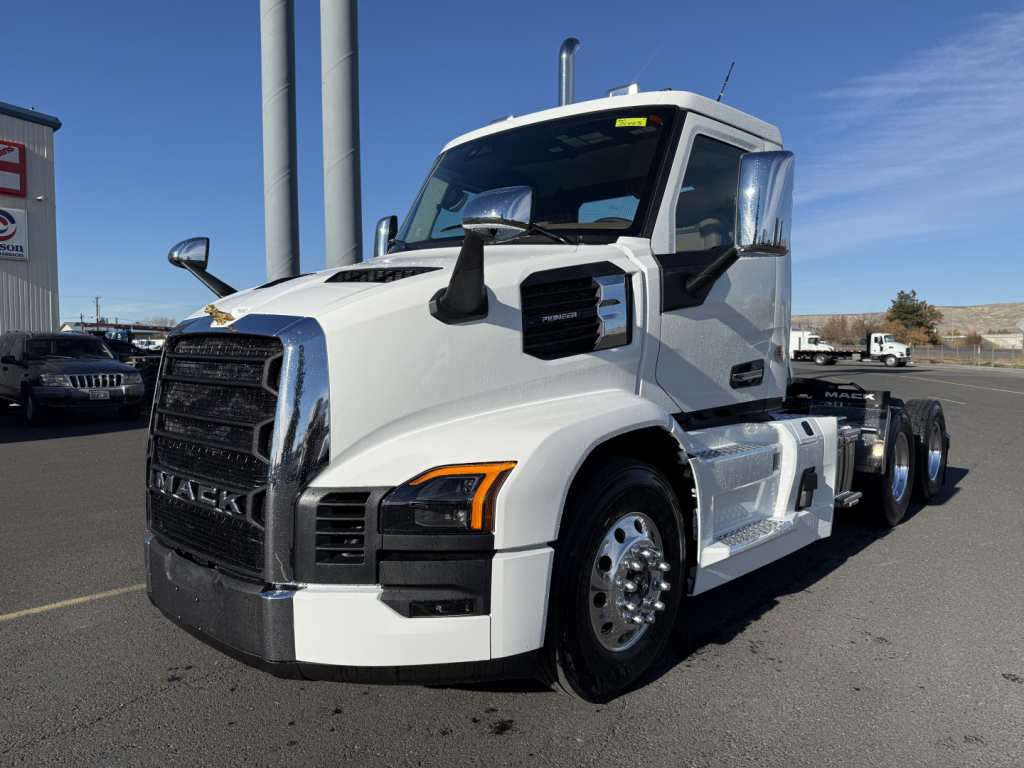
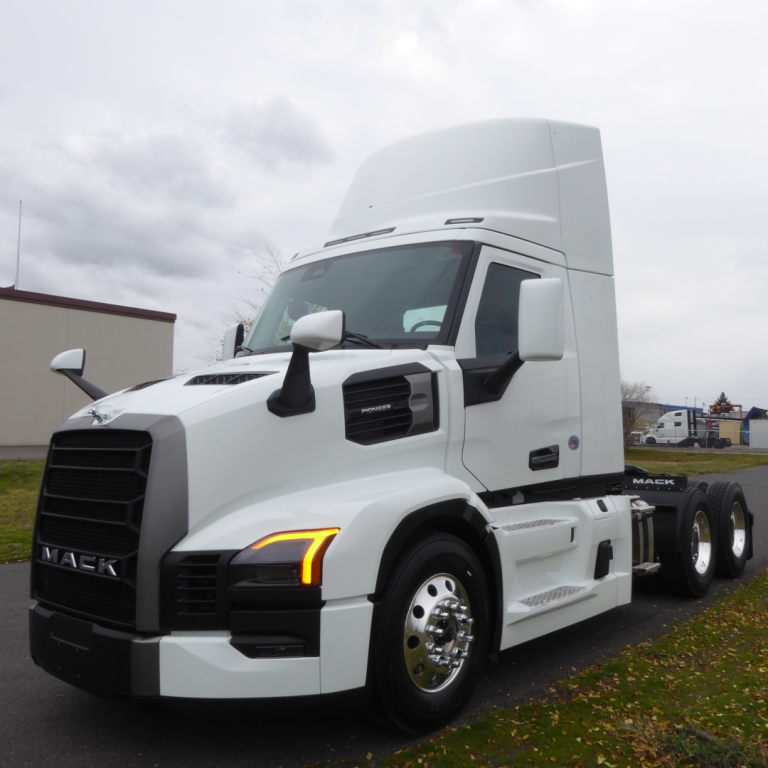
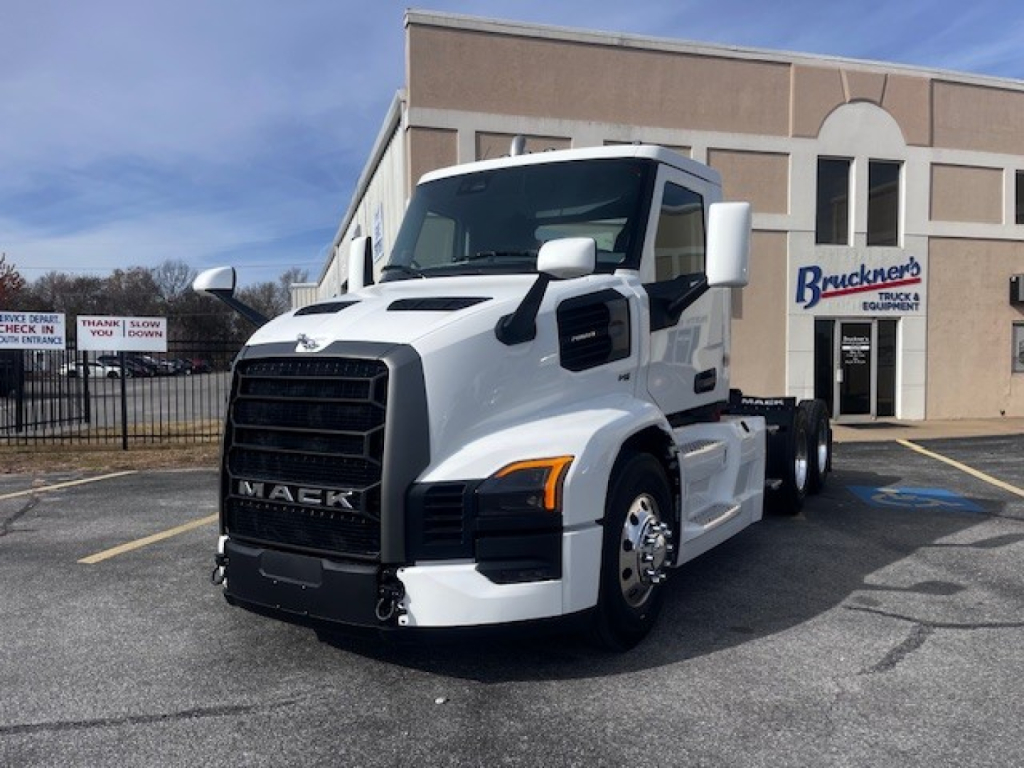
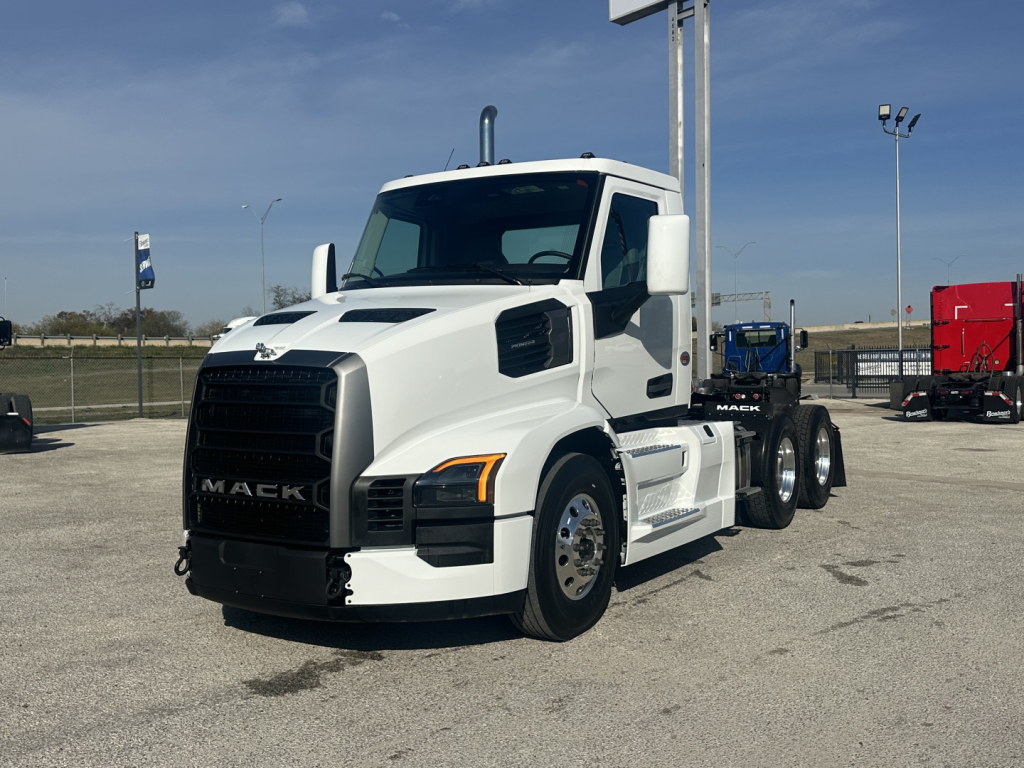
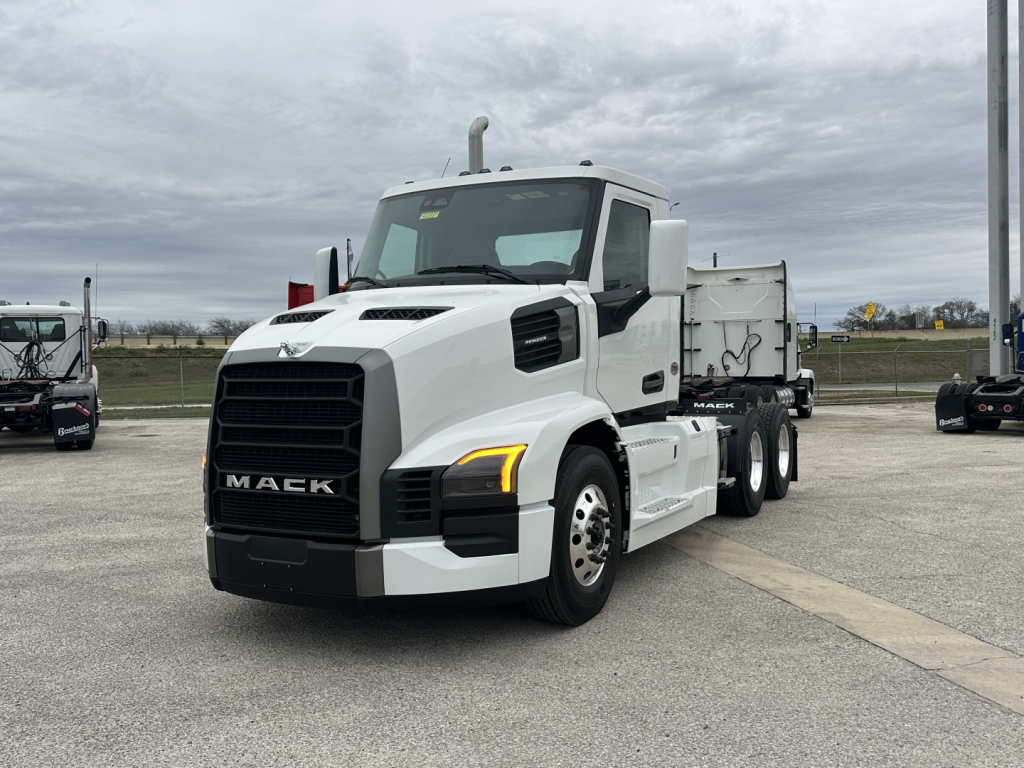
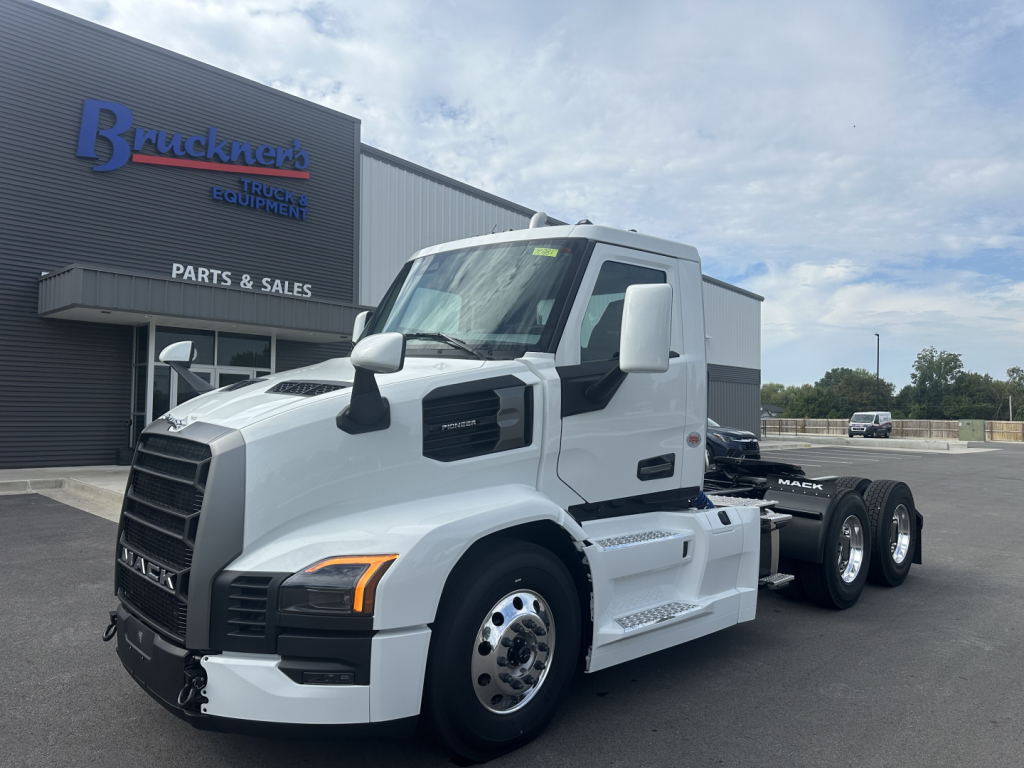
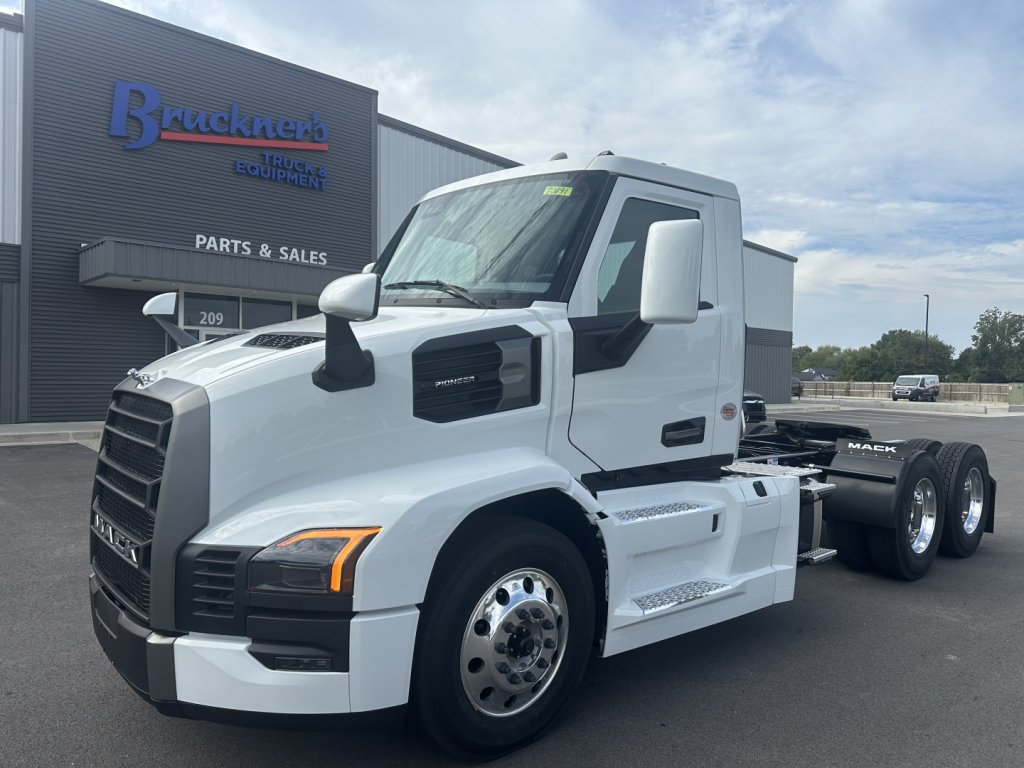
New Mack daycab tractors with MP engines, mDRIVE AMT, strong frames, low tare weight, solid thermal integrity and robust corrosion protection.
Learn more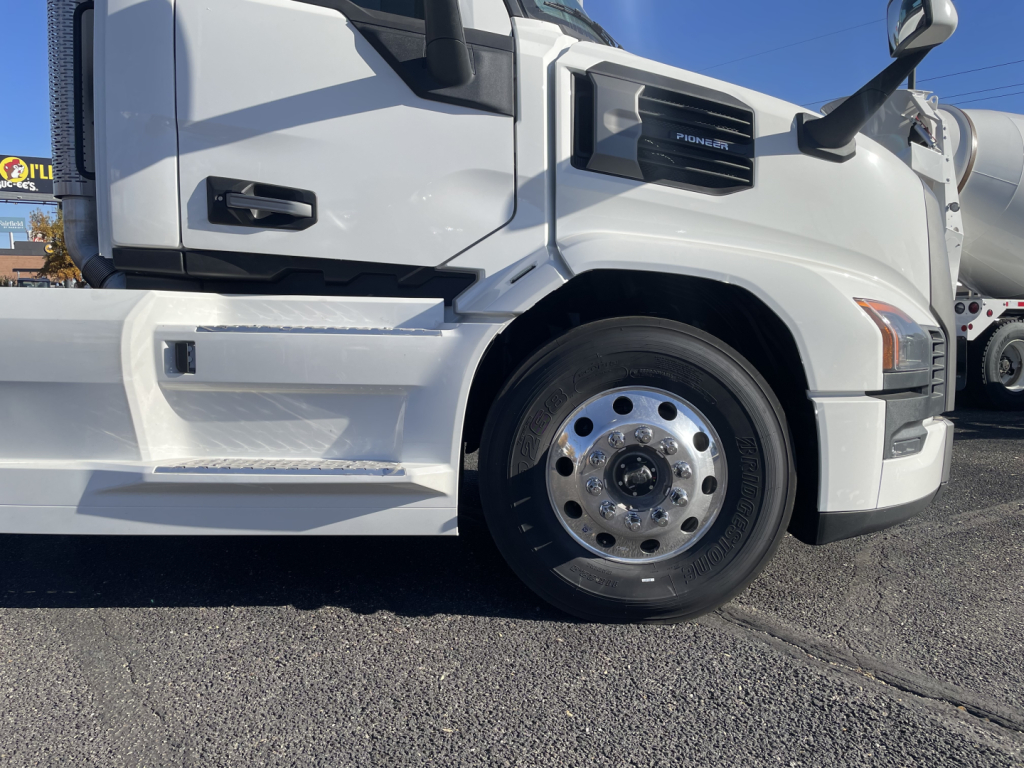
Showing 229 to 240 of 240 results
Have new mack conventional daycab truck to sell? List it here to reach thousands of buyers.
About New Mack Conventional Daycab Trucks
Tare weight has a direct impact on payload and fuel burn, so every component choice matters. The mDRIVE AMT saves weight compared to many torque-converter automatics, aluminum wheels and hubs trim rotating mass, and right-sizing fuel and DEF tanks avoids carrying unnecessary liquid weight. A 6x2 with a liftable pusher can reduce unladen weight and rolling resistance in certain applications, while a 6x4 with driver-controlled differential locks offers better traction on unimproved surfaces. Aerodynamic bumper and hood packages on Anthem daycabs reduce drag at highway speed, while vocational packages on Granite daycabs trade some aero for protection and approach angle.
Floor strength in a daycab is about the integrity of the cab structure and the chassis under it. Look for high RBM frame rails with closely spaced crossmembers, double frame liners when GCW and tongue load demand it, heavy fifth wheel pedestals with adequate vertical and drawbar ratings, and reinforced cab floor mounting points that resist flex and seat-track fatigue on rough routes. Deck plates and catwalks should be rigid and properly braced to handle frequent hookups, and spec scuff-resistant cab flooring for easy cleanout in vocational service.
Thermal integrity and corrosion resistance drive long-term uptime. Effective cab insulation, tight door seals, and correctly sized HVAC keep cab temperatures stable in extreme seasons, while larger cooling modules, high-capacity charge air coolers, and well-routed airflow protect powertrain temperatures under grade and heat load. Mack aftertreatment packaging maintains proper exhaust temperatures and uses heat shielding to protect wiring and air lines. Corrosion protection includes e-coated and galvanized cab structures, powder-coated or painted frames with optional inner-rail coatings, stainless or composite battery boxes and steps, non-metallic air lines and sealed electrical connectors, plus underbody protection for salt-belt work. These measures preserve fasteners, brake components, and harnesses, reduce downtime, and maintain resale value over the truck’s service life.
Frequently Asked Questions
What engines and transmissions are common on new Mack conventional daycab trucks?
Most new Mack daycabs use the MP7 or MP8 diesel paired with the mDRIVE automated manual transmission for smooth shifts and low-RPM cruising. The MP7 suits weight-sensitive regional fleets, the MP8 offers higher torque for heavier GCWs. Vocational or heavy-haul specs may add deep rear axle ratios, PTO provisions, and cooling upgrades to manage heat on grades and during stationary PTO work.
How can I reduce tare weight on a Mack daycab without sacrificing durability?
Choose the mDRIVE AMT, aluminum wheels and hubs, single fuel tank sized to your route, and a 6x2 configuration when traction demands allow. Keep frame length only as long as needed for bridge and equipment, and avoid overspec’d suspension capacities that add weight you do not use. Retain durability where it counts, specify adequate RBM frame rails, crossmember spacing, and a fifth wheel with the correct vertical and drawbar ratings for your trailers.
What determines floor and frame strength for heavy or mixed-service daycab work?
Structural integrity comes from rail section modulus and RBM, crossmember design, and reinforcements where loads concentrate such as the fifth wheel pedestal and suspension hangers. For severe service or heavy-haul, a double frame liner, heavy-duty crossmembers, and reinforced cab mounts help resist twist and impact. Inside the cab, reinforced seat mounts and durable flooring prevent fatigue cracking and wear from frequent ingress and egress.
How does Mack address thermal integrity in daycabs for driver comfort and emissions reliability?
Cab insulation, quality door seals, and calibrated HVAC keep interior temperatures steady while reducing blower workload. Powertrain cooling modules are sized for expected GCW and duty cycle, and aftertreatment components are packaged to maintain proper exhaust temperatures for consistent regeneration. Heat shielding and smart routing protect wiring, airlines, and DEF components, which reduces fault codes and extends component life.
What corrosion protection features should I look for if I run in the salt belt or coastal regions?
Seek an e-coated and galvanized cab, powder-coated or painted frames with optional inner-rail or cavity coatings, stainless or composite battery boxes and steps, non-metallic air lines, sealed electrical connectors, and treated fasteners. Add splash shields and underbody protection where practical. Spec aluminum tanks and wheels for weight and corrosion advantages, and consider factory anti-corrosion packages to maintain appearance and resale value over time.