
New Mack Conventional Daycab Trucks For Sale in Louisiana
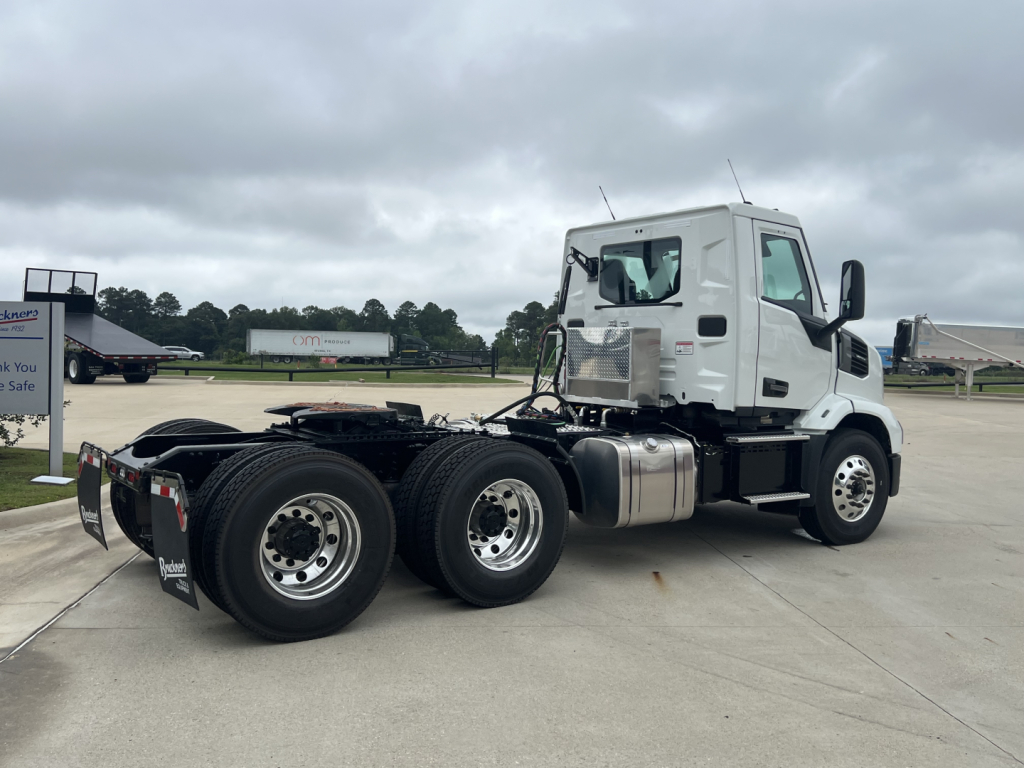
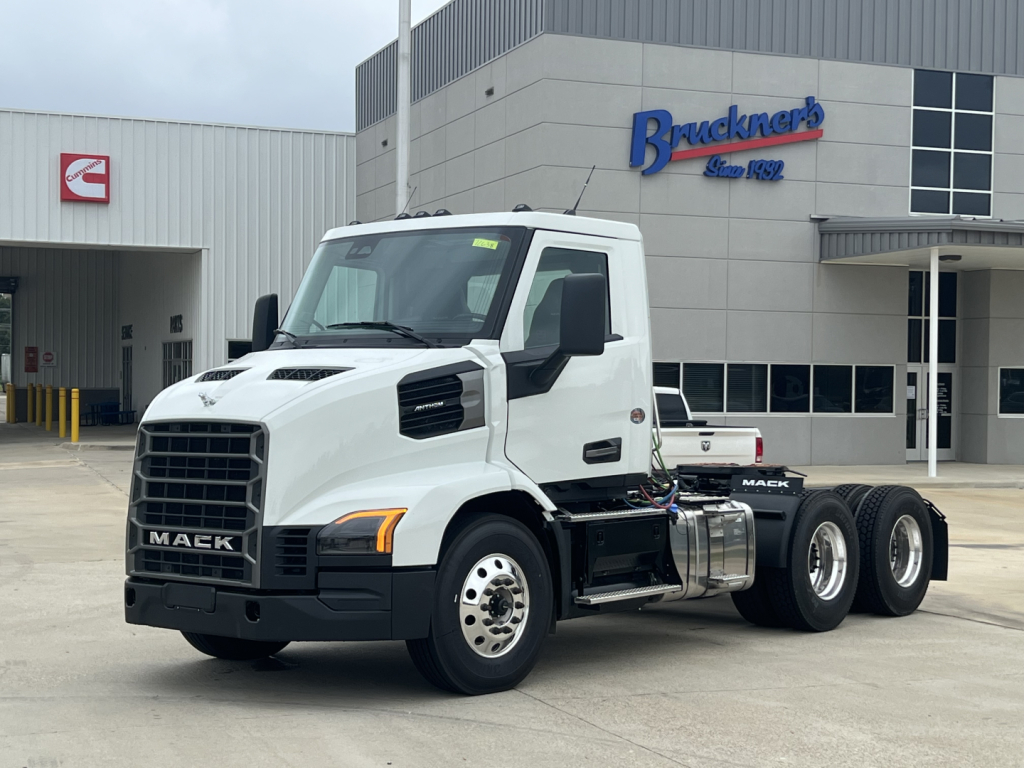
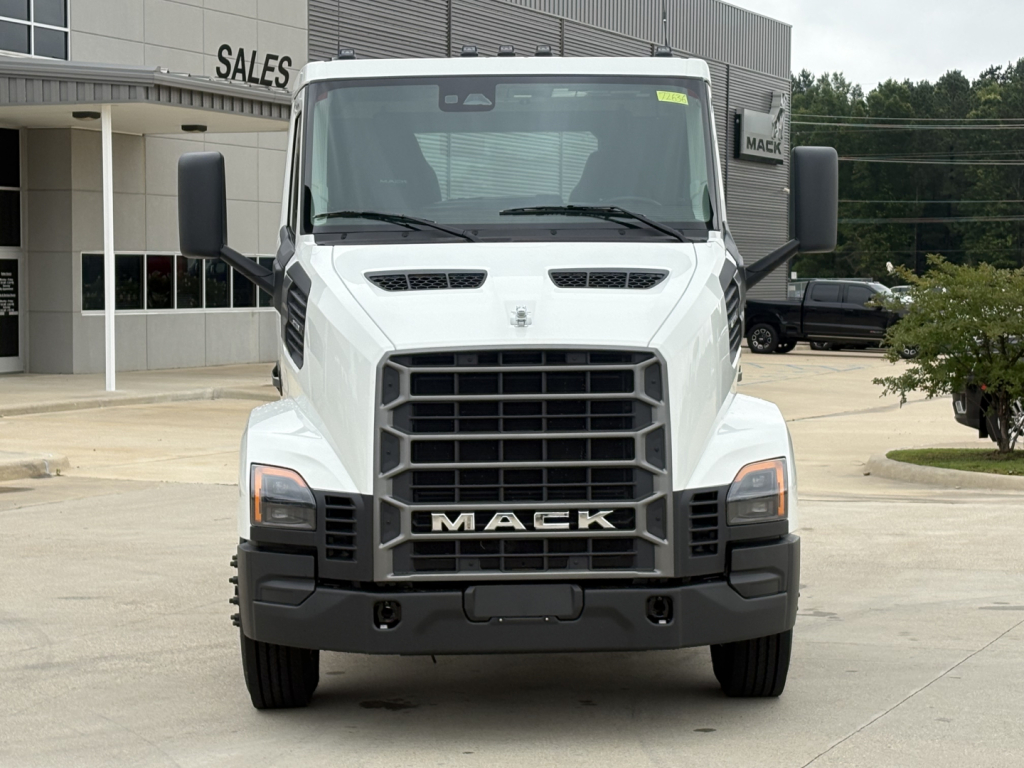
New Mack conventional daycab trucks for sale in Louisiana. Built for regional haul, vocational work, port service, and short-run freight.
Learn more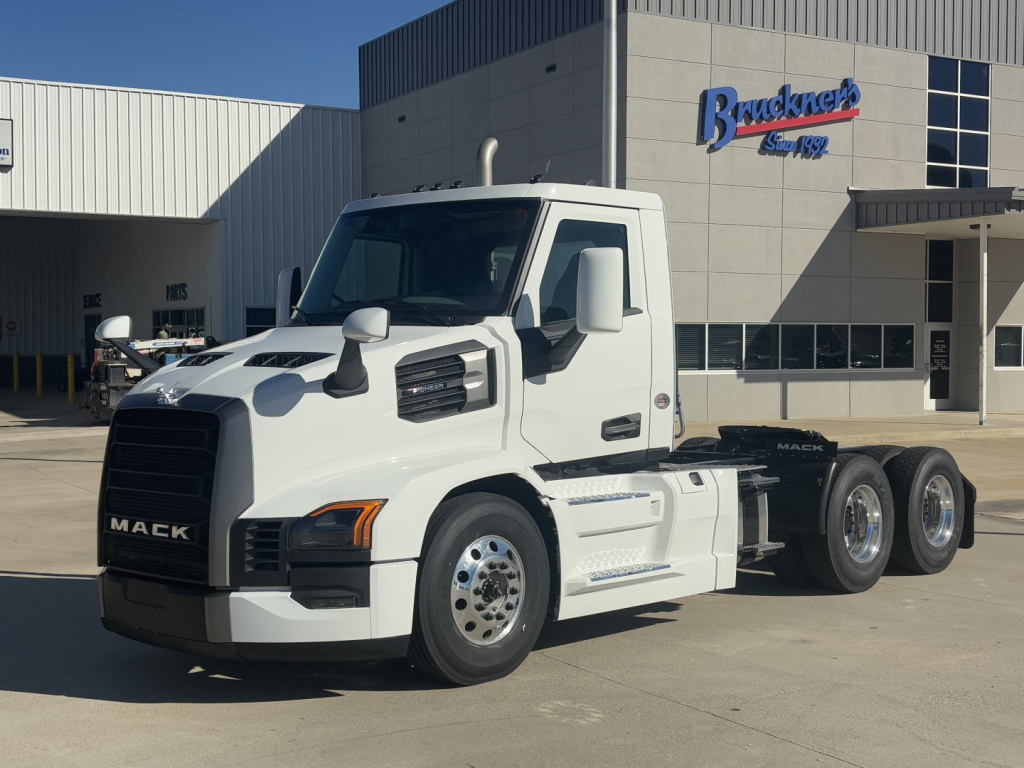
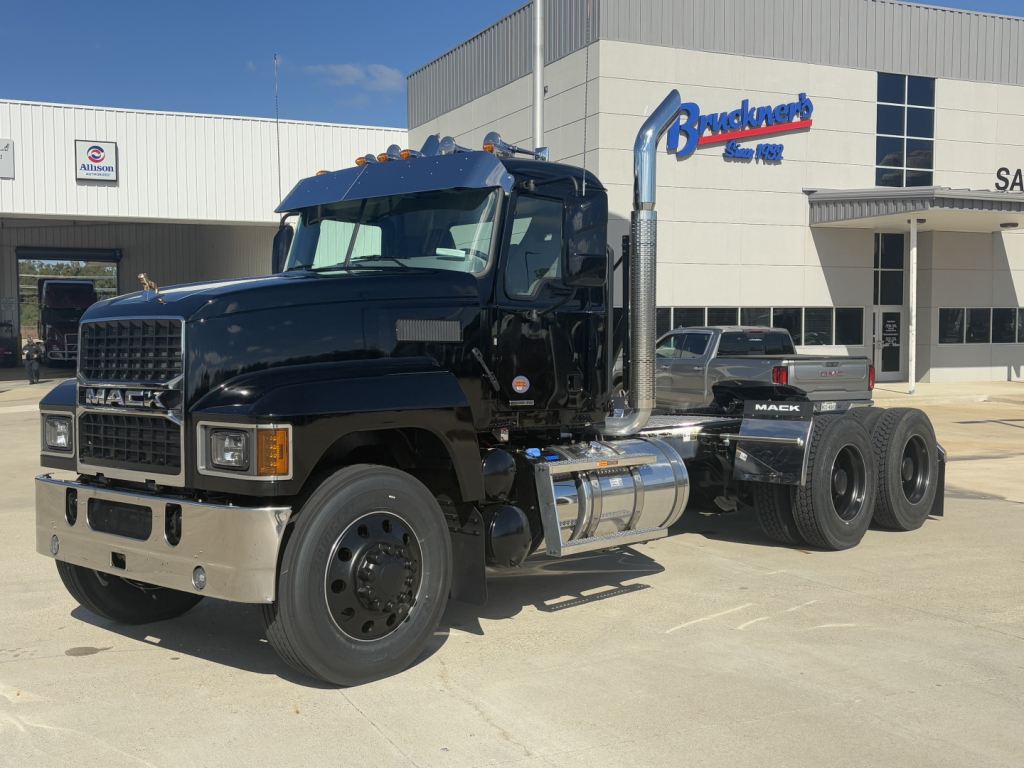
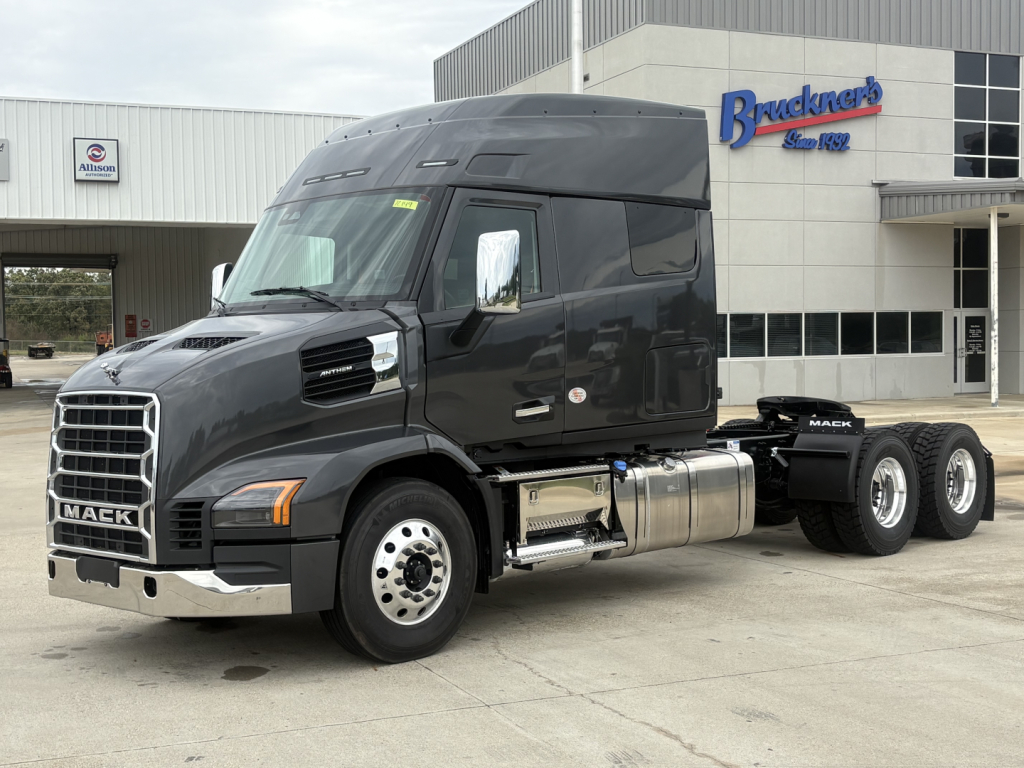
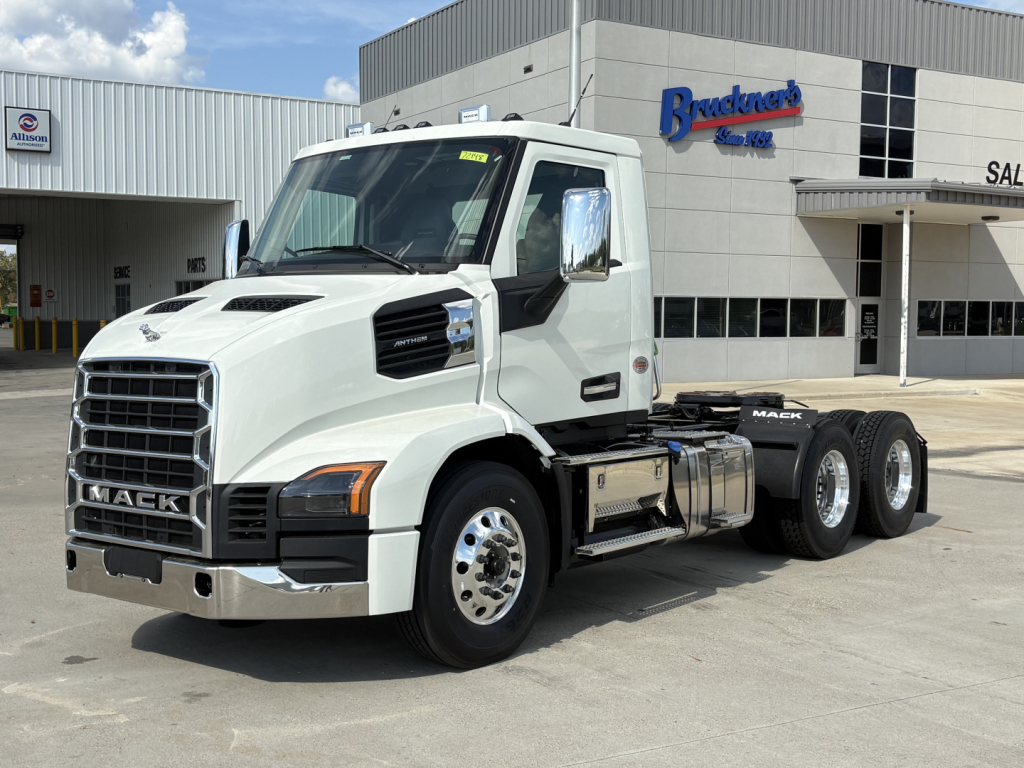

Showing 37 to 44 of 44 results
Have new mack conventional daycab truck to sell? List it here to reach thousands of buyers.
About New Mack Conventional Daycab Trucks in Louisiana
For buyers comparing new Mack daycabs, the key decisions usually start with axle configuration, horsepower, transmission, and suspension. A tandem axle setup is common for higher GCW and trailer versatility, while the right rear ratio depends on whether the truck will spend more time in city traffic, on state highways, or pulling at higher gross weights. Mack powertrain specs often appeal to fleets that want integrated engine and transmission calibration, especially for fuel economy, gradeability, and driver consistency. Look closely at wheelbase, fifth wheel placement, fuel capacity, frame rating, and PTO provisions if the truck may be used for a wet kit, dump transfer, pneumatic work, or other vocational crossover duty.
Louisiana buyers should also pay attention to corrosion exposure, cooling performance, and serviceability. Gulf Coast humidity, port environments, and stop-and-idle operation can be tough on trucks, so it pays to evaluate radiator protection, battery box location, air dryer setup, and undercarriage finishes. A daycab working around Baton Rouge, New Orleans, Lake Charles, or along I-10 may need a spec that balances maneuverability with stability under load. Interior layout matters too. Air-ride seats, driver-assist systems, visibility, and switch placement all affect productivity when a truck sees multiple drops, frequent backing, and long hours in traffic.
New Mack conventional daycab trucks are typically chosen for buyers who want a modern emissions package, current safety technology, and a chassis that can be tailored to a specific route profile. The strongest value usually comes from matching the truck to the job instead of buying on horsepower alone. A properly spec'd Mack daycab can handle regional van and flatbed freight, bulk commodities, container work, and vocational trailer service while keeping maintenance planning straightforward and uptime high.
Frequently Asked Questions
What is a conventional daycab truck used for?
A conventional daycab truck is used for local and regional hauling where the driver does not need a sleeper berth. Common applications include port drayage, fuel and tank work, dump and construction support, flatbed deliveries, refuse, and short-run highway freight. The conventional hood design allows easier engine access than cabover layouts, and the daycab configuration usually saves weight and shortens overall length for better maneuverability.
Why choose a Mack daycab instead of a sleeper tractor?
A Mack daycab makes sense when the truck returns to base daily or operates on routes that do not require overnight rest in the vehicle. Compared with a sleeper, a daycab usually has a shorter wheelbase, lower tare weight, and tighter turning capability. That can improve yard access, bridge more easily between highway and vocational work, and leave more payload or application flexibility depending on the spec.
What specs matter most on a new Mack conventional daycab?
The most important specs are the engine rating, transmission type, axle configuration, rear axle ratio, wheelbase, suspension, and frame capacity. Buyers should also review fifth wheel setup, fuel tank size, PTO readiness, brake package, and tire spec. Those choices determine how the truck launches under load, cruises at highway speed, handles stop-and-go duty, and supports any vocational equipment or trailer combination the operation requires.
Are Mack daycab trucks a good fit for Louisiana operations?
Yes, Mack daycab trucks are commonly well suited for Louisiana operations because many routes involve regional freight, port traffic, industrial sites, and vocational work with frequent stops and short turnaround times. A good Louisiana spec should consider humidity, corrosion exposure, cooling demands, and maneuverability in urban and plant environments. Trucks working near ports or coastal areas may especially benefit from attention to protective finishes, electrical routing, and easy-to-service chassis components.
How do I choose between a highway spec and a vocational spec daycab?
The choice depends on trailer type, average gross weight, route speed, and how often the truck leaves paved roads or enters jobsite conditions. A highway spec usually prioritizes fuel economy, ride quality, and long stretches of pavement use. A vocational spec may add heavier frame sections, different suspension tuning, PTO capability, higher ground clearance, and components better suited for severe duty. Many Mack daycabs are ordered as crossover specs to handle both regional highway work and demanding local applications.