
Mack Conventional Daycab Trucks For Sale in New Mexico
Shop Mack conventional daycab trucks in New Mexico. Compare Anthem, Pinnacle, and Granite specs for regional, vocational, and heavy-haul work.
Learn more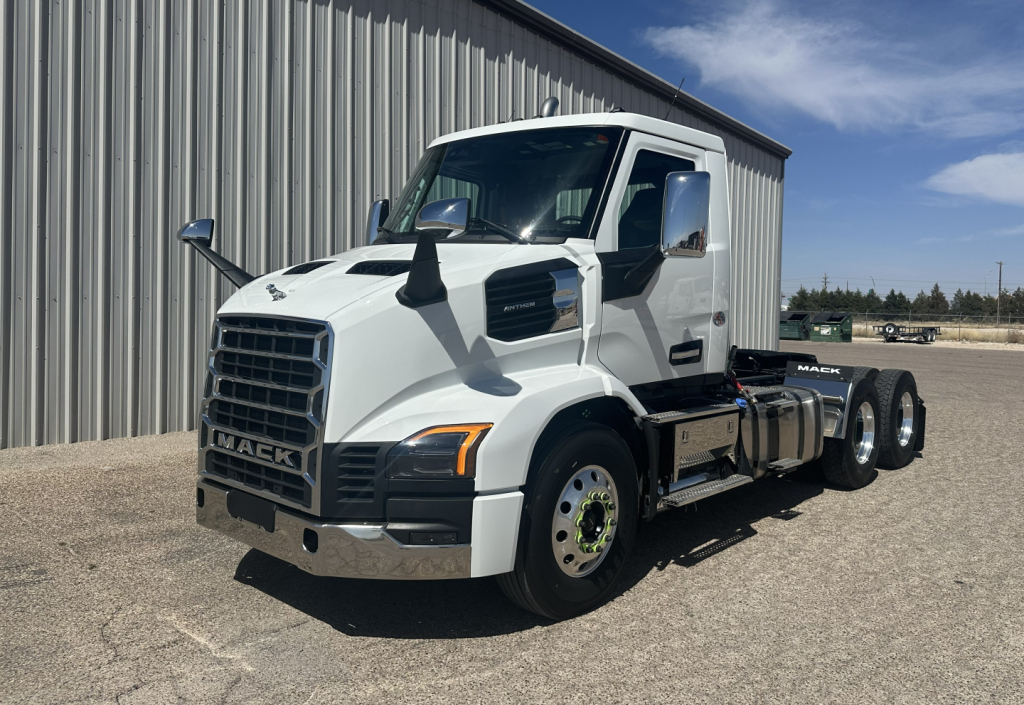
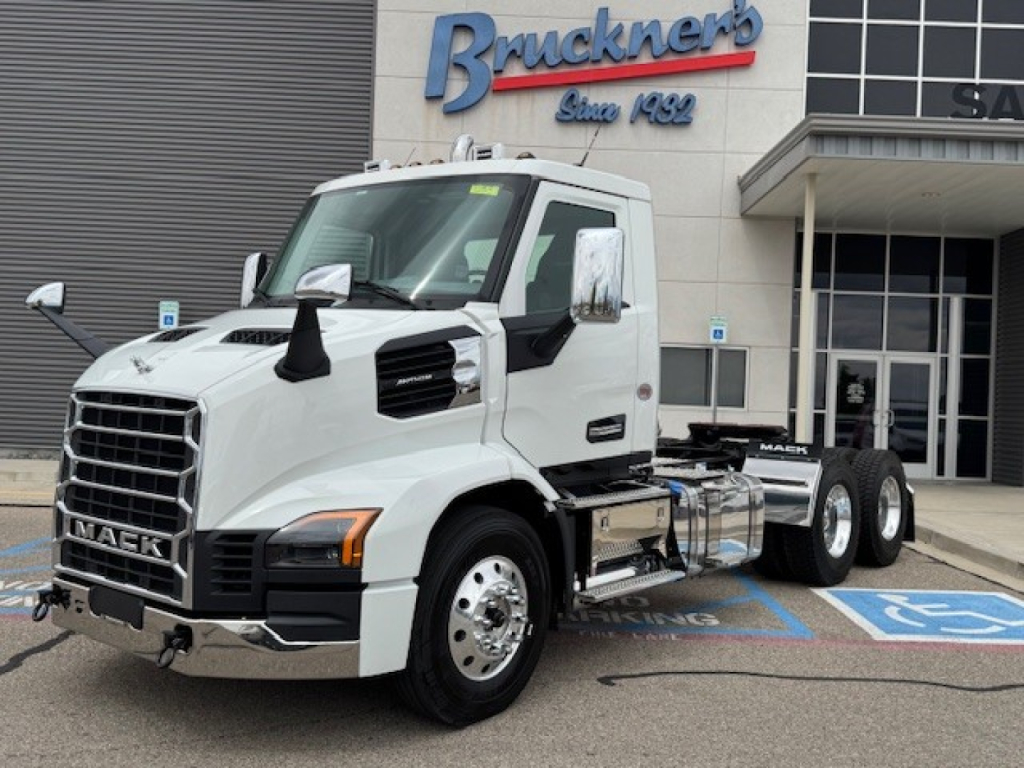
Have mack conventional daycab truck to sell? List it here to reach thousands of buyers.
About Mack Conventional Daycab Trucks in New Mexico
The biggest buying decision is usually application. For linehaul and regional freight, many Mack daycabs are spec’d with MP13 power, overdrive mDRIVE automated transmissions, tandem 40,000 lb rears, and axle ratios around 3.08 to 3.11 for fuel-conscious cruising. For heavier vocational or severe-service work, buyers often step up to MP8 or higher-horsepower MP13 engines, heavier front axles in the 14,600 lb range, 46,000 lb rear axles, more aggressive rear ratios such as 3.73, and HD versions of the mDRIVE. Wheelbase matters too. A shorter wheelbase can help in tight yards and urban delivery points, while a longer wheelbase may better support bridge compliance, frame-mounted equipment, or heavier fifth wheel placement.
Mack daycabs are also known for integrated powertrain control, which is a real advantage when the truck sees changing terrain and variable payloads. The Mack engine, transmission, and axles are designed to work together, and that can improve shift logic, launch performance, drivability, and service consistency. Buyers comparing listings should look closely at suspension type, rear axle capacity, transmission model, and intended road speed. Air ride suspensions such as MaxLite or Hendrickson are common on tandem tractors and can make a meaningful difference in ride quality and trailer handling. It also pays to verify brake spec, fuel capacity, tire size, and whether the truck is set up for a sliding or fixed fifth wheel depending on trailer mix and kingpin settings.
For New Mexico operations, cooling capacity, gearing, and fuel range deserve extra attention. Long stretches between stops, sustained interstate speeds, and elevation changes can make a light highway spec feel very different from a heavy vocational spec on paper. A Mack conventional daycab with the right engine rating, rear ratio, axle package, and suspension can be a strong fit for regional van, hopper, tank, flatbed, lowboy, and local industrial service. The best listing is rarely the one with the highest horsepower alone. It is the one with the driveline, axle ratings, and wheelbase that match your payload, terrain, trailer type, and daily duty cycle.
Frequently Asked Questions
What is the difference between a Mack daycab set up for highway use and one built for vocational or heavy-haul work?
A highway-oriented Mack daycab typically uses an aerodynamic chassis, a fuel-economy rear ratio, 40,000 lb tandem rears, and an overdrive automated transmission tuned for cruising speed and lower engine rpm. A vocational or heavy-haul spec usually adds heavier front and rear axles, a lower rear ratio such as 3.73, stronger suspension components, and an HD transmission configuration for tougher starts and higher gross loads. The right choice depends on trailer weight, terrain, off-road exposure, and how often the truck must start heavy on grades or soft surfaces.
Which Mack engine is common in conventional daycab trucks?
Mack conventional daycab trucks are commonly powered by the MP8 or MP13, depending on the intended job. The MP13 is often selected for regional and highway applications where strong torque and efficient cruise performance matter, while the MP8 is also seen in heavier vocational setups that need durable pulling power. Buyers should compare horsepower and torque along with axle ratio and transmission model, because the full driveline determines how the truck performs under load.
What rear axle ratio should I look for in a Mack daycab?
A ratio around 3.08 or 3.11 is common in regional highway tractors where fuel economy and road speed are priorities. A ratio like 3.73 is better suited to heavier loads, slower average speeds, frequent starts, and steeper terrain because it gives the truck more mechanical advantage. The best rear ratio depends on tire size, transmission gearing, cruise speed target, gross combination weight, and how much grade work the truck sees in normal operation.
Why does wheelbase matter on a Mack conventional daycab?
Wheelbase affects maneuverability, axle loading, trailer swing clearance, and how the truck carries frame-mounted equipment. Shorter wheelbases are easier to place in tight docks, yards, and city routes, while longer wheelbases can help with bridge law compliance, ride quality, and fifth wheel placement for certain trailer combinations. Buyers should match wheelbase to trailer type, kingpin setting, and the amount of weight expected on the steer axle and drives.
Are Mack daycab trucks a good fit for New Mexico operations?
They can be an excellent fit when spec’d correctly for distance, grade, and payload. New Mexico operations often involve high temperatures, long gaps between fuel stops, open highway miles, and elevation changes, so engine cooling, fuel capacity, rear ratio, and axle capacity matter more than they might in flatter or more urban regions. A properly spec’d Mack daycab can handle regional freight, oilfield support, construction hauling, bulk commodities, and local industrial work with strong durability and good driver control.