
Mack Conventional Daycab Trucks For Sale in Louisiana
Browse Mack conventional daycab trucks built for regional haul, port work, P&D, and heavy-duty vocational applications in Louisiana.
Learn more
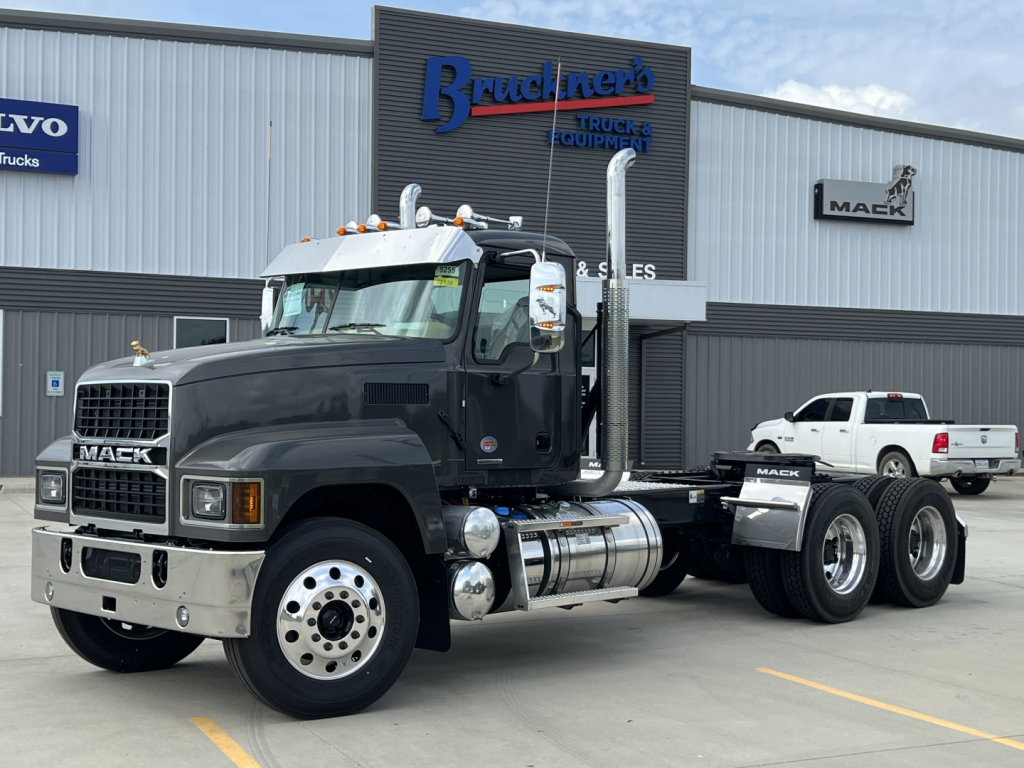
Showing 25 to 36 of 46 results
Have mack conventional daycab truck to sell? List it here to reach thousands of buyers.
About Mack Conventional Daycab Trucks in Louisiana
The biggest buying decision is usually matching the chassis and drivetrain to the route. A single-axle Mack daycab with an MP7, 12-speed mDRIVE, shorter wheelbase, and a faster rear ratio can be a strong fit for fuel-conscious regional runs, city delivery, and tight dock access. A tandem-axle truck with an MP8, heavier front axle, 40,000 to 46,000 lb rear capacity, air ride suspension, and ratios in the mid-3s is better suited for sustained highway pulling, heavier trailers, and operations that see rougher yards or more start-stop stress. Wheelbase matters more than many buyers expect. A 167-inch wheelbase behaves very differently from a 219- to 225-inch truck when it comes to bridge law planning, trailer swing clearance, and maneuverability around plants, terminals, and crowded customer sites.
Mack powertrains are a major reason buyers stay with the brand. The MP7 and MP8 engines are well known for low-end torque, engine brake performance, and compatibility with Mack's mDRIVE automated manual transmissions. That integrated package can simplify service and help with drivability across mixed driver skill levels. Buyers comparing used units should pay close attention to axle ratings, rear suspension model, emissions history, transmission calibration, and how the truck was previously assigned. A fleet-maintained regional tractor may have very different wear patterns than a port or vocational truck with similar miles. Front axle capacity, rear ratio, and suspension spec also tell you a lot about what the truck was built to do from day one.
For Louisiana operations, corrosion exposure, cooling performance, and idle profile deserve extra attention. Trucks working near the coast, in port environments, or in high-humidity conditions benefit from a careful inspection of frame condition, air system components, electrical connectors, and aftertreatment service records. Buyers running I-10, I-12, Baton Rouge, New Orleans, Lake Charles, or industrial corridors along the river often prioritize a balance of highway gearing, driver comfort, and durability in stop-and-go traffic. A well-specced Mack conventional daycab can be an efficient choice for fleets that need a rugged tractor, strong resale appeal, and a cab designed for drivers who are in and out of the truck all day.
Frequently Asked Questions
What is the difference between a Mack single-axle daycab and a tandem-axle daycab?
A single-axle Mack daycab is typically chosen for lighter regional freight, P&D, and operations where lower empty weight, better maneuverability, and fuel economy are priorities. A tandem-axle Mack daycab is built for heavier trailer loads, higher kingpin weight, tougher yard conditions, and more demanding highway applications. The tandem setup usually brings higher rear axle capacity, a heavier suspension, and drivetrain specs better suited for sustained pulling.
Which Mack engine is common in a conventional daycab, MP7 or MP8?
Both are common, but they serve different needs. The Mack MP7 is often found in fuel-conscious regional and local tractors where lower curb weight and efficient cruising matter. The Mack MP8 is more common in heavier tandem-axle daycabs and applications that need more horsepower and torque for loaded highway work, steeper grades, or higher gross combinations. The right choice depends on trailer type, average payload, terrain, and expected duty cycle.
Is the Mack mDRIVE transmission a good fit for daycab applications?
Yes. The mDRIVE automated manual is widely used in Mack daycabs because it reduces driver fatigue in traffic, delivers consistent shifting, and works well in regional and local service. It can also help fleets standardize operation across different drivers. Buyers should still confirm the transmission model, software calibration, and intended duty rating, especially on heavier vocational or high-GCWR specs.
What rear axle ratio works best in a Mack daycab?
Rear axle ratio should match the truck's actual job, not just its horsepower rating. Faster ratios such as 2.80 are usually aimed at fuel-efficient highway operation with lighter loads or single-axle regional service. Mid-range to deeper ratios such as 3.56 or 3.79 are more common on tandem-axle trucks that need better launch, stronger grade performance, and improved control under heavier trailer weights. Tire size, transmission gearing, and average road speed all affect the best ratio choice.
What should buyers inspect on a used Mack daycab in Louisiana?
Focus on service records, aftertreatment history, cooling system condition, suspension wear, brake condition, and any signs of corrosion from coastal or port exposure. Check the frame, battery box area, air lines, electrical connections, and fifth wheel condition. On a daycab that has seen stop-and-go or industrial service, pay close attention to clutch and transmission behavior on manual or automated manual units, driveline wear, and evidence of excessive idle hours relative to miles.