
New Ford Chipper Trucks For Sale in Florida
New Ford chipper trucks for tree service and debris hauling, with common specs, body features, GVWR considerations, and Florida-ready buying tips.
Learn more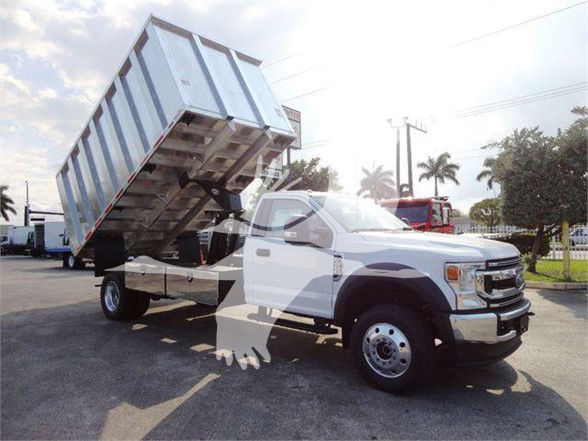
Have new ford chipper truck to sell? List it here to reach thousands of buyers.
About New Ford Chipper Trucks in Florida
The chipper body is where most of the buying decision happens. Common setups include 12-foot to 14-foot aluminum or steel chipper dump bodies with tall sidewalls, chipper roofs or caps, barn doors, and electric-over-hydraulic hoists. Aluminum bodies help reduce curb weight and can be attractive in humid coastal climates like Florida where corrosion resistance matters. Buyers should look closely at side height, rear door design, and hoist capacity because those details affect how efficiently crews can load brush and how cleanly the body dumps wet chips, palm debris, and mixed green waste. Tool storage, interior D-rings, pintle hitches, trailer plugs, and brake controller provisions also matter if the truck will tow a chipper or mini skid on the same route.
On the chassis side, GVWR, axle ratings, wheelbase, and drivetrain should match the work cycle. A 4x4 Ford chipper truck can make sense for soft shoulders, storm response, and undeveloped job sites, but it adds weight and cost that may not be necessary for urban tree service routes. Turning radius, cab style, and visibility are important in Florida neighborhoods with tight driveways, low branches, and frequent backing. Buyers should also confirm CDL implications, payload after body installation, and local bridge and road restrictions, especially if the truck will regularly haul dense, wet loads rather than dry wood chips.
A well-spec'd new Ford chipper truck is less about top speed and more about uptime, body durability, and jobsite efficiency. Good vocational specs include a practical hitch setup, accessible toolboxes, dependable PTO or electric-over-hydraulic dump operation, and body materials that hold up to constant abrasion from limbs and stump debris. For tree care fleets, utility contractors, and public works departments, the best unit is usually the one that keeps crews moving with minimal hand unloading, easy towing integration, and enough legal payload to finish a route without repeated dump runs.
Frequently Asked Questions
What is a Ford chipper truck used for?
A Ford chipper truck is a vocational dump truck designed to haul wood chips, brush, limbs, leaves, and other bulky green waste generated by tree service and vegetation management crews. It is also used for storm debris cleanup, municipal forestry work, and right-of-way maintenance. The tall chipper body allows loose material to be loaded efficiently from the ground or directly from a chipper discharge chute.
What Ford chassis is commonly used for a chipper truck?
Ford chipper trucks are commonly built on medium-duty chassis such as the Ford F-600, especially when buyers need higher GVWR, stronger suspension capacity, and better durability for daily vocational use. The exact chassis depends on body length, expected payload, towing needs, and whether the truck will operate mainly on paved streets or in off-road conditions. A properly matched chassis should leave enough payload after the body and equipment are installed.
Is an aluminum or steel chipper body better?
Aluminum chipper bodies are popular because they reduce empty weight and resist corrosion, which is valuable in humid and coastal regions like Florida. Steel bodies can offer durability in hard-use applications, but they usually weigh more and may require more attention to corrosion prevention over time. The better choice depends on payload goals, operating environment, maintenance practices, and the type of debris being hauled.
Do I need 4x4 on a chipper truck?
4x4 is useful if the truck regularly enters muddy job sites, soft shoulders, storm-damaged areas, or undeveloped rights-of-way. It improves traction and can reduce the chance of getting stuck during cleanup work. For fleets that stay mostly on paved residential and municipal routes, a 4x2 truck may provide better payload capacity, lower purchase cost, and simpler maintenance.
What specs matter most when buying a new chipper truck?
The most important specs are GVWR, usable payload, body length, sidewall height, hoist type, rear door configuration, and towing setup. Buyers should also review wheelbase, axle ratings, engine choice, storage options, and how the final body upfit affects legal operating weight. For tree service work, the best configuration is the one that loads quickly, dumps cleanly, tows supporting equipment safely, and stays productive through repeated stop-and-go use.