
New Ford Chipper Trucks For Sale
New Ford chipper trucks for tree service and brush hauling, with dump bodies, hoists, PTO or electric hydraulics, and work-ready chassis specs.
Learn more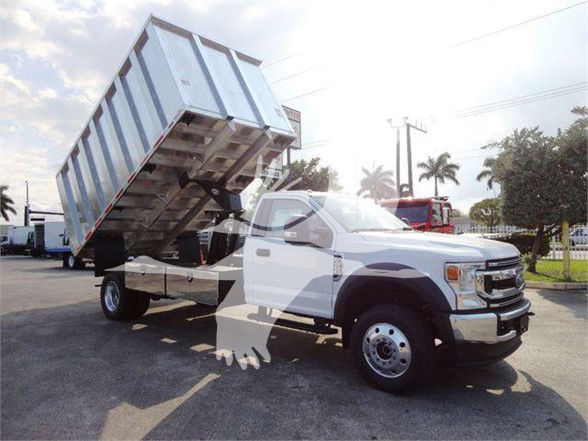
Have new ford chipper truck to sell? List it here to reach thousands of buyers.
About New Ford Chipper Trucks
The chassis decision matters as much as the body. Ford chipper trucks can be set up with gas or diesel power depending on operating preference, service access, and annual mileage. Buyers should compare GVWR, front and rear axle ratings, wheelbase, cab style, and drivetrain before focusing on body length alone. A 4x2 chassis may suit paved municipal routes and established tree service work, while a 4x4 setup is often preferred for off-road access, storm response, soft ground, and rural right-of-way maintenance. Regular cab units keep the truck compact and maneuverable in tight neighborhoods, but some buyers may prefer extended cab layouts for crew storage and added flexibility.
Body spec is where chipper trucks separate themselves from a standard landscape dump or trash dump truck. Common features include aluminum or steel chipper bodies, 10-foot to 14-foot body lengths, 60-inch to 72-inch side heights, barn doors, and an added chipper roof cap to increase cubic capacity without pushing too much weight. Hoist type is worth close attention. Electric over hydraulic systems are common on lighter-duty builds and can simplify operation, while PTO-driven hydraulics may be preferred by buyers who want continuous-duty performance and simpler upfit integration. Practical details such as scuff protection, D-rings, backup cameras, tarp systems, toolbox placement, pintle hitches, trailer brake wiring, and chipper towing compatibility can have a bigger effect on daily productivity than headline specs alone.
A strong new Ford chipper truck should match the way the crew actually works. Tree companies often need a truck that can tow a wood chipper, carry saws and rigging, dump cleanly at compost or transfer sites, and still fit residential streets without becoming cumbersome. Municipal buyers may prioritize corrosion resistance, easy parts support, and body dimensions that align with repeat route work. When comparing listings, focus on payload after upfit, loading height, hoist geometry, rear door design, and how the body integrates with the chassis frame. Those details determine how efficiently the truck loads brush, handles uneven material, and cycles through a full workday.
Frequently Asked Questions
What is a Ford chipper truck used for?
A Ford chipper truck is used to haul wood chips, brush, limbs, and other bulky debris generated by tree service, utility line clearance, municipal forestry, and landscape operations. It combines a medium-duty Ford chassis with a high-capacity chipper dump body that is designed for loose, low-density material. Many setups also include towing equipment for a tow-behind chipper, making the truck a central piece of a pruning or removal crew's daily operation.
What should buyers look for in a new Ford chipper truck?
The key buying points are chassis capacity, body volume, hoist design, and towing setup. Buyers should verify GVWR, axle ratings, wheelbase, engine choice, and drivetrain first, then confirm body length, side height, rear door configuration, and chipper cap dimensions. It is also important to check for practical work features such as toolboxes, hitch type, brake controller compatibility, tie-down points, and whether the loading height fits the crew's workflow.
Is aluminum or steel better for a chipper truck body?
Aluminum bodies are popular because they reduce tare weight and improve corrosion resistance, which can help preserve payload and long-term appearance. Steel bodies can offer durability in harsh service and may be preferred in fleets that operate in heavy debris or rough loading conditions. The right choice depends on duty cycle, climate, expected service life, and whether low empty weight or maximum structural ruggedness is the higher priority.
Do Ford chipper trucks usually come in 4x2 or 4x4?
Both are common, and the best choice depends on where the truck works. A 4x2 chipper truck is often adequate for city streets, established commercial properties, and municipal routes with predictable access. A 4x4 chassis adds traction for muddy jobsites, storm cleanup, undeveloped areas, and roadside work where crews may need to leave paved surfaces. Buyers should weigh the added capability against higher acquisition cost, added weight, and more components to service.
How is a chipper truck different from a standard dump truck?
A chipper truck is built specifically for high-volume brush and chip material, not dense aggregate or demolition debris. It usually has much taller sides, a chipper cap or roof extension, and rear access designed around lightweight but bulky loads. A standard dump truck may carry heavier material more efficiently, but it typically lacks the cubic capacity and arborist-focused body design that tree crews need for brush hauling.