
Western Star Cab and Chassis Trucks For Sale
Browse Western Star cab and chassis trucks built for upfitting, heavy vocational work, PTO applications, and durable long-service fleets.
Learn moreNo exact matches found for your search
Showing Cab and Chassis Trucks instead.
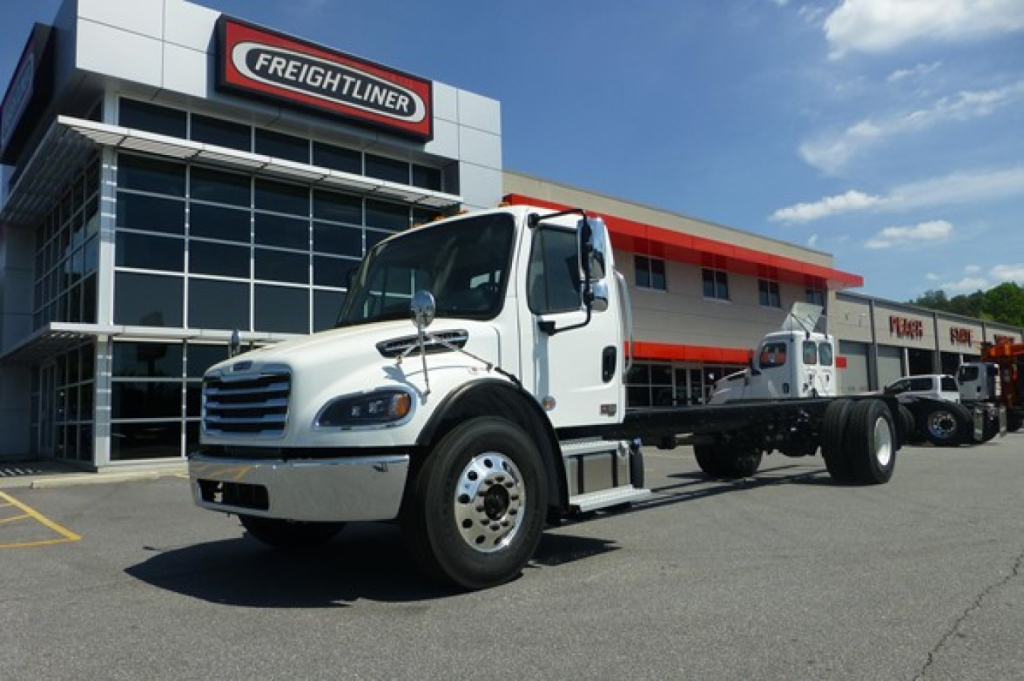
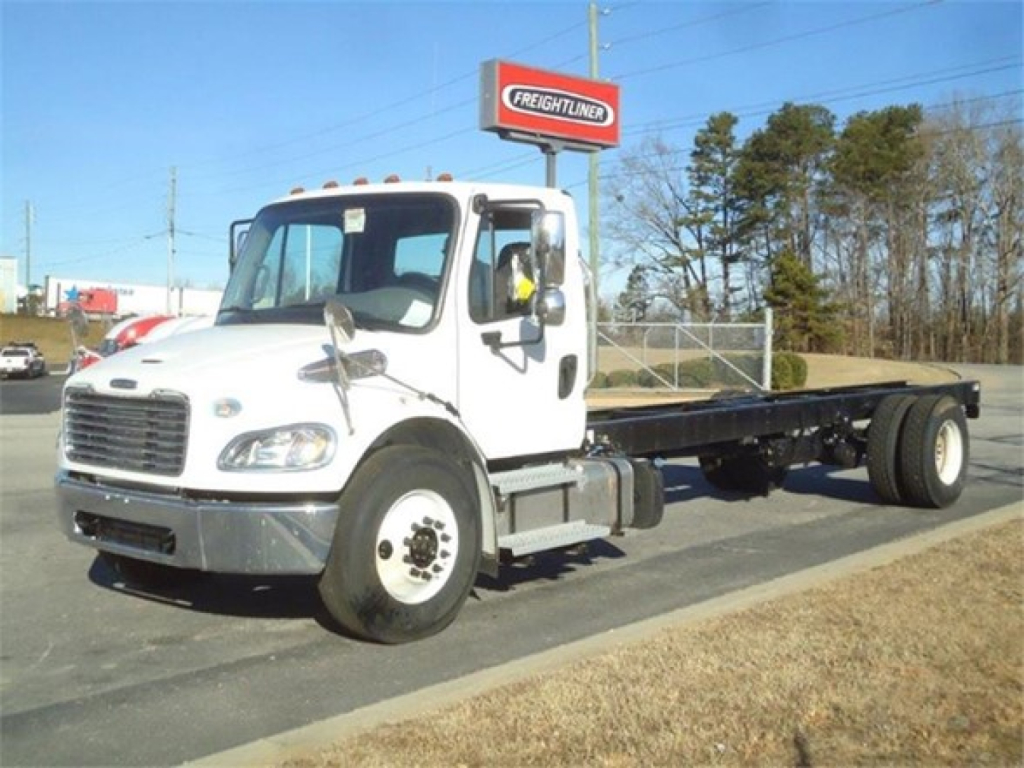
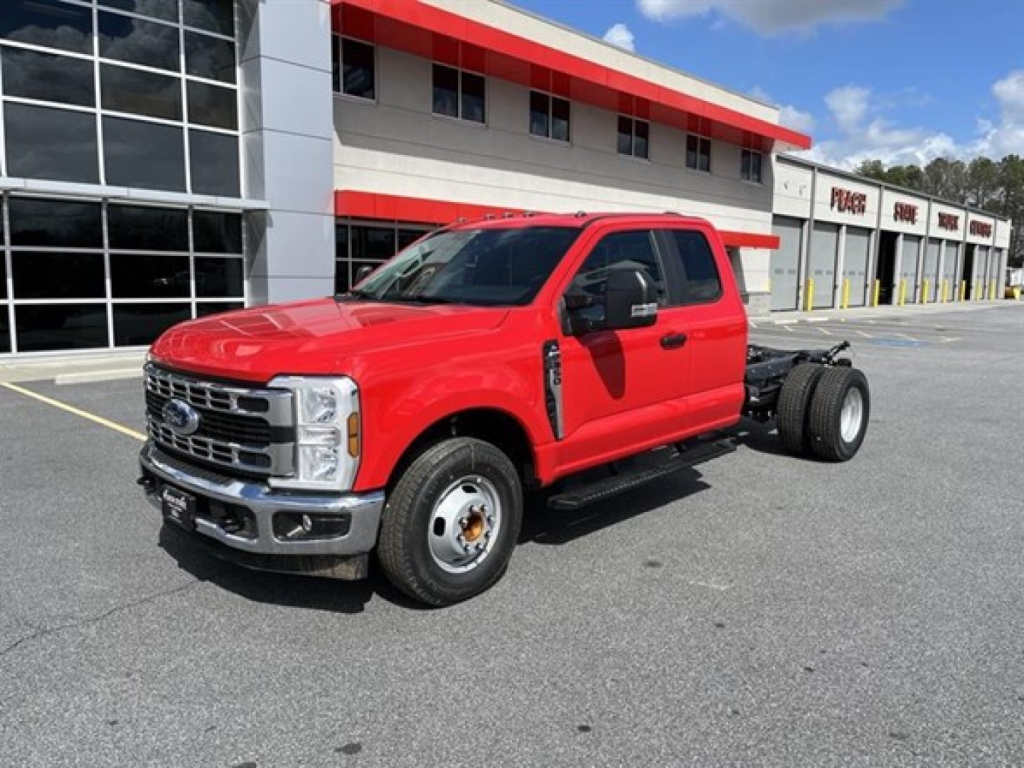
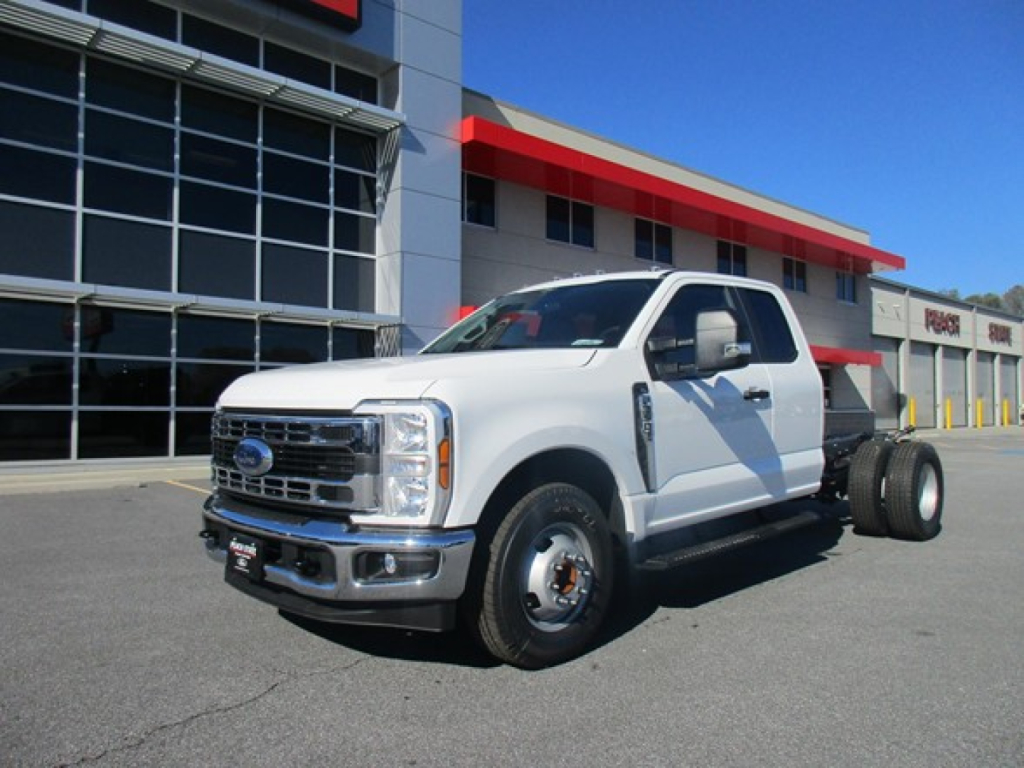
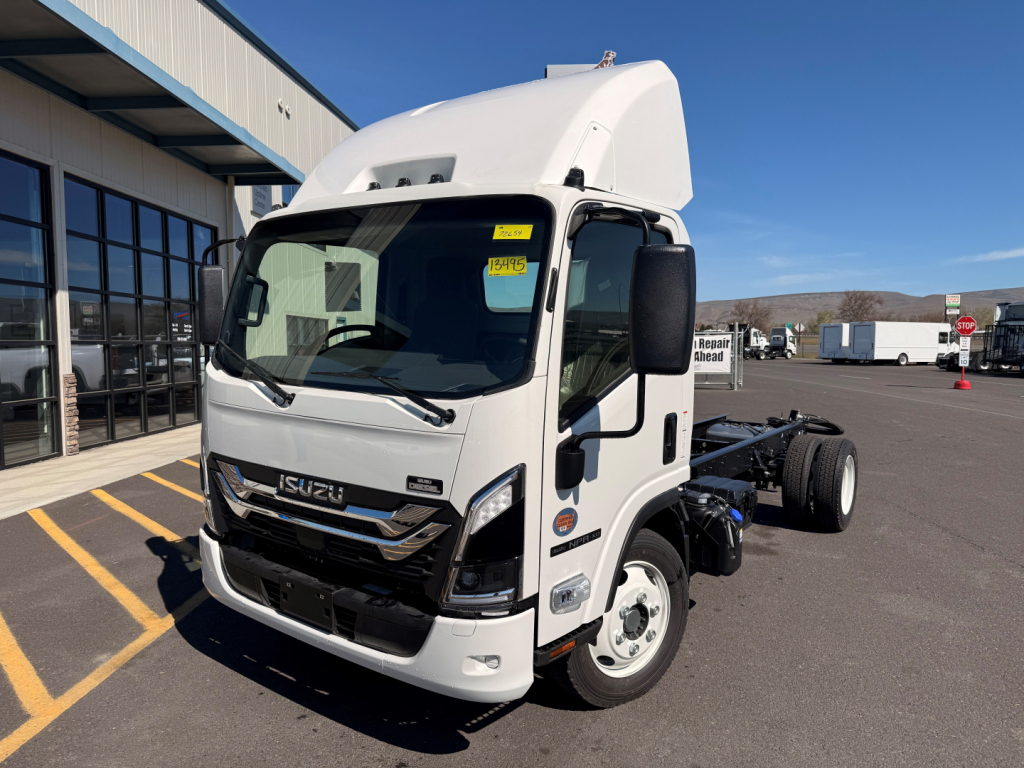
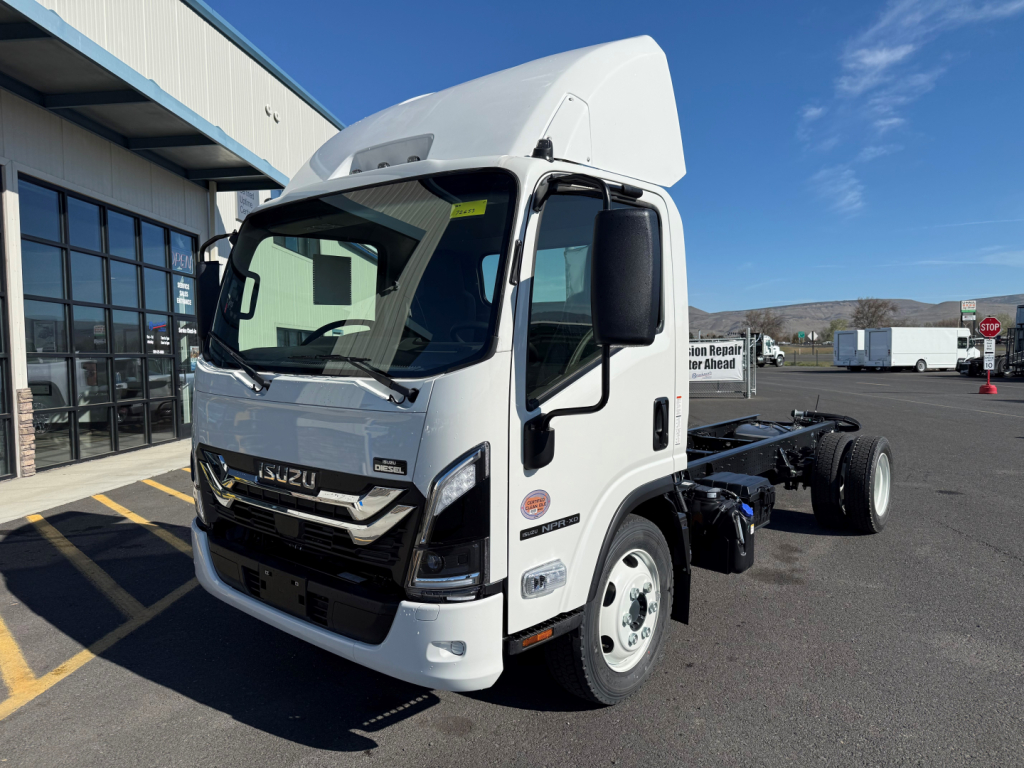


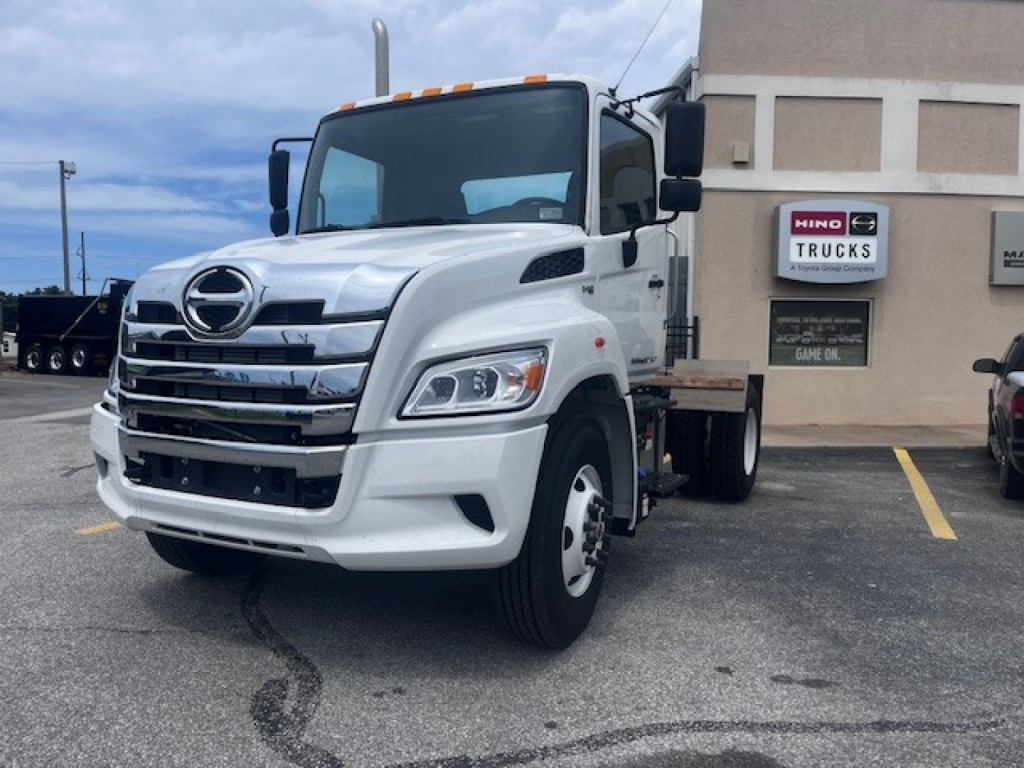
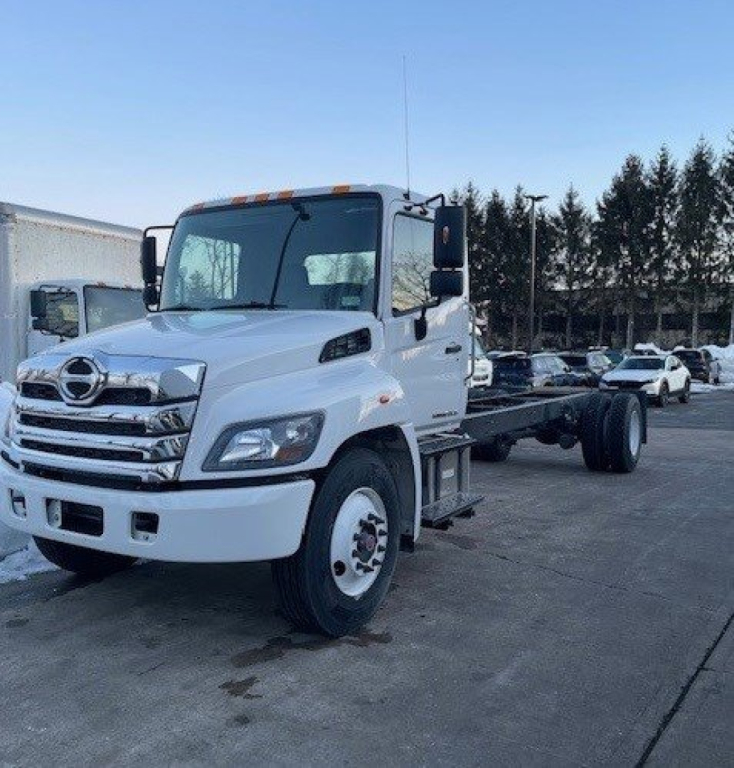
Showing 25 to 36 of 139 results
Have western star cab and chassis truck to sell? List it here to reach thousands of buyers.
About Western Star Cab and Chassis Trucks
Common models in this segment include the Western Star 4700 and 4900 series, with specs ranging from medium-heavy vocational setups to true heavy-haul foundations. Buyers should look closely at GVWR and front axle capacity first, especially if the truck will carry a high-mounted body, outriggers, or front-end equipment. Diesel engines from Detroit and Cummins are common depending on year and build, paired with manual, automated manual, or Allison automatic transmissions. Double frame construction, locking differentials, high-capacity cooling, and vocational rear suspensions are frequent features on trucks intended for off-road or jobsite service. If the truck is being purchased for a body install, confirm usable frame length, frame condition behind the cab, and whether any prior body mounts or drill patterns will affect the new installation.
Cab and chassis buyers also need to think about operational fit, not just rated capacity. A low-cab, shorter BBC configuration can improve maneuverability in urban utility work, while a longer-hood Western Star may be preferred for accessibility, cooling package capacity, and heavier front-end components. PTO openings, transmission programming, air system layout, fuel tank placement, and battery box position can all influence body builder costs. If the truck is replacing an existing unit, compare cab-to-axle and axle spread carefully so the body transfer is realistic. On used units, inspect frame corrosion, suspension wear, steering components, crossmembers, and any signs of prior overloading or hard vocational use.
Western Star cab and chassis trucks typically appeal to fleets that value durability and service life over lightweight highway spec'ing. They are often chosen for demanding applications where frame strength, component access, and upfit flexibility matter more than sleeper amenities or long-haul aerodynamics. For many buyers, the value of this category comes from finding the right chassis foundation for the intended body and duty cycle, because a properly matched spec will be easier to upfit, more stable under load, and less expensive to operate over time.
Frequently Asked Questions
What is a Western Star cab and chassis truck used for?
A Western Star cab and chassis truck is an incomplete truck built to receive a vocational body or specialized equipment. Common uses include dump trucks, utility trucks, mechanics bodies, crane trucks, tank trucks, vacuum units, roll-off systems, hooklifts, and municipal service equipment. The chassis is purchased for its frame strength, axle ratings, PTO capability, and body-builder compatibility rather than as a finished straight truck.
What should I check before buying a used Western Star cab and chassis?
Start with the dimensions and ratings that affect the final upfit. Confirm GVWR, front and rear axle ratings, wheelbase, cab-to-axle, and frame length. Then inspect the frame rails for corrosion, cracks, extra drill holes, prior body-mount damage, and repairs. It is also important to review engine hours, PTO setup, suspension condition, steering wear, brake system health, and whether the truck has the transmission and electrical provisions needed for the body you plan to install.
Which Western Star models are most common in cab and chassis configurations?
The 4700 and 4900 series are among the most common Western Star platforms in cab and chassis applications. The 4700 is often seen in regional vocational service with a balance of maneuverability and heavy-duty capability. The 4900 is a frequent choice for more demanding work that needs higher axle capacities, heavier frame options, or severe-service durability. Exact availability depends on model year, axle configuration, and how the truck was originally ordered.
Why do cab-to-axle and wheelbase matter so much on a cab and chassis truck?
Cab-to-axle and wheelbase determine whether a specific body will fit correctly and how the finished truck will balance weight across the axles. If these measurements are wrong, the body may not mount properly, weight distribution can become a problem, and the truck may not meet bridge laws or front axle loading requirements. These dimensions also affect turning radius, body overhang, and the cost of adapting an existing body to a replacement chassis.
Are Western Star cab and chassis trucks good for heavy vocational work?
Yes. Western Star has a strong reputation in severe-duty and vocational applications because these trucks are commonly spec'd with heavy frame rails, robust suspensions, locking rears, high-capacity axles, and PTO-ready driveline setups. That makes them a practical choice for construction, municipal, energy, logging, and utility fleets that need a durable chassis foundation and expect long service life in rough operating conditions.