
Used Oshkosh Cab and Chassis Trucks For Sale in New York
Browse used Oshkosh cab and chassis trucks for demanding municipal, plow, and vocational work with heavy-duty frames and drivetrain options.
Learn more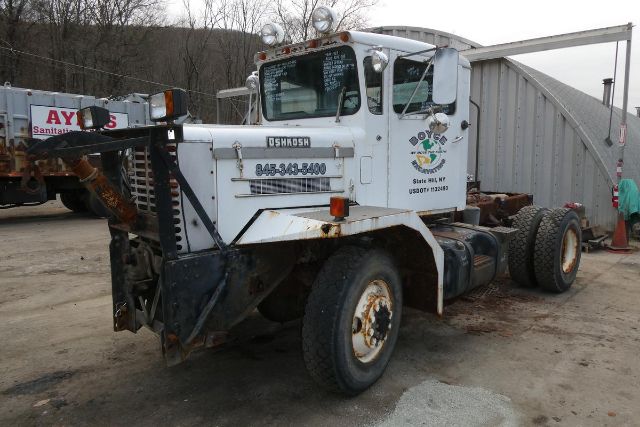
Have used oshkosh cab and chassis truck to sell? List it here to reach thousands of buyers.
About Used Oshkosh Cab and Chassis Trucks in New York
The key buying decisions start with drivetrain, frame layout, and body interface dimensions. On an Oshkosh cab and chassis, pay close attention to axle configuration, transfer case setup, front drive components, PTO arrangement, hydraulic wetline equipment, and whether the truck was originally built for plow and spreader duty. Cab-to-axle and cab-to-end measurements matter if the next step is mounting a dump body, utility body, sander, or custom equipment package. GVWR, suspension type, brake system, wheelbase, and tire size all affect payload, maneuverability, and upfit cost. Many older Oshkosh trucks were ordered with mechanical diesel engines, manual transmissions, spring suspension, and heavy-duty Rockwell or similar running gear, which can be attractive to buyers who prefer simpler serviceability over newer emissions-era complexity.
Condition matters more in this category than model year alone. A used Oshkosh cab and chassis may have spent years in snow and corrosive environments, so frame condition, crossmembers, brake hardware, hydraulic lines, electrical integrity, and cab floor rust deserve close inspection. On ex-plow units, inspect the front frame horns, plow mounts, steering components, front springs, transfer case operation, and evidence of repeated seasonal stress. If the truck includes PTO-driven hydraulics, spreader controls, or front-mounted plow equipment, confirm what remains functional and what will need rebuilding. Engine hours can be just as important as odometer readings on municipal trucks that spent long periods idling during storm operations.
For the right buyer, an Oshkosh cab and chassis can be a very capable foundation for specialized work that demands durability over speed or ride comfort. These trucks are often chosen for traction, low-speed control, and structural strength rather than over-the-road efficiency. That makes them especially relevant for municipalities, contractors, airports, and utility operators that need a truck to carry equipment and work in bad conditions. When comparing listings, focus on how the original spec matches the intended application, because the value in this category comes from the chassis design, available hydraulics, axle equipment, and overall suitability for the body or attachment package you plan to run.
Frequently Asked Questions
What are used Oshkosh cab and chassis trucks typically used for?
Used Oshkosh cab and chassis trucks are commonly used for municipal snowplow service, sanders, dump bodies, utility bodies, airport maintenance, and other severe-duty vocational applications. Many were originally spec'd for low-speed, high-traction work with heavy front axles, PTO hydraulics, and optional all-wheel-drive systems. Their value is usually highest when the chassis layout matches a specialized job that needs a rugged frame and strong running gear.
What should I inspect first on a used Oshkosh cab and chassis?
Start with the frame, drivetrain, and hydraulic systems. Check for corrosion on the frame rails, crossmembers, spring hangers, brake components, cab mounts, and wiring, especially on trucks that worked in snow and salt. Then inspect the transfer case, front axle, steering gear, PTO setup, pump operation, and any plow or spreader mounting structure. On older trucks, service history and evidence of component rebuilds can matter more than cosmetic appearance.
Are Oshkosh cab and chassis trucks good for plow and spreader work?
Yes. Oshkosh has a strong reputation in plow and spreader applications because many of these trucks were designed for severe-duty municipal use. Heavy front-end components, available 4WD or all-wheel-drive systems, and hydraulic provisions make them well suited for carrying front plows and operating spreader equipment. Buyers should still confirm axle ratings, hydraulic functionality, and front frame condition before planning winter service.
Why do cab-to-axle and wheelbase measurements matter on this category?
Cab-to-axle and wheelbase measurements determine what body or equipment can be installed without major chassis modification. A dump body, utility body, sander, or custom vocational upfit needs the correct dimensional relationship between the cab, rear axle, and frame end. These measurements also affect turning radius, weight distribution, and how much usable body length the truck can support.
Are older mechanical Oshkosh trucks easier to maintain?
Many buyers prefer older mechanical Oshkosh trucks because they often use simpler diesel engines, manual transmissions, and less electronic integration than newer equipment. That can make diagnosis and repair more straightforward for fleets or owner-operators with in-house maintenance capability. The tradeoff is that age, parts sourcing, rust, and prior municipal wear can create restoration costs that need to be evaluated carefully.