
Bus Trucks For Sale in New Jersey
Browse bus trucks for sale in New Jersey, including shuttle and passenger bus models with common specs, chassis options, and buying guidance.
Learn more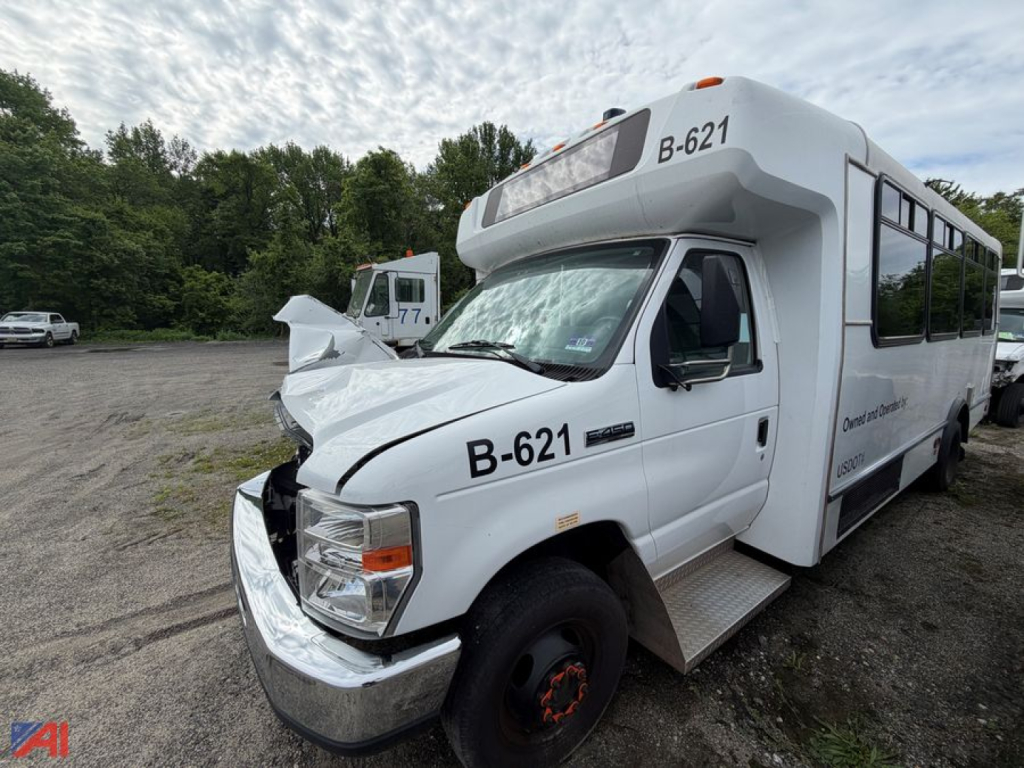
Have bus truck to sell? List it here to reach thousands of buyers.
About Bus Trucks in New Jersey
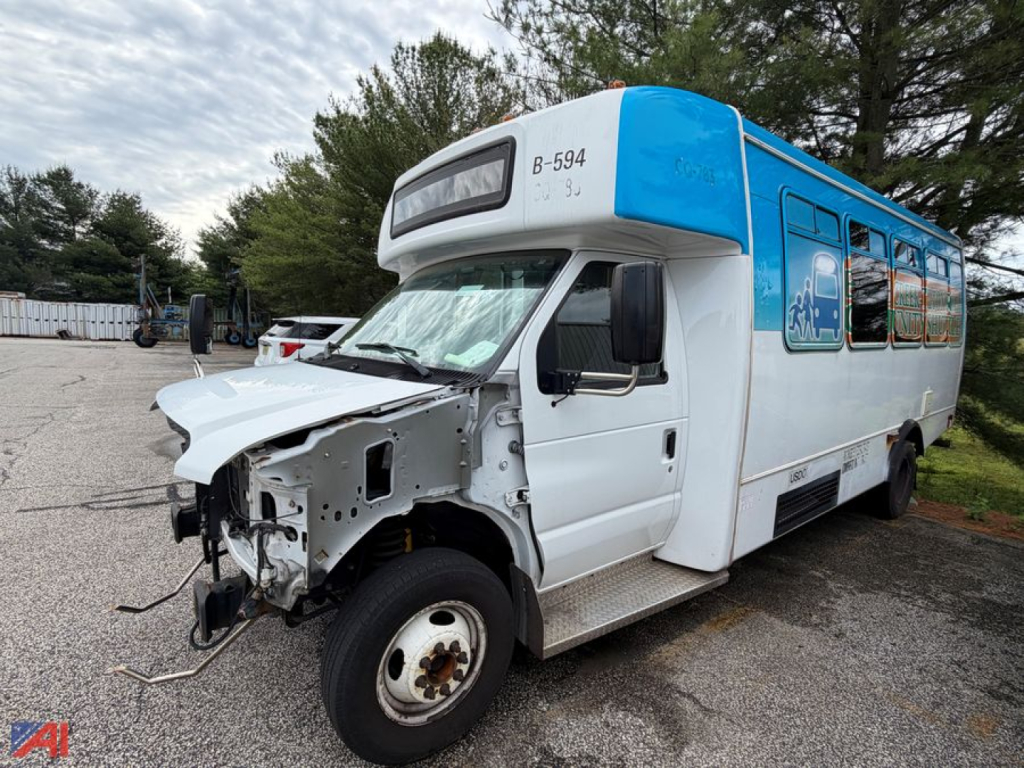
A Ford E-450 based bus is typically chosen for its straightforward serviceability, wide parts availability, and familiarity across municipal and private fleets. In this class, common considerations include gasoline versus diesel power, single rear wheel versus dual rear wheel setup where applicable, wheelchair lift or ramp equipment, roof height, luggage or rear storage, and HVAC capacity for year-round passenger comfort. If the bus will spend most of its time in stop-and-go local service, transmission condition, brake wear, cooling system health, and idle hours matter just as much as odometer miles. For New Jersey operators, corrosion from winter road salt should be inspected closely on the frame, stepwell, body mounts, brake lines, and lower body panels.
Body construction and interior layout have a direct impact on long-term operating cost. A shuttle bus or small transit bus may have perimeter seating, forward-facing seats, standee room, grab rails, and ADA equipment depending on the intended service. Flooring condition, wheelchair securement points, entry step integrity, and signs of leaks around roof caps or window frames deserve careful attention. On older units, electrical accessories such as destination signs, warning systems, lift interlocks, and rear HVAC blowers can become nuisance repair items if the bus has seen heavy institutional use.
The right bus truck depends on passenger count, route length, and facility access. Tight urban and suburban routes often favor shorter wheelbases and compact overall length for easier maneuvering, while hotel, airport, and community transport operators may prioritize higher seating counts and luggage room. A buyer comparing listings should verify seating capacity, GVWR, engine hours if available, lift operation, tire date codes, and maintenance history. In this category, a clean service record and a solid, rust-controlled body are often more valuable than model year alone.
Frequently Asked Questions
What is the most common chassis for a small bus truck in this category?
One of the most common chassis platforms is the Ford E-450 cutaway. It is widely used for shuttle buses, paratransit buses, church buses, and municipal passenger transport because it offers a proven medium-duty foundation, broad service support, and easy parts sourcing. Buyers often prefer it when they want a familiar platform that most fleet technicians already know how to maintain.
What should I inspect first on a used bus in New Jersey?
Start with corrosion, structural condition, and accessibility equipment. In New Jersey, road salt can accelerate rust on the frame rails, crossmembers, body mounts, stepwell, fuel and brake lines, and suspension components. After that, inspect wheelchair lifts or ramps, entry doors, roof seams, window seals, and HVAC operation. A bus that looks clean cosmetically can still have expensive rust or electrical issues underneath.
How important is mileage on a used bus truck?
Mileage matters, but it is only part of the picture. Passenger buses often spend significant time in stop-and-go service, extended idle, and low-speed operation, which can increase wear on transmissions, brakes, cooling systems, and electrical accessories. Service records, engine hours if available, lift cycle condition, and evidence of regular preventive maintenance often tell you more than mileage alone.
What seating and layout options matter most when comparing bus listings?
The key layout questions are how many passengers you need to carry, whether ADA access is required, and how much space must be reserved for mobility devices, luggage, or standing room. Seat configuration affects passenger flow, comfort, and legal capacity. Door location, aisle width, rear storage, and interior headroom also matter, especially for airport, hotel, senior transport, and community shuttle operations.
Are shuttle buses and bus trucks the same thing?
In many marketplace listings, shuttle buses, cutaway buses, and bus trucks are grouped together because they share the same commercial chassis-based design. Most are built on truck-derived or van-derived platforms with a passenger body added by a specialty manufacturer. The exact term varies by operator, but buyers are generally looking at the same core equipment class: a commercial passenger bus built for fleet duty.