
Ford Bus Trucks For Sale in New Jersey
Browse Ford bus trucks for sale in New Jersey, including E-450 shuttle bus models built for transit, senior transport, church and fleet use.
Learn more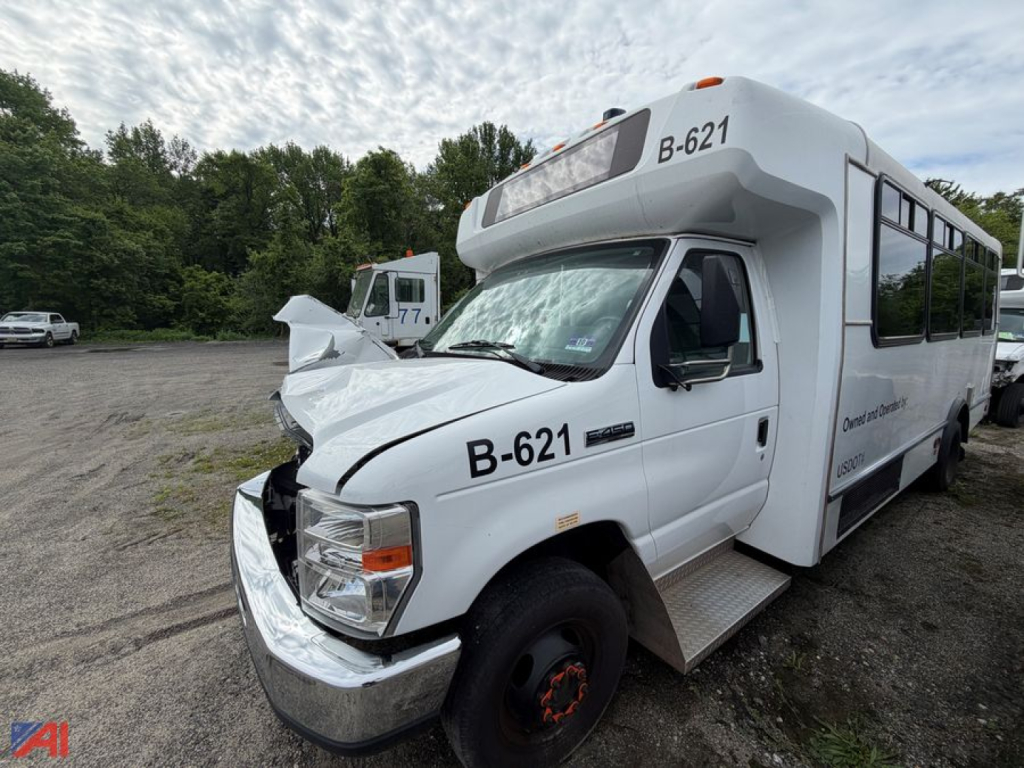
Have ford bus truck to sell? List it here to reach thousands of buyers.
About Ford Bus Trucks in New Jersey
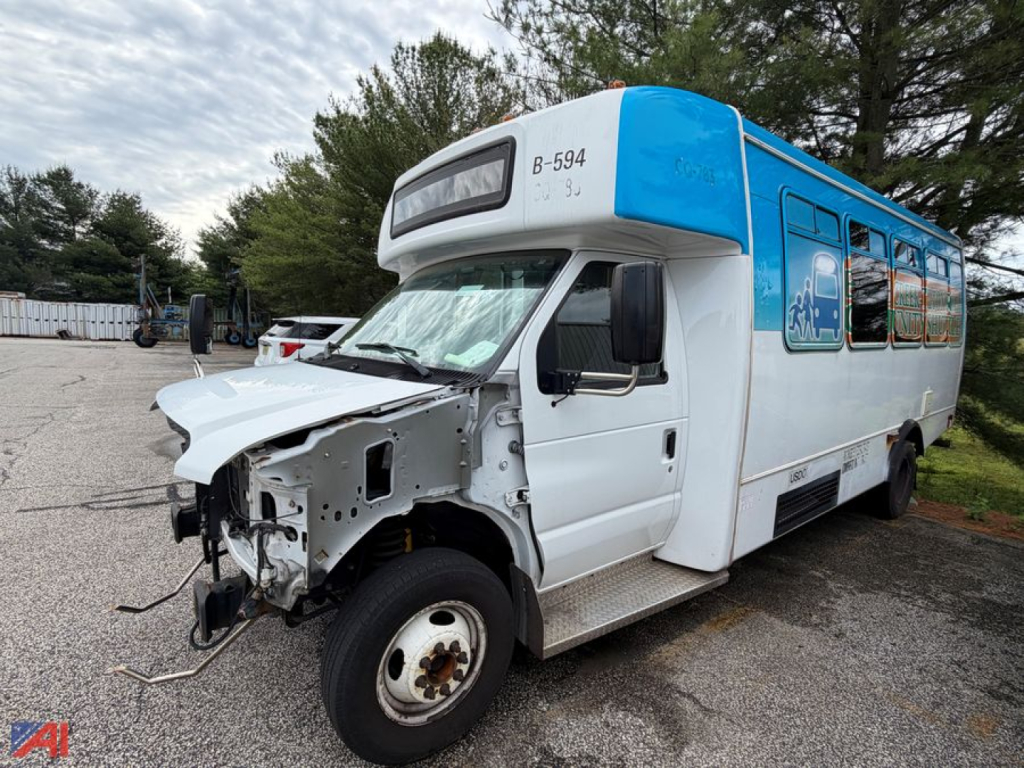
The Ford E-450 is one of the most common foundations in this category. It is typically equipped with a gasoline V8 or V10 depending on model year, paired with an automatic transmission and dual rear wheels for added stability under passenger loads. GVWR, wheelbase, body length, seating count, and interior standing room can vary significantly by body builder, even when two buses share the same Ford chassis. Common body manufacturers may include shuttle and transit-style builders that add fiberglass or steel body structures, rear luggage space, ADA lifts, tie-down positions, and multiple HVAC zones. A buyer should pay close attention to brake condition, suspension wear, rear axle ratings, lift operation, electrical accessories, and evidence of water intrusion around roof seams or side windows.
For New Jersey operators, route type matters. A short-route senior shuttle or hotel bus may benefit from tighter overall length and easier maneuverability in dense suburban or urban pickup zones, while a longer body with higher passenger capacity can make more sense for scheduled group transport. Stop-and-go service, idle time, and seasonal HVAC demand all add wear in different ways, so maintenance history is more important than odometer alone. If the bus has been used in municipal or contracted transit service, inspect entry steps, grab rails, flooring, passenger seats, and wheelchair equipment for heavy-cycle wear. Rust should also be evaluated carefully on underbody components, step wells, door frames, and chassis mounting points, particularly in Northeast service environments.
A well-matched Ford bus can offer lower acquisition cost than a full-size rear-engine transit bus while still delivering dependable passenger capacity and familiar serviceability. Buyers should compare seating layout, ADA equipment, roof height, air conditioning performance, and remaining life in tires, brakes, and suspension before narrowing listings. On used Ford shuttle buses, the best value often comes from a unit with clear fleet maintenance records, a body configuration that fits the route, and a chassis spec that is not overloaded for the intended passenger count.
Frequently Asked Questions
What is the most common Ford bus chassis on the used market?
The Ford E-450 cutaway chassis is one of the most common platforms in the used bus market. It is widely used for shuttle buses, paratransit buses, church buses, and senior transport because it offers solid payload capacity, broad service support, and familiar Ford drivetrain components. Actual body size and passenger capacity depend on the upfitter, so two E-450 buses can differ substantially in seating, wheelchair positions, and interior layout.
What should I inspect first on a used Ford bus?
Start with the service history, mileage, engine hours if available, and the condition of high-wear passenger-service items. Check the wheelchair lift, entry door, step well, HVAC system, seats, flooring, suspension, brakes, and tires. On Northeast buses, rust inspection is critical, especially underneath the chassis, around body mounts, and near door and window openings. A clean body and functioning accessories matter, but deferred mechanical maintenance can turn a low-priced bus into an expensive repair project.
Is a Ford E-450 bus suitable for commercial passenger service?
Yes, the Ford E-450 is commonly used in commercial passenger applications such as hotel shuttles, airport parking transport, adult day care, church routes, and non-emergency mobility service. The key is matching the bus body and seating plan to the route. Buyers should verify passenger capacity, ADA requirements, luggage needs, and local operating rules before purchase, since the chassis may be suitable while a specific body configuration may not fit the job.
How important is the body builder on a Ford bus?
The body builder is very important because the chassis is only part of the vehicle. Body construction quality affects durability, leak resistance, interior noise, repair costs, and parts sourcing for doors, windows, lift components, and climate control systems. Two buses built on the same Ford chassis can have very different long-term ownership costs based on body materials, wiring quality, and the availability of replacement body parts.
Are gasoline Ford buses expensive to maintain?
Maintenance costs are often manageable compared with larger transit-style buses, mainly because the Ford E-Series platform is common and many service shops know it well. Costs still depend on use cycle, passenger load, and body equipment. A shuttle bus with frequent stops, long idle time, heavy air conditioning use, and wheelchair lift operation will generally need more attention than a lightly used private transport bus. Buyers should budget for both chassis maintenance and body-system repairs, not just engine and transmission service.