
New Bus Trucks For Sale
New bus trucks for sale, including shuttle and passenger buses with accessibility options, seating configurations, and commercial chassis specs.
Learn moreBrowse Bus Trucks by Make
Have new bus truck to sell? List it here to reach thousands of buyers.
About New Bus Trucks
Frequently Asked Questions
What is the difference between a bus truck and a full-size transit bus?
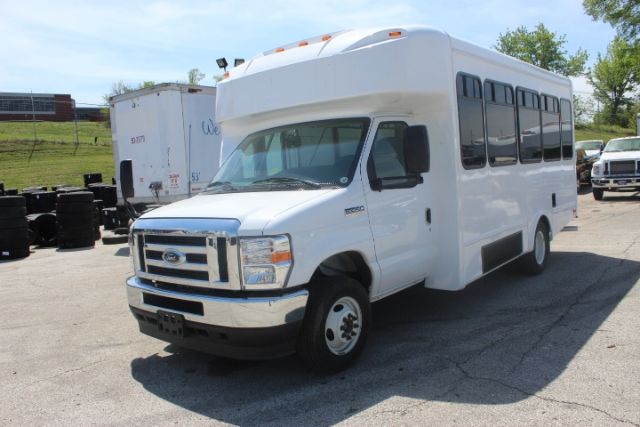
A bus truck in this category is typically a cutaway or commercial chassis-based passenger bus rather than a heavy-duty low-floor transit coach. It uses a truck-derived platform with a bus body added by a specialty manufacturer. That usually means easier service access, lower acquisition cost, and better suitability for smaller groups, private fleets, churches, hotels, medical transport, and community routes. A full-size transit bus is generally designed for higher passenger volume, urban stop-and-go duty cycles, and more demanding municipal service.
Do new shuttle buses require a CDL?
Some do and some do not. CDL requirements depend mainly on gross vehicle weight rating, passenger capacity, and how the bus is used under state and federal rules. Many small shuttle buses are marketed in non-CDL configurations, but seating count and actual operating use still matter. Buyers should confirm GVWR, rated passenger capacity including wheelchair positions, and local regulatory requirements before purchase, especially for for-hire transportation, church service, school-related activity, or medical passenger transport.
What specs matter most when buying a new bus truck?
The key specs are seating capacity, wheelchair lift or ramp configuration, door layout, interior headroom, GVWR, engine and transmission pairing, fuel type, and electrical capacity. Buyers should also look closely at suspension tuning, rear axle ratio, turning radius, HVAC output, and luggage or rear storage if the route includes airport or hotel work. For accessibility-focused service, lift cycle rating, securement layout, and ADA-related equipment details are as important as seat count.
Are gas-powered shuttle buses a good fit for commercial use?
Gas engines are a practical choice for many shuttle bus applications, especially when routes are local, annual miles are moderate, and service support needs to be simple. On common platforms like the Ford E-450, a modern gas engine can offer straightforward maintenance, broad dealer support, and good parts availability. Buyers running heavier passenger loads every day or accumulating high annual mileage should compare fuel cost, engine longevity expectations, and route profile before deciding between gas and other power options.
What should buyers look for in a new wheelchair-accessible bus?
Start with the number of ambulatory seats versus wheelchair positions the floorplan can support, then verify lift type, door opening dimensions, securement system, aisle width, and interior maneuvering space. A power wheelchair lift is common on shuttle buses, but platform size, lift capacity, and ease of operator use vary by build. Buyers should also evaluate handrails, step height, kneeling features if equipped, and how the accessible layout affects total passenger count and trip efficiency.