
Used GMC Bus Trucks For Sale in New York
Browse used GMC bus trucks for sale, including shuttle and school bus platforms, with key specs, GVWR, seating, body style, and maintenance points.
Learn more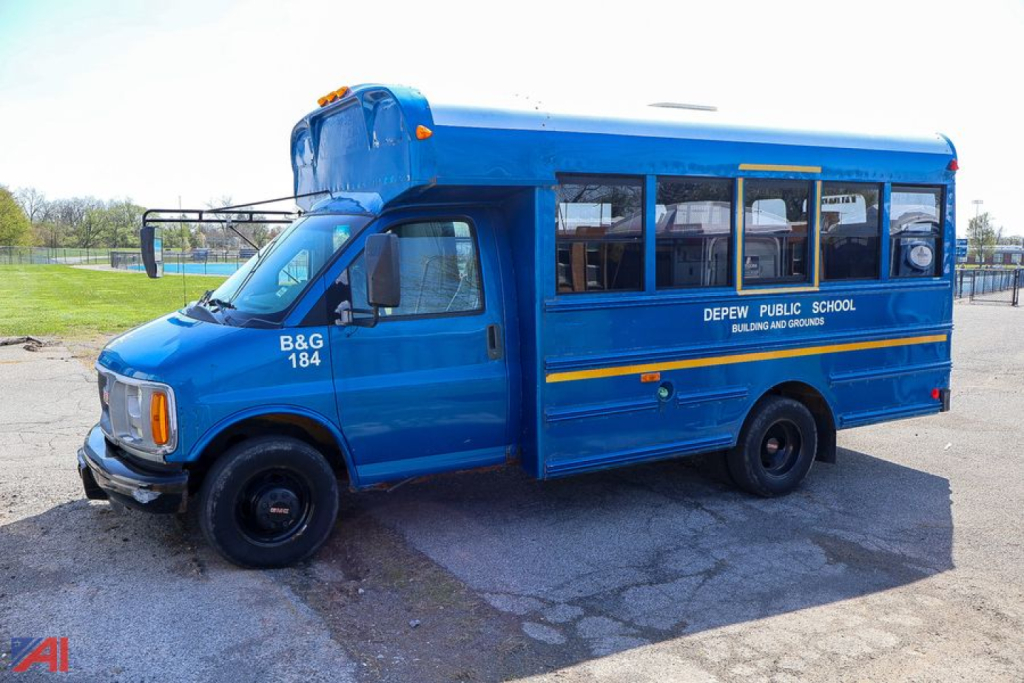
Have used gmc bus truck to sell? List it here to reach thousands of buyers.
About Used GMC Bus Trucks in New York
Powertrain and weight rating deserve close attention. Many used GMC bus trucks are built on gasoline V8 platforms, though some older units may have diesel power depending on body builder and application. Check GVWR, axle ratings, brake type, and suspension setup against the intended passenger load or conversion plan. A former school bus, for example, may have different seating layouts, emergency exits, warning light equipment, and state-specific specifications than a shuttle bus or activity bus. If the unit will be repurposed, buyers should confirm title status, registration class, and any equipment that must be removed or modified for compliance. On used buses, transmission condition, cooling system service history, rear A/C function, and wheelchair lift operation are all high-value inspection points.
Body builder details can matter almost as much as the GMC chassis. Window configuration, roof height, luggage space, HVAC capacity, and floor construction all affect usability and long-term maintenance cost. A bus used for school routes may have frequent stop-and-go wear, while a church or hotel shuttle may show lower seat wear but more idle time. Inspect seat mounts, flooring, rub rails, electrical panels, multiplex controls if equipped, and the condition of safety equipment. Tire age, not just tread depth, is important on low-mileage buses that have spent time parked.
A used GMC bus can be a practical choice for schools, churches, senior transport, contractor crew hauling, airport parking operations, or specialty conversions. The best value usually comes from matching the body style and duty cycle to the job instead of buying on passenger count alone. Buyers comparing listings should focus on wheelbase, body length, standing room, drivetrain accessibility, and evidence of preventive maintenance. A clean service history and a solid body often outweigh cosmetic flaws, especially on older bus platforms where downtime and corrosion can drive ownership cost more than the initial purchase price.
Frequently Asked Questions
What should I inspect first on a used GMC bus truck?
Start with rust, body structure, and service history. On a GMC cutaway bus, inspect the frame, brake lines, step well, rocker areas, floor, and lower body panels for corrosion. Then review engine and transmission maintenance, cooling system records, tire date codes, and operation of major accessories such as rear heat, air conditioning, and wheelchair lifts if equipped. Structural condition and deferred maintenance usually matter more than odometer reading alone.
Are GMC bus trucks usually built on the Savana chassis?
Many used GMC buses in this category are built on the GMC Savana cutaway chassis, especially smaller school buses, shuttle buses, and mobility transport units. That platform is common because it offers broad service support, familiar GM driveline components, and body builder flexibility. Exact specifications still vary by GVWR, wheelbase, engine, and the company that installed the bus body.
Is a former school bus different from a shuttle bus on a GMC platform?
Yes. A former school bus often has route-duty wear, multiple emergency exits, school lighting systems, specific seat spacing, and state-regulated equipment that may need modification for another use. A shuttle bus may have higher interior trim, different HVAC layout, luggage provisions, or wheelchair access equipment. The intended use of the next owner should determine which layout is the better fit.
What matters most for buyers in New York?
Corrosion exposure is a major factor in New York. Road salt can affect underbody structure, brake and fuel lines, suspension hardware, and body seams even on buses with relatively low miles. Buyers should inspect the underside carefully and look beyond fresh paint or cleaned interiors. Registration class, inspection requirements, and any state-specific equipment rules should also be confirmed before purchase.
Can a used GMC bus truck be converted for other commercial uses?
Yes, many are repurposed for church transport, mobile offices, crew transport, camper conversions, and specialty service builds. The key is confirming the chassis weight rating, interior dimensions, door layout, and legal requirements before modifying the unit. Buyers should also account for the cost of seat removal, lift removal or retention, electrical changes, and any title or registration updates tied to the conversion.