
Bluebird Bus Trucks For Sale in New York
Shop Blue Bird buses for sale in New York. Compare school bus specs, engine options, passenger capacity, brake systems, and body styles.
Learn more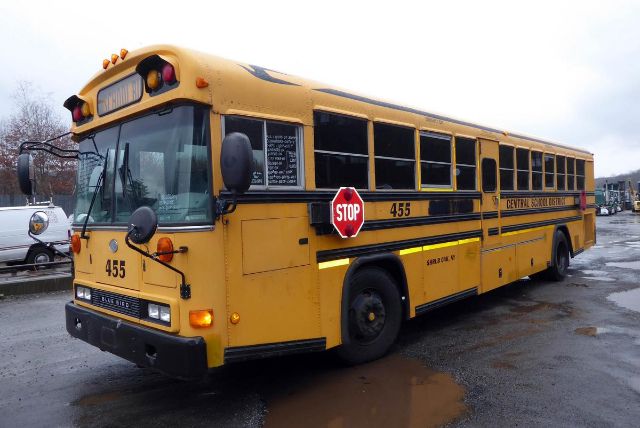
Have bluebird bus truck to sell? List it here to reach thousands of buyers.
About Bluebird Bus Trucks in New York
A buyer should start with configuration. Transit-style Blue Bird buses like the All American place the driver forward and maximize passenger room, while conventional models offer a more familiar hooded layout and easier front-end engine access. Common specs include Caterpillar, Cummins, or other medium-duty diesel engines, Allison automatic transmissions, hydraulic or air brakes, spring or air-ride suspension, and GVWRs that support school-route passenger loads. Wheelbase, overall length, seating count, axle ratings, and rear gear ratio all affect how the bus performs in tight urban routes, suburban runs, or secondary-road service.
Condition and intended use should drive the decision more than age alone. A retired school bus may have relatively low miles but very high idle time, frequent door cycles, and years of cold-weather starts. Check floor structure, stepwell corrosion, body mounts, frame rails, electrical systems, warning light removal status, tire date codes, and heater and defroster operation. If the bus will stay in passenger service, confirm emergency exits, seat condition, brake performance, and compliance items. If it is being repurposed for a mobile business, RV conversion, or support vehicle, pay close attention to roof height, interior length, underfloor storage potential, and the cost of removing seats and school-bus-specific equipment.
Powertrain matching is especially important on older Blue Bird units. A bus with an Allison automatic and a medium-duty diesel can be a solid fit for local work, but rear ratio, horsepower, and top-speed limitations should be reviewed closely before highway use. Buyers comparing listings should look beyond engine make and focus on maintenance records, cooling system health, suspension wear, steering play, and any active electrical faults. A well-kept Blue Bird bus can still offer long service life, but the best value usually comes from a unit with a clean structure, documented maintenance, and specs that match the route or conversion plan.
Frequently Asked Questions
What are the most important things to inspect on a used Blue Bird bus?
The most important inspection points are frame and floor corrosion, stepwell condition, brake system health, steering and suspension wear, and the condition of the electrical system. On New York buses, rust underneath can be more significant than odometer reading. Buyers should also verify heater and defroster performance, tire age, transmission operation, cooling system condition, and whether warning lights or stop-arm equipment have been properly decommissioned if the bus is no longer in school service.
What is the difference between a Blue Bird All American and a conventional Blue Bird bus?
The Blue Bird All American is a transit-style bus with a flat front design that maximizes interior space and passenger capacity. A conventional Blue Bird bus has a hooded front end and a more traditional truck-like driving position. Transit-style buses are common in larger-capacity applications, while conventional buses are often preferred for easier engine access and familiarity in mixed fleets. The right choice depends on route type, service requirements, and maintenance preferences.
Are Blue Bird buses good candidates for conversion projects?
Blue Bird buses are often chosen for RV, mobile office, outreach, and specialty conversion builds because of their strong body structure and wide availability. Buyers should evaluate interior dimensions, roof height, window layout, wheelbase, and drivetrain suitability before buying. A lower-cost bus can become expensive if it has hidden rust, electrical issues, or a powertrain geared only for low-speed route work. Conversion buyers should also check title rules, seat removal requirements, and any state registration implications.
What engine and transmission combinations are common in Blue Bird buses?
Used Blue Bird buses commonly appear with medium-duty diesel engines from manufacturers such as Caterpillar or Cummins paired with Allison automatic transmissions. The exact combination varies by year, model, and original fleet specification. Buyers should not judge the bus by engine brand alone. Horsepower rating, rear axle ratio, cooling system condition, and transmission service history all affect drivability, durability, and highway performance.
How much does passenger capacity matter when comparing Blue Bird bus listings?
Passenger capacity affects more than seating count. It usually relates to overall body length, wheelbase, axle ratings, brake setup, and the bus's intended route type. A larger bus may be efficient for high-capacity shuttle or school work but less practical in tight urban areas or for private conversion use. Buyers should compare legal seating, adult versus child capacity, GVWR, and maneuverability to make sure the bus fits the actual job.