
New Boom Trucks For Sale
Compare new boom trucks with optimized chassis, hydraulic systems, and load charts for safe lifting, reach, payload, corrosion resistance and uptime.
Learn more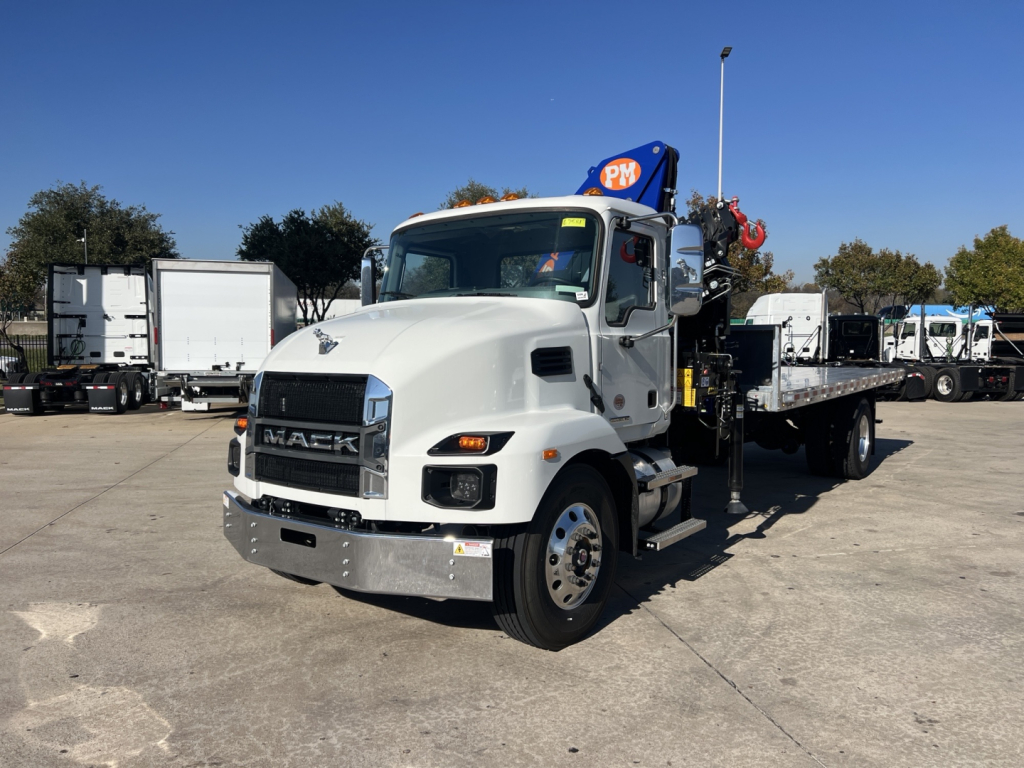
Have new boom truck to sell? List it here to reach thousands of buyers.
About New Boom Trucks
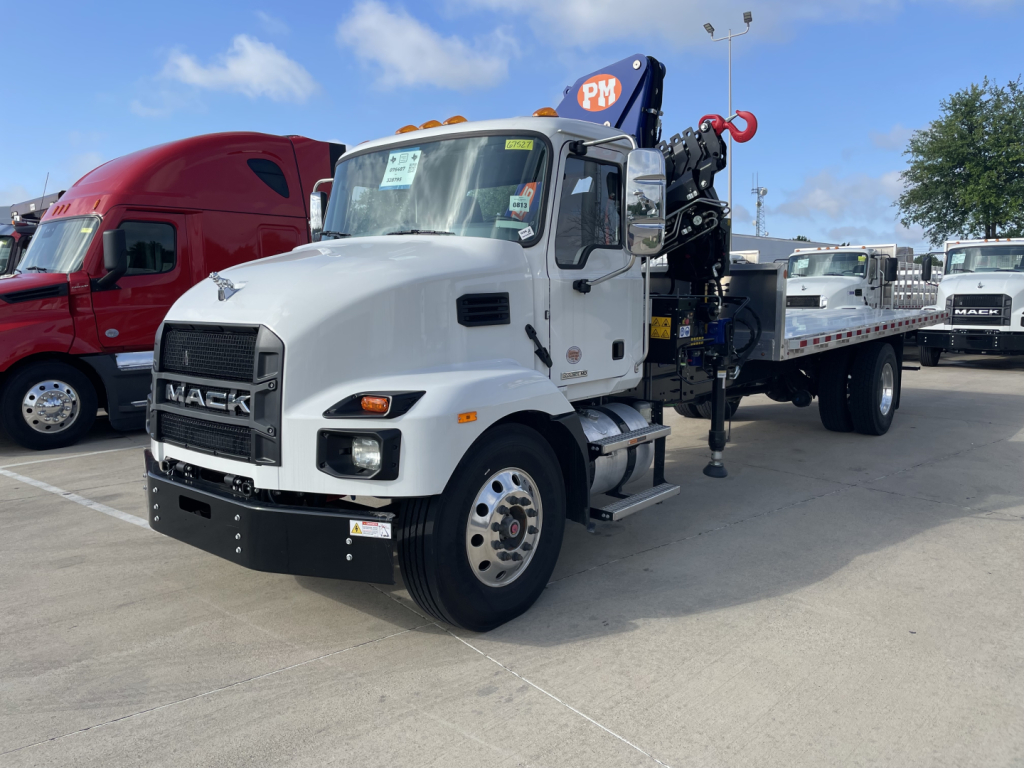
Bed and subframe integrity drive safe lifting and efficient hauling between jobs. Floor strength is defined by deck material and substructure, common work truck builds use 3/16 to 1/4 inch steel tread plate or heavy composite planks over crossmembers on 12 inch centers, with rub rails and D rings rated to the cargo. A continuous crane subframe distributes load into the chassis, torsion box designs reduce frame twist and help the LMI stay accurate. Outrigger beams and pads should be sized for the published chart, short rigging capability is useful in tight alleys but reduces capacity, so confirm the derate. Toolboxes, headache racks, cribbing storage, and integrated tie downs add utility without compromising deck stiffness when properly mounted.
Tare weight drives payload, turning a good spec into a great one when balanced with axle ratings and bridge compliance. Bigger booms, front bumper stabilizers, longer jibs, and steel bodies add mass, which can push steer and drive axles toward their limits. Right sizing the chassis class, 4x2 versus 6x4, adding a liftable pusher or tag on heavier builds, and setting wheelbase and CA to keep the center of gravity inside the outrigger box protects both payload and handling. Verify empty and working front axle loads with the stabilizer deployed over front and at 90 degrees, and confirm transport height, overall length, and state weight allowances. Aluminum wheels, composite outrigger pads, and optimized body options cut tare while preserving structural integrity.
Corrosion resistance and thermal integrity protect resale value and uptime. Coastal and winter fleets benefit from hot dip galvanized crane subframes, e coated or zinc rich primed booms, sealed electrical connectors, stainless hardware, and chassis undercoating, aluminum bodies save weight and resist rust but require proper isolation from steel. Hydraulic systems should be engineered for heat control, size the PTO and pump for required GPM at working RPM, include a high efficiency return filter, adequate tank volume, and a fan cooled oil cooler with thermostatic bypass. Cold weather kits with tank heaters and low temperature fluid maintain response in subfreezing conditions, high ambient packages keep oil temperature in range during continuous duty at high pressure. Centralized auto lube, sealed boom wear pads, and protected hose routings reduce maintenance and extend service life.
Frequently Asked Questions
What is the difference between a telescopic boom truck and a knuckleboom truck?
A telescopic boom truck, often called a stiff boom, uses straight boom sections for long reach and precise picks, it is ideal for setting HVAC units, trusses, or signage. A knuckleboom, or articulating crane, folds compactly on the deck and offers fast cycling and the ability to reach around obstacles or work close to the truck with excellent control. Telescopics usually provide higher tip heights for a given chassis, knucklebooms often deliver superior load handling near the truck and quicker loading of materials. The best choice depends on your typical load weights, radius, and site constraints.
How should I evaluate floor strength on a boom truck body?
Start with deck material and thickness, 3/16 to 1/4 inch steel tread plate or heavy composite planks are common for crane bodies. Check crossmember spacing, 12 inch on center or closer increases stiffness, and verify the crane subframe ties into frame rails with continuous welds or bolted connections per the crane maker’s guidelines. Tie down hardware must have published working load limits that exceed your cargo needs, and storage for cribbing and rigging should not cut into structural members. A rigid bed and subframe maintain load chart accuracy and reduce flex that can trip the LMI.
How does tare weight affect payload and permitting on a boom truck?
Every pound added to the crane, body, and accessories reduces legal payload, and it shifts axle loads that can trigger overweight on steer or drives. Balancing crane size with chassis class, wheelbase, CA, and axle group ratings preserves payload while meeting bridge and state laws. Options like aluminum bodies, aluminum wheels, and optimized storage can trim tare, while liftable pushers or tags can legally carry more without compromising maneuverability. Always scale a proposed spec in transport trim with full fuel, rigging, and driver to confirm compliance before committing.
What chassis specs matter most for pairing with a crane truck?
Frame RBM and section modulus must meet or exceed the crane maker’s minimums, often with a full length insert or continuous subframe under the crane. Wheelbase and CA should position the crane and bed so axle loads balance in transport and during picks, front stabilizers may require front frame extensions and reinforced bumpers. Axle ratings, suspension capacity, and brake packages must match the intended GVWR and duty cycle. PTO provision with adequate torque capacity and the right rear or side mount location simplifies a clean hydraulic installation.
How is hydraulic thermal integrity maintained on high duty cycle boom trucks?
Spec the PTO and pump for the target GPM and pressure at working RPM, overspeeding a small pump creates heat and shortens life. Use a properly sized reservoir, efficient return filtration, and a thermostatically controlled oil cooler with electric fan to keep oil in range. Synthetic or premium hydraulic fluids improve viscosity stability in heat and cold, cold weather kits with tank heaters improve response at startup. Monitor duty cycle, continuous winching or rapid cycling at high pressure generates heat, so match the cooler to the real workload and ambient conditions.