
New Mack Boom Trucks For Sale
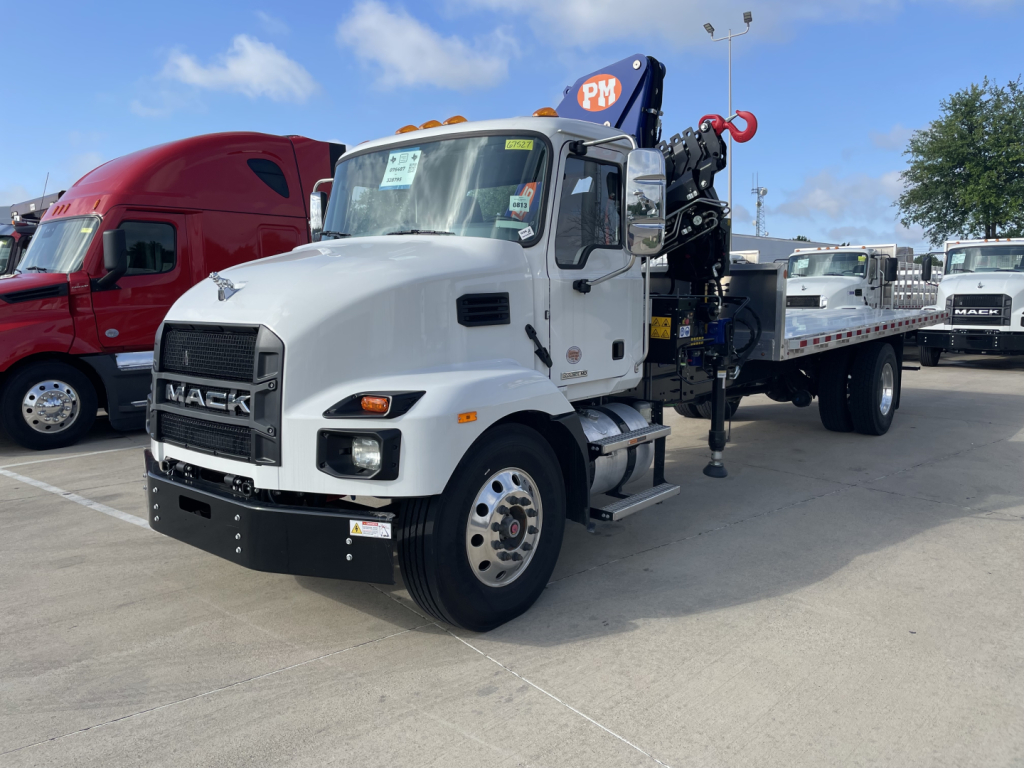
New Mack boom trucks built on vocational chassis, with focus on deck strength, hydraulics, payload, and corrosion protection for crane work.
Learn more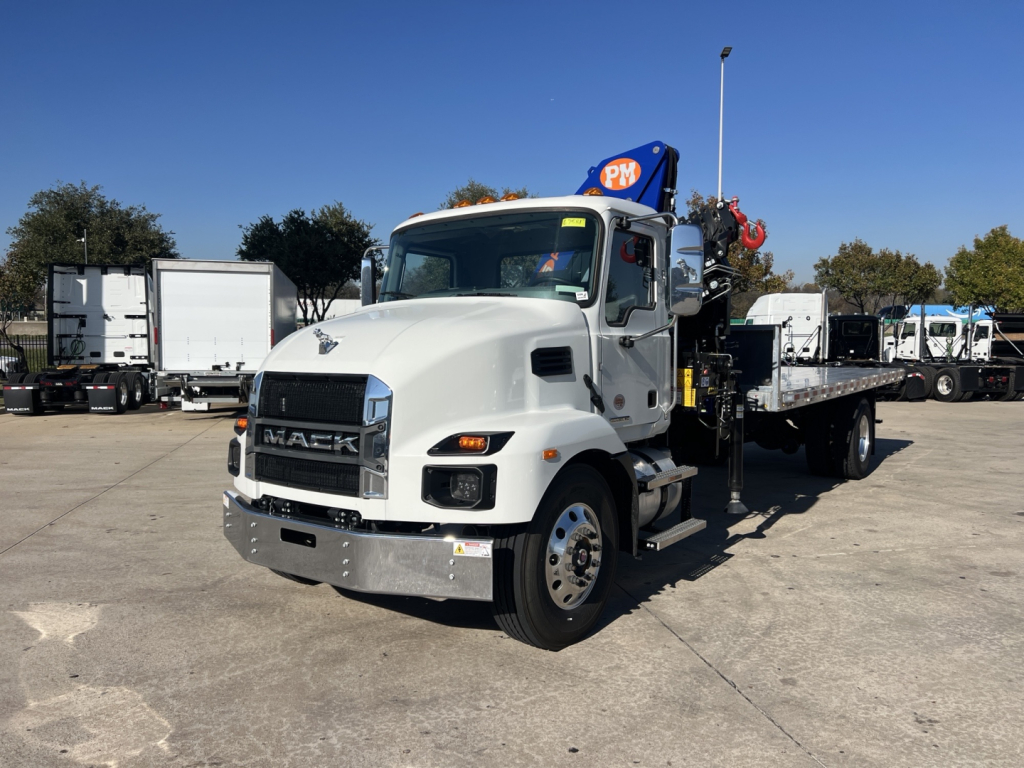
Have new mack boom truck to sell? List it here to reach thousands of buyers.
About New Mack Boom Trucks
Deck and subframe construction drive floor strength and durability. Steel beds with 3/16 to 1/4 inch tread plate and close crossmember spacing carry point loads from steel, precast, and equipment without oil canning, while a properly engineered crane subframe isolates the truck frame from torsional stress. Outrigger spreads, cribbing interfaces, and tie down placements should match your typical loads, look for full length outrigger boxes tied into the subframe, reinforced bed sections near the pedestal, and stake pockets or chain slots that are rated for real world use. A longer wheelbase can aid stability with larger booms, but turning radius and bridge compliance must be part of the spec.
Thermal integrity matters in crane duty, since hydraulic systems create heat under high cycle work. Look for correctly sized hydraulic oil coolers, return filtration with high beta ratings, and thermostatic fan controls to keep fluid in the sweet spot across seasons. Cold weather packages with arctic rated hydraulic oil, tank heaters, and remote PTO warm up logic reduce sluggish operation on start up, while engine cooling capacity, charge air management, and aftertreatment placement should be verified for low speed, high load jobsite conditions. PTO selection, hot shift or clutch pump, and proper shaft alignment protect the driveline and keep pressures stable under continuous load.
Tare weight directly affects payload and legal capacity, so component choices matter. Aluminum or hybrid beds can trim weight compared to all steel, high strength steel subframes can cut mass without giving up stiffness, and lift axles with aluminum hubs and wheels save hundreds of pounds while helping axle groups scale correctly. Corrosion resistance protects long term value, prioritize e coated cabs, powder coated or galvanized beds and outriggers, sealed harnesses with Deutsch connectors, stainless or zinc nickel plated hardware, and underbody coatings in high salt regions. Spec the right suspension, Camelback or heavy duty air ride, for your terrain and lift profile, and review load charts, LMI, anti two block, and radio remote packages from the crane builder to ensure the truck and crane operate as one system.
Frequently Asked Questions
What chassis and axle configurations are typical on new Mack boom trucks?
Most buyers spec a vocational Mack chassis such as the Granite with 20K to 23K front axles and 40K to 46K rear tandems. Larger cranes often require a longer wheelbase and one or two lift axles to distribute weight, maintain stability, and stay within bridge and axle group limits. Frame options include single or double rails with high RBM ratings, paired with heavy duty crossmembers to support the crane pedestal and subframe.
How do I evaluate deck or floor strength for my loads and cribbing?
Consider deck plate thickness, crossmember spacing, and reinforcement near the crane base. A 3/16 to 1/4 inch steel tread plate over closely spaced crossmembers resists localized deflection from concentrated loads such as steel bundles or precast. The crane subframe should carry torsional loads and tie into outrigger boxes, keeping truck frame twist within limits. Verify tie down ratings and stake pocket construction match your cargo and rigging methods.
What factors most influence tare weight and usable payload on a boom truck?
Crane size and configuration set the baseline, then bed material, subframe design, outrigger style, wheelbase, and lift axles add or remove pounds. Choosing high strength steel for the subframe, aluminum hubs and wheels, and lighter bed constructions can recover significant payload. Proper axle selection and placement allow you to use that payload legally by keeping steer, drive, and auxiliary axles within ratings.
How is thermal integrity managed in crane duty cycles with frequent lifts?
Hydraulic oil temperature is controlled with adequately sized coolers, thermostatic fan controls, and clean return filtration. In hot weather, cooler capacity and airflow around the tank and valves prevent fade and seal damage. In cold weather, arctic rated oil, tank heaters, and PTO warm up strategies keep response consistent. Engine cooling and aftertreatment also need attention, since low road speed and high PTO load can tax heat rejection without proper spec.
What corrosion protection measures extend the service life of a boom truck?
Look for e coated or galvanized components, powder coated beds and outrigger structures, sealed electrical connectors, and underbody coatings. Stainless or zinc nickel plated fasteners and hydraulic tube coatings help in salt and coastal environments. Routine washdown access, well placed drain paths, and protected harness routing reduce traps for brine and debris, which preserves paint and hardware over the long term.