
Ford Auto Carrier Trucks For Sale in Virginia
Browse Ford auto carrier trucks for sale in Virginia. Compare payload, deck setup, GVWR, cab style, and hauling suitability by application.
Learn more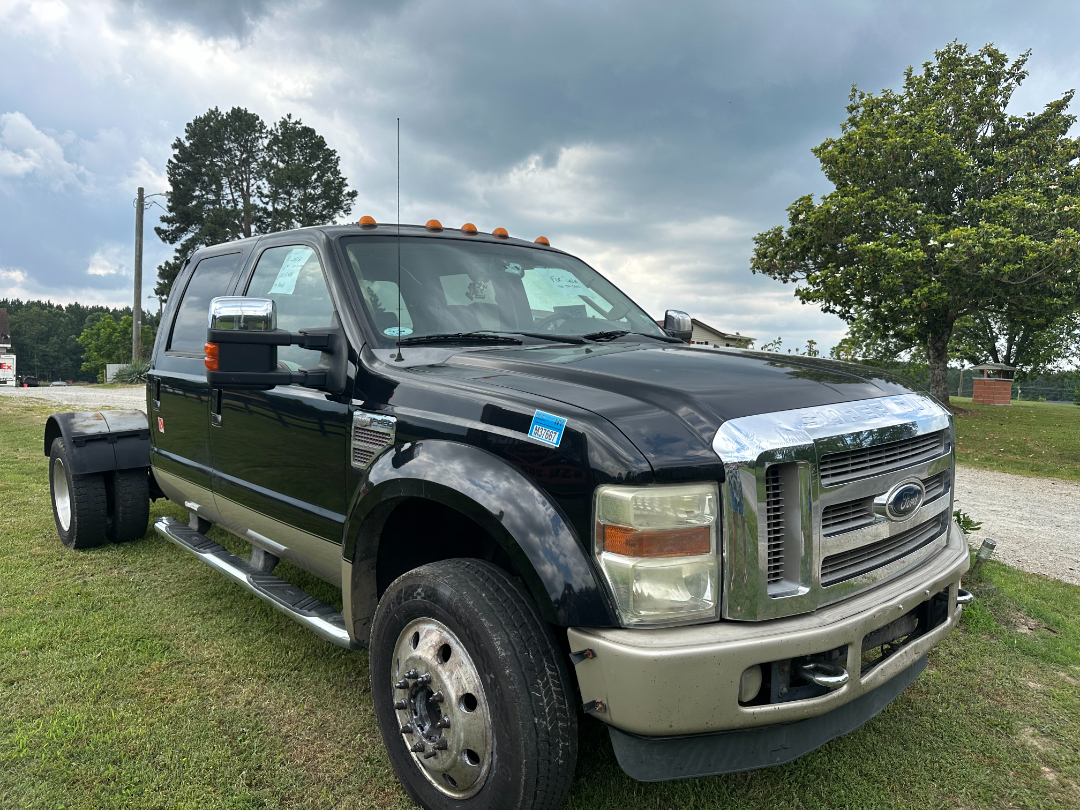
Have ford auto carrier truck to sell? List it here to reach thousands of buyers.
About Ford Auto Carrier Trucks in Virginia
Ford auto carriers are valued for parts availability, familiar service networks, and straightforward drivability compared with larger medium-duty transport equipment. Common configurations include regular cab, SuperCab, and crew cab layouts, paired with gas or diesel power depending on model year and intended duty cycle. Important equipment details include the carrier body manufacturer, deck material, winch capacity, tie-down system, wheel-lift setup if equipped, and hydraulic operation. On a used Ford auto carrier, buyers should pay attention to bed wear, cylinder leaks, cable condition, PTO or electric-over-hydraulic performance, frame integrity, and any signs of repeated overload use.
For urban and suburban Virginia routes, overall length, turning radius, and loading clearance matter as much as engine specs. A low deck angle helps with sports cars and low-clearance vehicles, while adequate deck width and securement points are important for modern crossovers and half-ton pickups. If the truck will be used for dealership work, auction runs, or insurance recovery, look for predictable loading controls, solid ramp or rollback function, and suspension stability under changing loads. Tire condition, brake performance, and hitch or auxiliary towing equipment can also affect how useful the truck is day to day.
The best Ford auto carrier truck is the one matched to the vehicles you move most often, not just the highest-rated chassis on paper. Check axle ratings against real payload needs, confirm the bed length and deck capacity, and review hydraulic and electrical systems as carefully as the engine and transmission. A well-matched Ford auto carrier can serve as an efficient single-unit transporter, rollback truck, or light-duty vehicle hauler for contractors, dealers, towing operators, and independent transport businesses.
Frequently Asked Questions
What Ford models are most commonly used as auto carrier trucks?
Ford auto carrier trucks are most often built on F-450 and F-550 Super Duty chassis because those platforms offer the GVWR, axle capacity, and wheelbase options needed for rollback and light vehicle transport bodies. The exact fit depends on deck length, intended payload, and whether the truck will primarily move compact cars, full-size pickups, or mixed loads. Buyers should verify the final upfit specifications rather than relying on the cab and chassis badge alone.
What should I check first on a used Ford auto carrier truck?
Start with the carrier body and hydraulic system because that is where expensive operational issues often show up first. Inspect the deck for structural damage, look for leaking cylinders or hoses, test the winch and controls, and review the condition of tie-down points, bed surface, and wheel-lift equipment if present. After that, confirm the chassis GVWR, rear axle rating, brake condition, tire wear, and any signs that the truck has regularly carried more weight than it was designed to handle.
Is a Ford F-450 enough for vehicle transport work?
A Ford F-450 can be enough for many single-vehicle transport applications, especially dealer trades, repossessions, local auction moves, and service-related hauling. The limitation is payload and body configuration, so capacity depends on the installed carrier bed and the size of the vehicles being moved. If the workload regularly includes heavier SUVs, lifted trucks, or commercial vehicles, many buyers step up to an F-550 or another higher-capacity platform.
What matters most when comparing auto carrier deck setups?
Deck length, loading angle, deck width, winch capacity, and securement layout usually matter more than appearance. A low approach angle helps prevent damage when loading low-clearance vehicles, and a properly sized deck improves weight distribution and legal compliance. Buyers should also compare steel versus aluminum construction, rollback speed, control placement, and the availability of wheel-lift or recovery features based on the intended application.
Are Ford auto carrier trucks a good fit for Virginia operations?
Ford auto carrier trucks can be a good fit for Virginia because they are well suited to mixed-use routes that include urban traffic, suburban dealer work, and moderate regional travel. Maneuverability is important in tighter metro areas, while stable highway manners matter for longer runs across the state. Buyers should consider bridge and road conditions, route density, and the types of vehicles most commonly hauled when choosing wheelbase, deck length, and chassis rating.