
Used Asphalt - Hot Oil Trucks For Sale
Used asphalt hot oil trucks with insulated tanks, high BTU heaters, strong decks, and corrosion protection for efficient plant heat up and transfer.
Learn more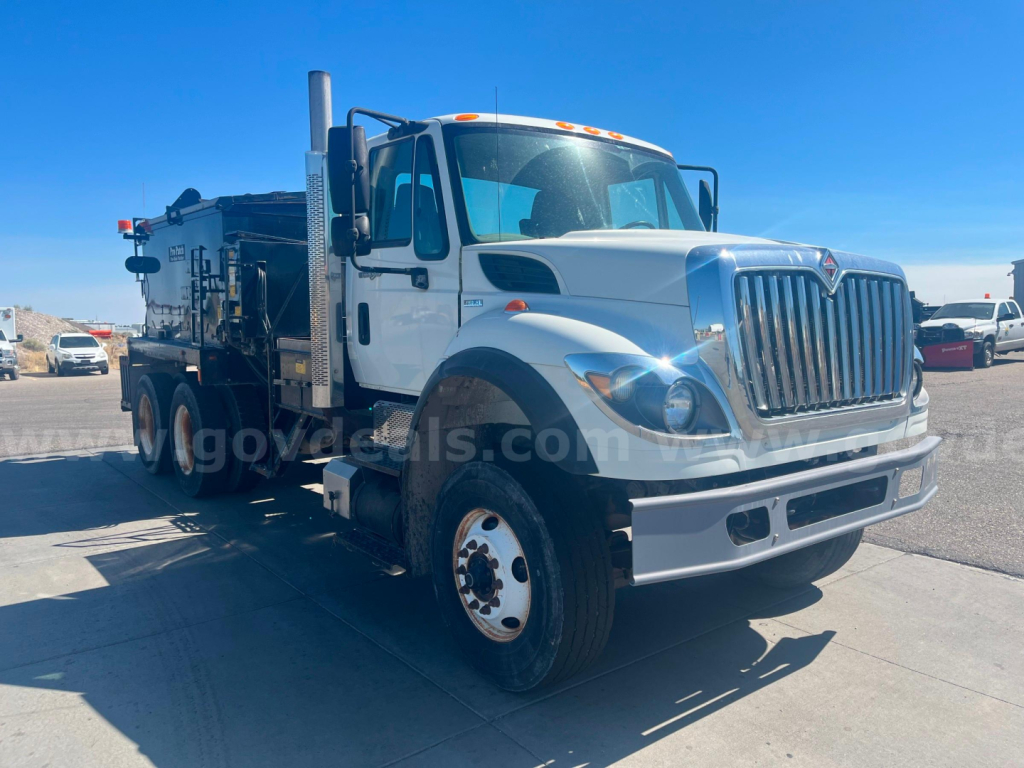

Have used asphalt - hot oil truck to sell? List it here to reach thousands of buyers.
About Used Asphalt - Hot Oil Trucks
Hot oil trucks in asphalt service carry heat transfer oil and a fired heater to bring asphalt cement tanks, lines, and trailers up to working temperature. Thermal integrity governs productivity and fuel burn, so target thick, uniform insulation with tight seams, stainless or aluminum cladding that sheds weather, and minimal thermal bridges at saddles and manways. Proper burner sizing in BTU per hour and generous coil surface area shorten heat up times, while dependable flame safeguard, accurate thermostats, and steady circulation prevent coking and hot spots.
Tank and subframe design drive durability, stability, and floor strength. A stout subframe that spreads load into the chassis rails reduces twist and cracking, internal baffles control surge, and saddles must protect shell thickness at wear points. The rear work platform and deck floor should be heavy plate with non slip surface and proper supports, rated to carry hose reels, pumps, totes, and crew without deflection. Match GVWR, axles, suspension, and wheelbase to tank capacity and accessories. Tare weight affects legal payload and maneuverability, so aluminum deck plating, alloy toolboxes, and stainless cladding help trim weight without sacrificing service life.
Heating and fluid handling packages vary. Diesel or LPG fired burners pair with PTO driven or hydraulic circulation pumps, and controls range from analog gauges to PLC touchscreens with recipe temperatures and data logging. A dedicated hot oil circulation pump, high temperature valves, strainers, insulated hoses with dry break couplers, and heat tracing on product lines speed setup and reduce spill risk. Guarded exhaust stacks with spark arrestors, over temperature and low flow shutdowns, remote E stop, thermowells at supply and return, and accurate flow meters improve safety and verification of performance.
On used units, inspect for thermal integrity and corrosion resistance first. Look for wet or crushed insulation, soot at the stack, burner cycle instability, and hot spots on the shell that indicate heat loss. Pressure test heating coils, check pump end wear and seals, verify thermostat and flame safeguard operation, and review burner hours. Examine deck plate and platform for rust or flex, subframe and crossmembers for cracks, piping and valve bodies for scale or pitting, and underbody for road salt damage. High temperature coatings, stainless jackets, galvanized brackets, sealed harnesses, and aluminum components extend life in plant yards and winter roads, and an accurate tare weight on the door tag helps confirm the payload you can legally carry with fuel, crew, and tools aboard.
Tank and subframe design drive durability, stability, and floor strength. A stout subframe that spreads load into the chassis rails reduces twist and cracking, internal baffles control surge, and saddles must protect shell thickness at wear points. The rear work platform and deck floor should be heavy plate with non slip surface and proper supports, rated to carry hose reels, pumps, totes, and crew without deflection. Match GVWR, axles, suspension, and wheelbase to tank capacity and accessories. Tare weight affects legal payload and maneuverability, so aluminum deck plating, alloy toolboxes, and stainless cladding help trim weight without sacrificing service life.
Heating and fluid handling packages vary. Diesel or LPG fired burners pair with PTO driven or hydraulic circulation pumps, and controls range from analog gauges to PLC touchscreens with recipe temperatures and data logging. A dedicated hot oil circulation pump, high temperature valves, strainers, insulated hoses with dry break couplers, and heat tracing on product lines speed setup and reduce spill risk. Guarded exhaust stacks with spark arrestors, over temperature and low flow shutdowns, remote E stop, thermowells at supply and return, and accurate flow meters improve safety and verification of performance.
On used units, inspect for thermal integrity and corrosion resistance first. Look for wet or crushed insulation, soot at the stack, burner cycle instability, and hot spots on the shell that indicate heat loss. Pressure test heating coils, check pump end wear and seals, verify thermostat and flame safeguard operation, and review burner hours. Examine deck plate and platform for rust or flex, subframe and crossmembers for cracks, piping and valve bodies for scale or pitting, and underbody for road salt damage. High temperature coatings, stainless jackets, galvanized brackets, sealed harnesses, and aluminum components extend life in plant yards and winter roads, and an accurate tare weight on the door tag helps confirm the payload you can legally carry with fuel, crew, and tools aboard.